


HanuiT Solutions

Increasing Your ROI- HanuiT solutions

The Ultimate Guide to Increasing Your ROI

Maximizing Your Return on Investment: The Ultimate Guide to Increasing Your ROI

In a world where every dollar counts, maximizing your return on investment (ROI) is essential for achieving long-term success and profitability. Whether you’re investing in marketing campaigns, new technologies, or business strategies, understanding how to Increasing Your ROI can significantly impact your financial outcomes. This comprehensive guide will provide you with actionable strategies to effectively boost your ROI and ensure that your investments are yielding the best possible results.

What is ROI and Why is It Crucial?

ROI, or Return on Investment, is a key performance metric used to measure the profitability of an investment. It is calculated by dividing the net profit from the investment by the initial cost and multiplying by 100 to get a percentage. The formula is:
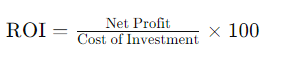
Increasing Your ROI

A higher ROI indicates a more profitable investment. Understanding and improving ROI is crucial because it helps businesses evaluate the efficiency of their investments, make informed decisions, and optimize financial performance.

Strategies for Increasing Your ROI

1. Define Clear Objectives and Key Performance Indicators (KPIs)

Setting clear objectives and KPIs is the foundation for increasing ROI. Objectives should be specific and aligned with your business goals, while KPIs will help you measure progress and success. For instance, if your goal is to enhance marketing ROI, your KPIs could include metrics such as customer acquisition cost (CAC), customer lifetime value (CLV), and conversion rates.

Also read: ROI Optimization: Proven Techniques for Better Business

2. Optimize Marketing Strategies

Marketing often represents a significant investment. To enhance ROI, focus on strategies that provide the highest return. Use data-driven insights to:

Target the Right Audience: Utilize customer segmentation and targeting to reach those most likely to convert.

Refine Messaging: Tailor your messaging to resonate with your target audience and address their needs and pain points.

Choose Effective Channels: Invest in channels that deliver the best results based on your data analysis.

Implementing A/B testing can also help identify the most effective marketing approaches and optimize your campaigns accordingly.

3. Leverage Technology and Automation

Technology and automation can play a crucial role in increasing ROI by improving efficiency and reducing costs. Consider:

Automating Repetitive Tasks: Use automation tools to handle routine tasks, freeing up time for more strategic activities.

Utilizing Data Analytics: Invest in analytics tools to gain insights into performance and make data-driven decisions.

Integrating Advanced Software: Implement software solutions that streamline processes and enhance productivity.

4. Enhance Operational Efficiency

Improving operational efficiency can lead to significant cost savings and better ROI. Strategies include:

Streamlining Processes: Identify and eliminate bottlenecks to create more efficient workflows.

Investing in Training: Equip your team with the skills needed to perform their roles effectively.

Optimizing Resource Allocation: Ensure that resources are allocated where they will have the most impact.

5. Focus on Customer Retention

Retaining existing customers is often more cost-effective than acquiring new ones. To improve ROI through customer retention:

Personalize Customer Experiences: Tailor interactions and offers to individual customer preferences.

Implement Loyalty Programs: Reward repeat customers with incentives and exclusive offers.

Provide Exceptional Service: Ensure high levels of customer satisfaction through responsive support and quality service.

6. Regularly Evaluate and Adjust Investments

Continuously assess the performance of your investments to ensure they are delivering the expected returns. Regular evaluations involve:

Analyzing Performance Data: Use performance metrics and analytics to gauge the success of your investments.

Making Data-Driven Adjustments: Adjust strategies based on insights and feedback to improve outcomes.

Reallocating Resources: Shift resources to more effective investments if necessary.

7. Innovate and Improve Offerings

Investing in research and development can lead to enhanced products or services that offer greater value to customers. Strategies include:

Incorporating Customer Feedback: Use feedback to make improvements and align offerings with customer needs.

Staying Updated with Trends: Keep up with industry trends to remain competitive and relevant.

8. Build and Leverage Strategic Partnerships

Collaborating with other businesses or industry leaders can open new avenues for growth and profitability. To maximize ROI through partnerships:

Identify Aligned Partners: Choose partners whose goals and values align with yours.

Leverage Shared Resources: Take advantage of shared resources and expertise to enhance your capabilities.

FAQ

What does ROI stand for and why is it important?

ROI stands for Return on Investment. It is a metric used to assess the profitability of an investment by comparing net profit to the initial cost. It is important because it helps businesses evaluate the effectiveness of their investments and make informed decisions to optimize financial performance.

How can I set clear objectives and KPIs for Increasing Your ROI?

Define objectives that are specific, measurable, achievable, relevant, and time-bound (SMART). Establish KPIs that align with these objectives to measure progress and success. For example, if your objective is to improve marketing ROI, KPIs might include customer acquisition cost, customer lifetime value, and conversion rates.

What are some effective ways to optimize marketing strategies for better ROI?

Focus on targeting the right audience, refining your messaging, and selecting effective marketing channels. Use data-driven insights and A/B testing to identify the most successful approaches and continuously optimize your campaigns for better results.

How can technology and automation contribute to Increasing Your ROI?

Technology and automation can enhance ROI by improving efficiency, reducing costs, and providing valuable insights. Automate repetitive tasks, use data analytics for decision-making, and implement advanced software to streamline processes and boost productivity.

Why is customer retention important for Increasing Your ROI?

Retaining existing customers is often more cost-effective than acquiring new ones. By focusing on customer retention through personalized experiences, loyalty programs, and exceptional service, you can increase customer lifetime value and reduce acquisition costs, leading to improved ROI.

Conclusion

Increasing your return on investment (ROI) is crucial for achieving business success and ensuring that every dollar spent contributes to your bottom line. By implementing the strategies outlined in this guide, you can maximize the profitability of your investments and enhance overall financial performance. Key takeaways for boosting ROI include setting clear objectives and performance metrics, optimizing marketing efforts, leveraging technology and automation, improving operational efficiency, and focusing on delivering exceptional customer experiences. Regularly monitoring and adjusting your strategies based on data-driven insights will help you stay on track and adapt to changing market conditions.

if you need any help with your ROI ? then contact us 
Product Sales Rate- HanuiT solutions

The Ultimate Guide to Boosting Your Product Sales Rate

The Ultimate Guide to Boosting Your Product Sales Conversion Rate

Achieving a high product sales rate is a top priority for businesses aiming to drive revenue and sustain growth. Your product sales rate, the metric indicating how efficiently your products are sold, is directly influenced by your sales conversion rate—the percentage of leads who ultimately make a purchase. Enhancing this rate is critical for turning potential into profit and improving overall sales performance. This guide offers a deep dive into strategies and techniques specifically designed to boost your product sales conversion rate, helping you optimize your sales process and achieve better results.

The Ultimate Guide to Boosting Your Product Sales Conversion Rate focuses on elevating your product sales rate by enhancing the efficiency of your sales conversions. This guide provides actionable insights and practical methods to increase the percentage of prospects who turn into paying customers.

Understanding Product Sales Rate

Product Sales Rate refers to the speed at which your products are sold over a specific period. Improving this rate involves increasing sales volume and optimizing various aspects of your sales and marketing strategies to ensure sustained growth.

1. Optimize Your Pricing Strategy

Your pricing strategy can significantly impact your product sales rate. Consider these approaches:

Competitive Pricing: Analyze your competitors’ pricing and adjust yours to be attractive while maintaining profitability.

Value-Based Pricing: Set prices based on the perceived value of your product to the customer rather than just production costs.

Dynamic Pricing: Use algorithms to adjust prices based on market demand, competition, and other factors.

2. Enhance Product Visibility

Increasing the visibility of your product is crucial for boosting sales. Here’s how you can do it:

SEO and Content Marketing: Optimize your website and product listings with relevant keywords to improve search engine rankings.

Social Media Marketing: Use platforms like Instagram, Facebook, and LinkedIn to reach and engage with your target audience.

Influencer Collaborations: Partner with influencers who can promote your product to their followers.

3. Improve Your Sales Funnel

A well-optimized sales funnel helps guide potential customers from awareness to purchase. Focus on:

Lead Generation: Use effective lead magnets and calls to action to attract potential customers.

Lead Nurturing: Implement email marketing campaigns to nurture leads and move them through the sales funnel.

Conversion Optimization: Analyze and improve your landing pages and checkout processes to minimize cart abandonment.

4. Leverage Customer Feedback

Customer feedback can provide valuable insights into how you can improve your product and sales strategies:

Surveys and Reviews: Collect feedback through surveys and online reviews to understand customer preferences and pain points.

Product Iteration: Use feedback to make necessary adjustments to your product, enhancing its appeal and functionality.

5. Invest in Customer Retention

Retaining existing customers is often more cost-effective than acquiring new ones. Strategies include:

Loyalty Programs: Implement programs that reward repeat purchases and encourage brand loyalty.

Personalized Marketing: Use customer data to create customized offers and communications that resonate with individual preferences.

Exceptional Customer Service: Ensure that your customer service is top-notch to address issues promptly and maintain customer satisfaction.

6. Analyze and Adjust

Regularly review your sales data and performance metrics to identify trends and areas for improvement:

Sales Analytics: Track key metrics such as conversion rates, average order value, and customer acquisition costs.

A/B Testing: Test different sales and marketing strategies to determine what works best for your audience.

Continuous Improvement: Use insights gained from analysis to make ongoing adjustments and optimize your sales approach.

What is a Sales Conversion Rate?

Sales Conversion Rate is a key performance metric that measures the effectiveness of your sales and marketing efforts in turning potential leads or prospects into actual customers. It is expressed as a percentage and is calculated by dividing the number of successful sales by the total number of leads or prospects, then multiplying by 100.

 Also read: Maximizing Product Sales: Enhance Conversion Rate Strategies

Formula:

Product Sales Rate

Example:

If you had 200 leads in a given period and 40 of those converted into sales, your sales conversion rate would be:

Product Sales Rate

Importance of Sales Conversion Rate

1. Effectiveness Indicator: It reflects how well your sales and marketing strategies are working. A high conversion rate indicates that your tactics are effective in persuading leads to make a purchase.

2. Performance Benchmarking: It helps in setting benchmarks and goals for sales performance. By analyzing conversion rates, you can identify areas for improvement and measure the impact of changes in strategy.

3. Resource Allocation: Understanding your conversion rate helps in optimizing resource allocation. It allows you to focus on strategies and channels that yield the best results, improving overall efficiency and ROI.

4. Customer Insights: A good conversion rate often indicates that your messaging, offers, and customer targeting are aligned with what your prospects are looking for. It provides insights into customer preferences and behaviors.

 Also read: 5 Key Strategies to Turn Browsers into Buyers

Improving Sales Conversion Rate

To improve your sales conversion rate, consider the following strategies:

Refine Your Sales Funnel: Optimize each stage of your sales funnel to reduce friction and make it easier for prospects to convert.

Enhance Lead Qualification: Implement better lead qualification processes to ensure you’re targeting prospects who are more likely to convert.

Personalize Your Approach: Use personalized messaging and offers based on customer data to increase engagement and conversion likelihood.

Optimize Your Sales Pitch: Train your sales team to deliver compelling and persuasive pitches that address potential objections and highlight the benefits of your product or service.

FAQ

What is the product sales rate?

The product sales rate is the speed at which products are sold over a specific period. It reflects how quickly your inventory is moving and can be influenced by various sales and marketing factors.

 How can I determine the optimal price for my product?

Analyze your competitors’ prices, understand your product’s value to customers, and consider using dynamic pricing strategies to set an optimal price that balances competitiveness with profitability.

What are some effective ways to improve my sales funnel?

Optimize your sales funnel by enhancing lead generation through targeted campaigns, nurturing leads with personalized follow-ups, and improving conversion rates through optimized landing pages and streamlined checkout processes.

How can customer feedback help increase my sales rate?

Customer feedback provides insights into what customers like or dislike about your product, allowing you to make improvements that can boost satisfaction and sales. Collect feedback through surveys, reviews, and direct interactions.

Why is customer retention important for boosting sales?

Retaining existing customers is often more cost-effective than acquiring new ones. Loyal customers are more likely to make repeat purchases and can also act as brand advocates, helping to increase overall sales.

Conclusion

Boosting your product sales rate is crucial for driving business growth and ensuring long-term success. By implementing the strategies outlined in this guide—such as optimizing your pricing, enhancing visibility, refining your sales funnel, leveraging customer feedback, and investing in retention—you can significantly improve how quickly and effectively your products are sold. Adopting a comprehensive approach and continuously analyzing your performance will help you stay competitive and achieve your sales goals. Apply these insights and watch as your product sales rate transforms, leading to increased profitability and a stronger market presence.

if you need any help with your product Sales Page? then contact us 
Website Lead Generation- HanuiT solutions

5 Proven Strategies to Improve Website Lead Generation

5 Proven Strategies to Improve Website Lead Generation

In the digital landscape, effective website lead generation is crucial for businesses seeking to grow their customer base and increase conversions. Whether you’re a startup or an established company, optimizing your website to attract and convert leads can significantly impact your success. In this article, we’ll explore five proven strategies to enhance your website’s lead-generation efforts and turn visitors into valuable prospects.

1. Optimize Your Landing Pages

Landing pages are pivotal for converting visitors into leads. To maximize their effectiveness, focus on the following aspects:

Compelling Headlines: Craft headlines that grab attention and communicate the value of your offer.

Clear Call-to-Actions (CTAs): Use prominent and persuasive CTAs to guide visitors toward taking the desired action.

Minimal Distractions: Keep the design clean and focused, removing any elements that might divert attention from the main goal.

2. Implement Lead Magnets

Lead magnets are incentives offered to potential leads in exchange for their contact information. Effective lead magnets include:

E-books and Whitepapers: Provide valuable, in-depth content relevant to your audience’s interests.

Free Trials or Demos: Allow prospects to experience your product or service before committing.

Exclusive Webinars: Host webinars on topics that address your audience’s pain points.

3. Use Effective Forms and Pop-ups

Forms and pop-ups are essential tools for capturing leads. To improve their performance:

Keep Forms Simple: Limit the number of fields to only essential information to reduce friction.

Timing and Triggers: Use exit-intent pop-ups or time-delayed pop-ups to engage visitors who are about to leave your site.

A/B Testing: Experiment with different form designs and pop-up strategies to find what works best.

4. Leverage Social Proof

Social proof can significantly boost credibility and encourage visitors to convert. Incorporate the following elements:

Testimonials and Reviews: Display positive feedback from satisfied customers to build trust.

Case Studies: Share detailed success stories that demonstrate the impact of your product or service.

Trust Badges: Use security badges and industry certifications to reassure visitors of your legitimacy.

5. Implement SEO Best Practices

Search engine optimization (SEO) plays a vital role in driving traffic to your website. For effective website lead generation, focus on:

Keyword Optimization: Use relevant keywords in your content to attract organic traffic.

High-Quality Content: Create informative and engaging content that addresses your audience’s needs and interests.

Mobile Optimization: Ensure your website is mobile-friendly to capture leads from users on various devices.

         Also read: How to Turn Your Website into a Lead Generation Machine

6. Email Marketing

Email marketing remains one of the most effective digital marketing strategies for building customer relationships, driving sales, and boosting brand loyalty. Despite the rise of various communication channels, email continues to offer a direct and personalized way to connect with your audience.

Building a Quality Email List: refers to the process of attracting and acquiring email addresses from individuals who are genuinely interested in receiving communications from your business. This involves using opt-in methods, such as subscription forms and lead magnets, to gather contact information, and segmenting the list to ensure that the content delivered is relevant and personalized to each recipient.

Crafting Compelling Email Content:  involves creating engaging, relevant, and persuasive messages that capture the recipient’s attention and drive them to take a desired action. This includes using personalized elements, a clear call-to-action, and an appealing design to ensure the email resonates with the audience and fulfills its purpose.

Optimizing Email Campaigns:  involves enhancing various aspects of email marketing efforts to improve performance and effectiveness. This includes refining email content, design, subject lines, timing, and frequency to increase open rates, click-through rates, and conversions. The goal is to maximize engagement and achieve better results from email campaigns.

Compliance and Best Practices:  refer to the adherence to legal regulations and ethical standards in email marketing, including respecting data protection laws (such as GDPR and CAN-SPAM), ensuring user privacy, providing clear opt-out options, and following industry guidelines to maintain trust and effectiveness in email campaigns.

Analyzing and Improving Performance: The process of evaluating key metrics and data from marketing campaigns or business activities to assess effectiveness and identify areas for enhancement. This involves measuring performance indicators, gathering feedback, and making informed adjustments to optimize results and achieve better outcomes.

The Importance of Effective Lead Generation

Effective lead generation is crucial because it helps businesses attract and identify potential customers, fostering new opportunities for sales and growth. It ensures a steady stream of qualified prospects, which can enhance marketing efficiency, increase revenue, and support long-term business success.

FAQ

What is website lead generation?

Website lead generation refers to the process of attracting and converting visitors to your website into potential customers or leads. It involves using various strategies and tools to capture contact information and nurture prospects through the sales funnel.

How can landing pages improve lead generation?

Landing pages are designed specifically to convert visitors into leads by focusing on a single offer or call-to-action. By optimizing headlines, and CTAs, and minimizing distractions, landing pages can effectively guide visitors toward taking the desired action.

What types of lead magnets are most effective?

Effective lead magnets include e-books, whitepapers, free trials, demos, and exclusive webinars. These incentives provide value to visitors in exchange for their contact information, helping to build your lead database.

How can I improve the performance of forms and pop-ups?

To enhance forms and pop-ups, keep forms simple, use strategic timing and triggers for pop-ups, and conduct A/B testing to determine the most effective designs and strategies for capturing leads.

Why is social proof important for lead generation?

Social proof builds trust and credibility with visitors by showcasing positive feedback, success stories, and trust badges. This can encourage visitors to engage with your site and convert into leads.

Conclusion

Enhancing your website lead generation involves a combination of strategic landing page design, effective lead magnets, optimized forms and pop-ups, leveraging social proof, and implementing SEO best practices. By applying these proven strategies, you can improve your lead generation efforts, attract more potential customers, and ultimately drive better business outcomes.

Money-Making Machine- HanuiT solutions

How to Turn Your Blog into a Money-Making Machine

How to Turn Your Blog into a Money-Making Machine

In the digital age, blogging has evolved from a hobby into a viable business opportunity. Many aspiring bloggers dream of transforming their passion into a lucrative endeavor, but achieving this requires more than just writing compelling content. To turn your blog into a money-making machine, you need a strategic approach that encompasses content creation, audience engagement, and effective monetization techniques. This guide will walk you through the essential steps to elevate your blog from a simple platform to a powerful income-generating asset.

Turning your blog into a money-making machine involves a multifaceted strategy that focuses on attracting a loyal audience and leveraging various revenue streams. The journey begins with selecting a profitable niche that aligns with both your interests and market demand. Once you’ve established your niche, creating high-quality, valuable content is crucial for attracting and retaining readers.

1. Choose a Profitable Niche

Selecting a niche that has high earning potential is crucial. Research and identify areas where there is demand, and ensure that you have expertise or a strong interest in that field. Popular niches with money-making potential include finance, technology, health, and lifestyle.

2. Create High-Quality Content

Content is king, and providing valuable, high-quality content is essential. Focus on creating in-depth articles, how-to guides, and engaging multimedia content. Quality content attracts more visitors and keeps them coming back, which can lead to increased monetization opportunities.

3. Implement SEO Best Practices

Search Engine Optimization (SEO) helps your blog rank higher in search engine results, driving more organic traffic to your site. Use relevant keywords, optimize your meta descriptions, and ensure your content is well-structured. For a blog to become a money-making machine, high traffic is a must.

4. Monetize Through Affiliate Marketing

Affiliate marketing involves promoting products or services and earning a commission on sales made through your referral links. Choose affiliate programs relevant to your niche and integrate them naturally into your content. Ensure that you only recommend products that you genuinely believe in to maintain trust with your audience.

Also read: The Ultimate Blueprint for Creating a High-Income Blog

5. Offer Digital Products or Services

Selling digital products such as eBooks, online courses, or exclusive content can be a lucrative way to monetize your blog. Additionally, offering services like consulting or coaching can generate income while leveraging your expertise.

6. Utilize Display Advertising

Display ads are a common monetization strategy. Platforms like Google AdSense allow you to earn money by placing ads on your blog. The more traffic your blog receives, the higher your potential earnings from ad impressions and clicks.

7. Build an Email List

Email marketing is a powerful tool for driving revenue. Build an email list by offering free resources or incentives to your readers. Use your email list to promote products, services, and exclusive content, which can lead to increased sales and conversions.

8. Engage in Sponsored Content

Sponsored content involves partnering with brands to create articles or posts that promote their products or services. Ensure that any sponsored content aligns with your blog’s niche and audience to maintain authenticity and engagement.

9. Analyze and Optimize

Regularly analyzing your blog’s performance is vital for identifying what works and what doesn’t. Use tools like Google Analytics to track traffic, user behavior, and conversion rates. Optimize your strategies based on this data to enhance your blog’s monetization potential.

10. Stay Consistent and Adapt

Consistency in content creation and adaptability to new trends and technologies are key to maintaining and growing your blog’s revenue. Keep up with industry changes and continuously refine your approach to ensure your blog remains a money-making machine.

FAQ

How long does it take to start making money from a blog?

The time it takes to start making money from a blog can vary widely. It depends on factors such as niche, content quality, traffic levels, and monetization strategies. Generally, it can take several months to a year to see substantial income.

 What are some effective ways to increase blog traffic?

Effective ways to increase blog traffic include implementing SEO best practices, promoting your blog on social media, engaging with your audience through comments and emails, and collaborating with other bloggers or influencers in your niche.

How can I find affiliate programs relevant to my blog’s niche?

You can find affiliate programs by researching companies and products within your niche, joining affiliate networks like ShareASale or CJ Affiliate, and looking for affiliate programs listed on product websites you frequently use or recommend.

 Is it necessary to have a large audience to make money from blogging?

While a larger audience can increase your potential earnings, it’s not the only factor. A smaller, highly engaged audience can also be lucrative if you implement effective monetization strategies and maintain strong engagement with your readers.

 Can I monetize my blog if I am a beginner?

Yes, beginners can monetize their blogs. Focus on creating quality content, learning and applying SEO techniques, and experimenting with different monetization strategies. As you gain experience and your blog grows, your monetization opportunities will expand.

Conclusion

Transforming your blog into a money-making machine is a journey that requires strategic planning, consistent effort, and adaptability. By selecting a profitable niche, creating high-quality content, and implementing effective SEO techniques, you lay the foundation for attracting and retaining a loyal audience. Leveraging monetization strategies such as affiliate marketing, selling digital products, and incorporating display advertising can significantly boost your blog’s revenue potential.

if you need any help with your Blog setup or monetizing? then contact us
ROI Optimization- HanuiT solutions

ROI Optimization: Proven Techniques for Better Business

ROI Optimization: Proven Techniques for Better Business Outcomes

Optimizing Return on Investment (ROI) is essential for achieving better business outcomes. ROI optimization involves enhancing the efficiency and effectiveness of investments to maximize profitability and growth. In this article, we’ll explore proven techniques to optimize ROI and drive better business outcomes, ensuring that every dollar spent contributes to overall success.

Achieving better business outcomes requires a strategic approach to ROI optimization. By leveraging proven techniques, businesses can improve profitability, streamline operations, and enhance overall performance. Understanding how to optimize ROI effectively can lead to more informed decision-making and a stronger competitive position.

1. Define Clear ROI Goals

To optimize ROI, start by defining clear and specific goals. Determine what better business outcomes look like for your organization—whether it’s increased revenue, reduced costs, improved market share, or enhanced customer satisfaction. Clear goals provide a framework for evaluating ROI and help align efforts toward achieving desired results.

2. Utilize Data Analytics

Data analytics play a crucial role in ROI optimization. By analyzing historical data and tracking key performance indicators (KPIs), you can identify trends, measure the effectiveness of investments, and make informed decisions. Data-driven insights help you understand what drives better business outcomes and where adjustments are needed.

3. Implement Effective Resource Allocation

Proper resource allocation is essential for optimizing ROI. Assess the performance of different departments, projects, or campaigns to determine where resources are most effectively utilized. Allocating resources to high-impact areas ensures that investments are directed toward activities that contribute significantly to better business outcomes.

 Also read: How to Boost Your ROI with Data-Driven Marketing

4. Embrace Technology and Innovation

Incorporate technology and innovative solutions to enhance operational efficiency and productivity. Advanced tools and software can provide valuable insights, automate processes, and streamline operations, all of which contribute to better business outcomes. Staying current with technological advancements ensures that your business remains competitive and agile.

5. Conduct Regular Performance Reviews

Regular performance reviews are vital for continuous ROI optimization. Monitor key metrics, evaluate the success of investments, and adjust strategies as needed. Consistent performance reviews allow you to respond to changes in the market, address potential issues, and implement improvements that drive better business outcomes.

6. Focus on Customer-Centric Strategies

A customer-centric approach is crucial for achieving better business outcomes. Invest in initiatives that enhance the customer experience, such as personalized marketing, responsive support, and user-friendly interfaces. Satisfied customers are more likely to generate repeat business and contribute to overall profitability.

7. Leverage A/B Testing

A/B testing allows you to compare different approaches and identify which yields better results. By experimenting with variations of marketing campaigns, product features, or other elements, you can determine what works best for achieving better business outcomes. This data-driven method helps refine strategies and optimize ROI.

8. Foster a Culture of Continuous Improvement

Encourage a culture of continuous improvement within your organization. Regularly review processes, seek feedback and implement changes that enhance efficiency and effectiveness. A commitment to ongoing improvement supports better business outcomes by ensuring that your strategies evolve with market demands.

9. Monitor and Adjust Strategies

Continuous monitoring and adjustment of strategies are essential for ROI optimization. Regularly review performance data, assess the success of investments, and make necessary adjustments. Staying adaptable ensures that your strategies remain effective and aligned with changing market conditions, supporting better business outcomes.

10. Optimize Resource Allocation

Efficient resource allocation is crucial for maximizing ROI. Assess the performance of different projects, departments, or initiatives to determine where resources can be most effectively used. Allocate resources to high-impact areas that drive better business outcomes and support overall strategic goals.

FAQ

What is ROI optimization?

ROI optimization involves enhancing the efficiency and effectiveness of investments to maximize profitability and improve overall business performance. It focuses on achieving the best possible return on investment through strategic planning and data-driven decision-making.

Why is defining clear ROI goals important?

Defining clear ROI goals provides a framework for evaluating investment success and aligning efforts toward achieving desired outcomes. It ensures that resources are directed towards activities that contribute significantly to business success.

How does data analytics contribute to better business outcomes?

Data analytics provide insights into historical performance and key metrics, helping businesses understand what drives success and where adjustments are needed. This information supports informed decision-making and optimizes ROI.

What role does technology play in ROI optimization?

Technology enhances operational efficiency and productivity by providing valuable insights, automating processes, and streamlining operations. Leveraging advanced tools and solutions contributes to achieving better business outcomes.

How can customer-centric strategies impact ROI?

Customer-centric strategies improve customer satisfaction and loyalty, leading to increased revenue and repeat business. Investing in initiatives that enhance the customer experience contributes to better business outcomes and higher ROI.

What is A/B testing, and how does it help with ROI optimization?

A/B testing involves comparing two versions of a variable to determine which performs better. By testing different approaches and measuring their impact, businesses can identify the most effective strategies for achieving better business outcomes and optimizing ROI.

Why is fostering a culture of continuous improvement important for ROI?

A culture of continuous improvement encourages regular review and enhancement of processes, leading to increased efficiency and effectiveness. This ongoing commitment supports better business outcomes and sustained ROI optimization.

Conclusion

ROI optimization is a dynamic and ongoing process that requires a strategic approach to achieve better business outcomes. By defining clear goals, utilizing data analytics, implementing effective resource allocation, embracing technology, conducting performance reviews, focusing on customer-centric strategies, leveraging A/B testing, and fostering a culture of continuous improvement, you can enhance your ROI and drive success. Adopting these proven techniques will help you maximize the return on your investments and achieve superior business results.

if you need any help with your ROI ? then contact us 
Browsers into Buyers- HanuiT solutions

5 Key Strategies to Turn Browsers into Buyers

5 Key Strategies to Turn Browsers into Buyers

In the digital marketplace, attracting visitors to your online store is only the first step. The real challenge lies in converting these browsers into buyers. The phrase “Turn browsers into buyers” encapsulates the process of transforming casual web visitors into paying customers. With increasing competition and rising customer expectations, businesses must implement effective strategies to bridge the gap between browsing and purchasing. This article explores how you can employ targeted techniques to enhance your conversion rates and drive sales, turning interest into actionable transactions.

Turn browsers into buyers” refers to the process of converting visitors who browse an online store or website into paying customers. In e-commerce and digital marketing, this concept involves employing various strategies to move potential customers from simply exploring products or services to making a purchase.

Here’s a breakdown of what this entails:

1. Understanding Visitor Behavior: Analyzing how visitors interact with your site to identify barriers to purchase and areas where engagement can be improved.

2. Optimizing User Experience: Enhancing the website’s design, navigation, and functionality to make it easier and more enjoyable for visitors to find and buy products.

3. Effective Product Presentation: Using high-quality images, detailed descriptions, and persuasive content to make products appealing and informative.

4. Strategic Calls-to-Action (CTAs): Creating clear and compelling CTAs that guide visitors toward making a purchase or taking a desired action.

5. Incentives and Promotions: Offering discounts, special offers, or other incentives to encourage visitors to complete a purchase.

6. Remarketing and Follow-Up: Engaging with visitors who have shown interest but haven’t purchased yet, through targeted ads or email reminders.

5 Key Strategies to Turn Browsers into Buyers

1. Optimize Your Website for User Experience

A seamless user experience is crucial for converting browsers into buyers. Ensure that your website is easy to navigate, loads quickly, and is mobile-friendly. A well-designed website reduces friction and helps potential customers find what they’re looking for without frustration. Key elements to focus on include:

Intuitive Navigation: Create a clear and logical menu structure.

Fast Load Times: Optimize images and leverage caching to reduce load times.

Mobile Optimization: Ensure that your site is fully responsive on mobile devices.

By prioritizing user experience, you make it easier for visitors to explore your products and make purchases.

2. Leverage High-Quality Product Images and Descriptions

High-quality visuals and compelling product descriptions play a significant role in converting browsers into buyers. Detailed and attractive product images help customers visualize what they’re buying, while persuasive descriptions address potential questions and highlight key benefits.

Professional Photography: Invest in high-resolution images that showcase your products from multiple angles.

Engaging Descriptions: Use descriptive language to explain the features and benefits of your products.

Providing clear, detailed, and engaging product information helps build trust and encourages purchases.

3. Implement Effective Call-to-Actions (CTAs)

Effective call-to-actions (CTAs) guide visitors toward making a purchase. Strategically placed CTAs can drive user action and improve conversion rates. Make your CTAs:

Clear and Concise: Use action-oriented language that tells users exactly what to do (e.g., “Buy Now,” “Add to Cart”).

Visually Prominent: Design CTAs that stand out from the rest of the page.

By making CTAs clear and compelling, you can effectively nudge browsers toward completing their purchases.

4. Offer Incentives and Discounts

Incentives and discounts can be powerful tools for converting browsers into buyers. Special offers create a sense of urgency and provide additional motivation for making a purchase. Consider implementing:

Limited-Time Offers: Promote time-sensitive discounts to encourage quick action.

Bundled Deals: Offer discounts on product bundles to increase the average order value.

Incentives and discounts can significantly influence purchasing decisions and drive conversions.

5. Utilize Remarketing Strategies

Remarketing allows you to re-engage visitors who have previously interacted with your site but did not complete a purchase. By targeting these users with personalized ads and offers, you can encourage them to return and finalize their purchase.

Abandoned Cart Emails: Send reminders to users who left items in their cart without completing the checkout.

Targeted Ads: Use remarketing ads to show products that users viewed but did not buy.

Remarketing helps keep your brand top-of-mind and increases the likelihood of converting previous visitors into buyers.

Benefits of Turning Browsers into Buyers

1. Increased Revenue

Benefit: Converting visitors into customers directly boosts your sales and revenue. Each successful transaction contributes to your bottom line, making the most of the traffic your site receives.

Impact: Higher conversion rates lead to increased profits and financial growth for your business.

2. Improved Return on Investment (ROI)

Benefit: By effectively turning browsers into buyers, you maximize the value of your marketing and advertising efforts. More conversions from the same amount of traffic mean a better ROI on your marketing expenditures.

Impact: Enhanced ROI enables you to allocate your budget more efficiently and invest in further growth opportunities.

3. Stronger Customer Relationships

Benefit: Successfully converting visitors into customers often leads to improved customer satisfaction and loyalty. A positive shopping experience encourages repeat business and long-term relationships.

Impact: Building a loyal customer base fosters repeat purchases and can lead to positive word-of-mouth referrals, further driving growth.

 Also read: Maximizing Product Sales: Enhance Conversion Rate Strategies

4. Enhanced Brand Credibility

Benefit: A well-designed, user-friendly website with compelling product presentations and effective CTAs helps establish trust and credibility. Customers are more likely to view your brand as reliable and professional.

Impact: Increased credibility attracts more customers, strengthens your market position, and enhances your brand’s reputation.

5. Optimized Marketing Efforts

Benefit: Understanding and implementing strategies to turn browsers into buyers provides valuable insights into customer behavior and preferences. This information can refine your marketing tactics and improve targeting.

Impact: More effective marketing campaigns lead to higher engagement, better customer acquisition strategies, and improved overall performance.

FAQ

 What are the most effective ways to optimize user experience on an e-commerce site?

To optimize user experience, focus on intuitive navigation, fast load times, and mobile optimization. Ensuring that your website is user-friendly and accessible on all devices enhances the overall shopping experience and encourages conversions.

 How can high-quality product images and descriptions impact sales?

High-quality images and detailed descriptions provide a clear understanding of your products, helping customers make informed purchasing decisions. Engaging visuals and descriptions build trust and increase the likelihood of conversions.

 What makes a call-to-action (CTA) effective?

An effective CTA is clear, concise, and visually prominent. It should use action-oriented language to guide users towards completing a purchase. Positioning CTAs strategically on your site can drive user action and improve conversion rates.

 How do incentives and discounts influence buyer behavior?

Incentives and discounts create a sense of urgency and provide additional motivation for customers to complete a purchase. Limited-time offers and bundled deals can significantly impact purchasing decisions and drive higher conversion rates.

What is remarketing and how does it help turn browsers into buyers?

Remarketing involves targeting users who have previously visited your site but did not complete a purchase. By sending personalized reminders and ads, you can encourage these users to return and finalize their purchases, increasing your chances of conversion.

Conclusion

Turning browsers into buyers is a crucial goal for any online business looking to thrive in today’s competitive digital landscape. By focusing on optimizing user experience, presenting products effectively, and employing strategic calls to action, you can significantly enhance your ability to convert casual visitors into loyal customers. Incentives and discounts create a sense of urgency while remarketing strategies ensure you re-engage potential buyers who may need a little extra nudge.

if you need any help with your Browsers? then contact us 
Increasing Leads- HanuiT solutions

The Ultimate Guide to Increasing Leads from Your Website

The Ultimate Guide to Increasing Leads from Your Website

Increasing leads from your website is a critical objective for businesses looking to expand their reach and drive sales growth. In this ultimate guide to increasing leads, we’ll explore effective strategies, actionable tips, and best practices to transform your website into a powerful lead-generation tool. Whether you’re new to lead generation or seeking to refine your approach, this guide will help you attract, engage, and convert more visitors into valuable leads.

Understanding Lead Generation

Lead generation involves attracting potential customers and encouraging them to express interest in your products or services. Effective lead-generation strategies focus on capturing visitors’ information and nurturing these prospects into customers. A well-optimized website plays a crucial role in this process by providing opportunities for visitors to become leads.

What does a lead-generating website mean?

A lead-generating website is a website designed specifically to attract, engage, and convert visitors into potential customers or leads. The primary goal of such a website is to capture visitors’ contact information, which can then be used for follow-up and nurturing to turn them into customers.

 Also read: How to Turn Your Website into a Lead Generation Machine

How It Works:

Attracting Traffic: The website uses various methods like SEO, content marketing, and paid ads to drive traffic to the site.

Engaging Visitors: Once visitors land on the site, they encounter valuable content and engaging elements that encourage them to explore further.

Capturing Leads: Visitors are prompted to provide their contact information through forms or CTAs, turning them into leads.

Nurturing Leads: The collected leads are then nurtured through follow-up emails, targeted offers, and personalized communication to move them through the sales funnel.

Key Strategies for Increasing Leads

1. Optimize Your Website for Conversions

Website optimization is fundamental to lead generation. Your website should be designed to capture visitors’ attention and guide them toward taking action. Here are some critical elements to focus on:

Clear Call-to-Actions (CTAs): Ensure your CTAs are prominent, compelling, and strategically placed on your website. They should direct visitors to perform actions such as signing up for newsletters, downloading resources, or requesting a demo.

Landing Pages: Create dedicated landing pages for specific offers or campaigns. These pages should be focused, persuasive, and free of distractions to maximize conversion rates.

Forms: Optimize your lead capture forms to be user-friendly and straightforward. Avoid asking for too much information upfront, as this can deter potential leads.

2. Leverage Content Marketing

Content marketing plays a significant role in lead generation. High-quality, relevant content can attract and engage your target audience, ultimately driving them to convert. Here’s how to leverage content marketing effectively:

Create Valuable Content: Develop content that addresses your audience’s pain points, provides solutions, and adds value. This can include blog posts, eBooks, whitepapers, and infographics.

Offer Lead Magnets: Use lead magnets such as free guides, templates, or webinars to entice visitors to provide their contact information. Ensure your lead magnets are highly relevant and valuable to your audience.

Use SEO Strategies: Optimize your content for search engines to increase organic traffic to your website. Focus on relevant keywords and ensure your content is easily discoverable.

3. Utilize Social Proof

Social proof can significantly impact your lead-generation efforts. Positive reviews, testimonials, and case studies can build trust and credibility with potential leads. Here’s how to incorporate social proof into your website:

Customer Reviews and Testimonials: Display genuine reviews and testimonials from satisfied customers to build trust and encourage visitors to take action.

Case Studies: Share detailed case studies that highlight the success stories of your clients. This can demonstrate the value of your products or services and persuade potential leads to convert.

4. Implement Email Marketing

Email marketing remains one of the most effective lead-generation strategies. By nurturing your leads through targeted email campaigns, you can build relationships and encourage conversions. Consider the following tips:

Segmentation: Segment your email list based on demographics, behavior, or interests to deliver personalized content and offers.

Automated Campaigns: Set up automated email campaigns to engage leads at different stages of their journey. This can include welcome emails, follow-up sequences, and re-engagement campaigns.

A/B Testing: Test different email elements such as subject lines, CTAs, and content to determine what resonates best with your audience.

5. Invest in Paid Advertising

Paid advertising can help drive targeted traffic to your website and increase leads. Consider using the following ad platforms:

Google Ads: Use Google Ads to target specific keywords and drive traffic to your landing pages or lead capture forms.

Social Media Ads: Leverage social media platforms like Facebook, LinkedIn, and Instagram to reach your target audience with tailored ads.

Retargeting: Implement retargeting campaigns to re-engage visitors who have previously interacted with your website but did not convert.

FAQs

What is lead generation, and why is it important?

Lead generation is the process of attracting and converting potential customers into leads. It’s important because it helps businesses build a pipeline of prospects, increase sales opportunities, and grow their customer base.

How can I improve my website’s lead capture forms?

To improve lead capture forms, keep them simple and user-friendly. Only ask for essential information, use clear and compelling CTAs, and ensure the form is easily accessible on your website.

What are lead magnets, and how do they help with lead generation?

Lead magnets are valuable resources offered to visitors in exchange for their contact information. They help with lead generation by providing incentives for visitors to share their details, thus increasing the number of leads you can capture.

How can social proof influence lead generation?

Social proof, such as customer reviews and testimonials, builds trust and credibility with potential leads. When visitors see positive feedback from others, they are more likely to take action and convert.

What are some effective email marketing strategies for lead generation?

Effective email marketing strategies include segmenting your email list, using automated campaigns, and conducting A/B testing to optimize your emails for better engagement and conversion rates.

Conclusion

Increasing leads from your website requires a combination of strategic optimization, valuable content, social proof, and targeted marketing efforts. By implementing the tactics outlined in this guide to increasing leads, you can enhance your website’s ability to attract, engage, and convert visitors into valuable leads. Start applying these strategies today and watch your lead generation efforts flourish.

Do you need any help with your Lead Generation on your website? then contact us
High-Income Blog- HanuiT solutions

The Ultimate Blueprint for Creating a High-Income Blog

The Ultimate Blueprint for Creating a High-Income Blog

In the ever-evolving digital landscape, establishing a high-income blog can be a rewarding endeavor. Achieving this involves a strategic and well-executed approach to blogging. This guide provides the ultimate blueprint for creating a high-income blog, outlining essential steps, strategies, and best practices to turn your blogging venture into a profitable enterprise.

Creating a high-income blog requires more than just a passion for writing. It demands a clear strategy, effective content creation, and robust monetization techniques. The ultimate blueprint for a high-income blog encompasses various elements that collectively contribute to maximizing your blog’s earning potential. By focusing on the key aspects of blogging, you can pave the way for a successful and lucrative blog.

1. Identify a Profitable Niche

Selecting the right niche is the cornerstone of building a high-income blog. Your niche will influence your content strategy, audience targeting, and monetization opportunities.

Choose a Lucrative Niche: Identify a niche that is both of personal interest and financially promising. Research market demand, competition, and potential revenue streams. Popular niches include technology, personal finance, health and wellness, and lifestyle.

Assess Audience Demand: Use tools like Google Trends and keyword research tools to gauge interest in your chosen niche. Understanding audience demand helps ensure that your content resonates with potential readers.

2. Develop High-Quality Content

High-Income Blog

High-quality content is the foundation of a high-income blog. It attracts visitors, builds authority, and fosters engagement.

Create Valuable Content: Focus on producing content that offers value to your readers. This includes informative articles, actionable tips, and engaging multimedia. Aim for content that solves problems or answers questions related to your niche.

Ensure Consistency: Establish a content calendar and adhere to a consistent publishing schedule. Regular updates keep your audience engaged and contribute to better search engine rankings.

 Also read: 10 Secrets to Building a Profitable Blog from Scratch

3. Implement Effective SEO Strategies

Search engine optimization (SEO) is critical for driving organic traffic to your high-income blog. Effective SEO practices enhance your blog’s visibility and attract more readers.

Conduct Thorough Keyword Research: Identify relevant keywords for your niche using tools like Ahrefs, SEMrush, or Google Keyword Planner. Integrate these keywords strategically into your content, headings, and meta descriptions.

Optimize On-Page Elements: Ensure that your blog posts are optimized for SEO by using proper headings, alt text for images, and meta tags. Improve page load speed and mobile responsiveness to enhance user experience.

4. Build and Engage Your Audience

Growing and engaging your audience is crucial for a high-income blog. Building a loyal readership can lead to increased traffic and revenue opportunities.

Promote Your Blog Effectively: Utilize social media platforms, email marketing, and collaborations with influencers to promote your blog. Engage with relevant online communities and forums to drive traffic and build your audience.

Encourage Interaction: Foster a sense of community by responding to comments, encouraging feedback, and creating interactive content. Engaging with your readers helps build trust and loyalty.

5. Monetize Your Blog

Monetization is a key aspect of creating a high-income blog. Exploring various revenue streams and optimizing your strategies can significantly enhance your income potential.

Explore Monetization Options: Consider different monetization strategies such as affiliate marketing, sponsored content, display ads, and selling digital products. Experiment with multiple income sources to find the most effective combination.

Track Performance and Optimize: Use analytics tools to monitor your blog’s performance. Analyze metrics such as traffic, engagement, and revenue to refine your monetization strategies and maximize your income.

6. Build a Strong Online Presence

Building a strong online presence is key to attracting and retaining readers. Promote your blog through various channels to reach a wider audience.

Leverage Social Media: Use social media platforms to share your content, engage with followers, and drive traffic to your blog.

Network with Influencers: Collaborate with influencers and industry experts to expand your reach and build credibility.

7. Analyze and Optimize Performance

Regularly analyzing your blog’s performance helps you identify areas for improvement and optimize your strategies for better results.

Monitor Analytics: Use tools like Google Analytics to track traffic, engagement, and conversion metrics. Analyze this data to understand what’s working and what needs adjustment.

Refine Strategies: Based on your analysis, adjust your content, SEO, and monetization strategies to enhance performance and revenue.

8. Invest in Blog Design and User Experience

A well-designed blog with a positive user experience attracts and retains readers. Investing in design and functionality can improve engagement and conversions.

Optimize Blog Design: Choose a clean, professional design that reflects your niche and enhances readability. Ensure your blog is mobile-friendly and easy to navigate.

Improve User Experience: Focus on fast loading times, intuitive navigation, and clear calls-to-action to create a seamless user experience.

9. Stay Updated with Industry Trends

Staying informed about industry trends helps you adapt and stay competitive in the blogging space.

Follow Industry News: Subscribe to industry blogs, newsletters, and forums to stay updated on trends and best practices.

Adapt Strategies: Incorporate new trends and technologies into your blog to keep it relevant and appealing to your audience.

10. Scale Your Blog for Long-Term Success

Scaling your blog involves expanding its reach and increasing its revenue potential over time. Strategic growth is essential for long-term success.

Explore New Revenue Streams: Consider additional monetization opportunities such as online courses, memberships, or consulting services.

Expand Content and Audience: Continuously create valuable content, explore new marketing channels, and engage with a broader audience to scale your blog’s success.

FAQ

What does it take to create a high-income blog?

Creating a high-income blog requires selecting a profitable niche, producing high-quality content, implementing effective SEO strategies, engaging with your audience, and exploring diverse monetization options.

How long does it typically take to start earning from a high-income blog?

The timeline varies, but it usually takes several months to a year to start generating significant income. Building traffic, establishing authority, and optimizing monetization strategies are essential steps in this process.

Do I need to be an expert in my niche to create a successful high-income blog?

While expertise can be beneficial, it is not a requirement. You can build expertise over time through research and continuous learning. The key is to provide valuable and well-researched content to your audience.

How important is SEO for a high-income blog?

SEO is crucial for attracting organic traffic to your blog. Effective SEO practices improve your blog’s visibility in search engine results, which is essential for increasing readership and revenue.

What are some common mistakes to avoid when building a high-income blog?

Common mistakes include neglecting SEO, failing to engage with your audience, and not diversifying monetization strategies. Avoid these pitfalls by following best practices and continuously optimizing your blog.

Conclusion

The ultimate blueprint for creating a high-income blog involves a strategic approach and dedication to several key elements. By identifying a profitable niche, developing high-quality content, implementing effective SEO strategies, building and engaging your audience, and exploring various monetization options, you can turn your blog into a successful and lucrative venture. Following this blueprint will help you maximize your blog’s earning potential and achieve your financial goals.

if you need any help with your Blog setup or monetizing? then contact us
Data-Driven Marketing- HanuiT solutions

How to Boost Your ROI with Data-Driven Marketing

How to Boost Your ROI with Data-Driven Marketing

In today’s digital landscape, achieving a high return on investment (ROI) requires more than just traditional marketing strategies. The key to enhancing your ROI lies in leveraging data-driven marketing. This approach utilizes data analysis to inform and optimize marketing strategies, ensuring that every dollar spent contributes effectively to your business goals. In this article, we’ll explore how to boost your ROI with data-driven marketing and answer frequently asked questions to help you get started.

What is Data-Driven Marketing?

Data-driven marketing is a strategic approach that relies on the analysis of data to make informed decisions about marketing efforts. This involves collecting and analyzing data from various sources, such as customer interactions, sales transactions, and online behavior, to understand customer preferences and predict future trends. By leveraging these insights, businesses can tailor their marketing strategies to meet customer needs more effectively and efficiently.

Key Benefits of Data-Driven Marketing

1. Enhanced Customer Insights

Data-driven marketing allows businesses to gain a deeper understanding of their target audience. Companies can create more personalized and relevant marketing campaigns by analyzing customer behavior and preferences.

2. Improved Targeting and Segmentation

With access to detailed data, marketers can segment their audience more precisely and target specific groups with tailored messages. This leads to higher engagement rates and more effective campaigns.

3. Increased Marketing Efficiency

Data-driven marketing helps allocate resources more effectively by identifying which channels and strategies deliver the best results. This ensures that marketing budgets are spent on initiatives that generate the highest ROI.

4. Real-Time Performance Monitoring

Data-driven marketing provides real-time insights into campaign performance. Marketers can track key metrics and make adjustments on the fly, optimizing campaigns for better results.

5. Predictive Analytics

By analyzing historical data, businesses can forecast future trends and customer behavior. This allows for proactive decision-making and strategic planning.

 Also read: Maximizing ROI: A Step-by-Step Guide to Higher Returns

Steps to Boost Your ROI with Data-Driven Marketing

1. Collect Relevant Data

Start by gathering data from various sources, including customer interactions, social media, website analytics, and sales data. Ensure that the data you collect is relevant to your marketing objectives.

2. Analyze and Interpret Data

Use analytical tools to process and interpret the data. Look for patterns, trends, and insights that can inform your marketing strategies. Tools like Google Analytics, CRM systems, and data visualization platforms can be valuable here.

3. Define Clear Objectives

Establish clear marketing objectives and KPIs (key performance indicators) based on your data analysis. This will help you measure the effectiveness of your campaigns and determine what constitutes a successful ROI.

4. Develop Data-Driven Strategies

Use the insights gained from your data to create targeted marketing strategies. Focus on personalized content, segmented campaigns, and optimized channels to maximize engagement and conversions.

5. Implement and Test

Roll out your data-driven marketing strategies and closely monitor their performance. Conduct A/B testing to compare different approaches and identify the most effective tactics.

6. Optimize and Iterate

Continuously analyze performance data to refine and optimize your marketing strategies. Regularly updating your approach based on data-driven insights will help maintain and boost your ROI over time.

How to Create Data-Driven Marketing Strategies

Creating effective data-driven marketing strategies involves several key steps to ensure that your marketing efforts are informed by accurate and actionable data. Here’s a guide on how to create a robust data-driven marketing strategy:

1. Define Your Objectives

Start by setting clear, specific marketing objectives that align with your business goals. Whether it’s increasing brand awareness, boosting sales, or enhancing customer engagement, having well-defined objectives will guide your data collection and analysis efforts.

2. Collect Relevant Data

Gather data from various sources relevant to your marketing efforts. This includes:

Website Analytics: Track visitor behavior, traffic sources, and conversion rates.

Social Media Metrics: Monitor engagement, reach, and audience demographics.

Email Marketing Data: Analyze open rates, click-through rates, and conversion rates.

Customer Feedback: Collect insights from surveys, reviews, and customer service interactions.

Sales Data: Examine purchase patterns, average order value, and customer lifetime value.

3. Choose the Right Tools

Utilize analytics and data management tools to collect, store, and analyze data. Popular tools include:

Google Analytics: For website and campaign performance tracking.

CRM Systems: For managing customer interactions and data.

Social Media Analytics Tools: For tracking social media performance.

Email Marketing Platforms: For analyzing email campaign metrics.

4. Analyze and Interpret Data

Apply data analysis techniques to extract meaningful insights. Look for patterns, trends, and correlations that can inform your marketing decisions. Key techniques include:

Descriptive Analytics: Summarize past performance.

Diagnostic Analytics: Understand the causes of past outcomes.

Predictive Analytics: Forecast future trends and behaviors.

Prescriptive Analytics: Recommend actions based on data insights.

5. Segment Your Audience

Use data to segment your audience based on demographics, behavior, and preferences. Creating detailed customer segments allows for more targeted and personalized marketing campaigns.

6. Develop Data-Driven Strategies

Create marketing strategies based on your data insights. This includes:

Personalized Content: Tailor messages and offers to specific audience segments.

Optimized Channels: Focus on the most effective marketing channels identified through data.

Enhanced Campaigns: Design campaigns that align with customer preferences and behaviors.

7. Implement and Monitor Campaigns

Launch your data-driven marketing campaigns and monitor their performance in real time. Use your data tools to track key metrics and assess the effectiveness of your strategies.

8. Test and Optimize

Conduct A/B testing and experiment with different approaches to determine what works best. Use the results to optimize your campaigns and improve overall performance.

9. Evaluate and Adjust

Regularly review your marketing performance and compare it against your objectives. Adjust your strategies based on what the data reveals to continually refine and improve your marketing efforts.

10. Ensure Data Privacy and Compliance

Adhere to data privacy regulations and best practices to ensure that customer data is handled securely and ethically. This includes complying with laws such as GDPR and CCPA.

FAQ

What types of data should I focus on for data-driven marketing?

Focus on data that provides insights into customer behavior, preferences, and interactions. This includes website analytics, social media metrics, email engagement, sales data, and customer feedback.

How can I start implementing data-driven marketing if I’m new to it?

Begin by investing in data collection and analysis tools, such as Google Analytics and CRM systems. Start with small, manageable campaigns and gradually scale up as you become more comfortable with data-driven strategies.

What are some common challenges with data-driven marketing?

Common challenges include data quality issues, integrating data from multiple sources, and interpreting complex data sets. Address these challenges by ensuring data accuracy, using comprehensive analytics tools, and seeking professional guidance if needed.

How often should I review and update my data-driven marketing strategies?

Regularly review and update your strategies based on performance data. Ideally, this should be done on a monthly or quarterly basis, but it can vary depending on the pace of your marketing campaigns and the availability of new data.

Can small businesses benefit from data-driven marketing?

Absolutely. Data-driven marketing is not limited to large enterprises. Small businesses can also leverage data to improve targeting, personalize campaigns, and optimize marketing efforts for better ROI.

Conclusion

Incorporating data-driven marketing into your strategy is a game-changer for boosting ROI and achieving marketing success. By leveraging data analysis to inform your decisions, you gain valuable insights into customer behavior, preferences, and campaign performance. This approach enables you to create more targeted, personalized marketing efforts that resonate with your audience and drive higher engagement and conversions. By following the steps outlined collecting relevant data, analyzing it effectively, defining clear objectives, and continuously optimizing your strategies—you can enhance your marketing efficiency and maximize your returns. Embracing data-driven marketing not only helps you allocate resources more effectively but also ensures that your marketing initiatives are aligned with your business goals.

if you need any help with your ROI ? then contact us 
Maximizing Product Sales- HanuiT solutions

Maximizing Product Sales: Enhance Conversion Rate Strategies

Maximizing Product Sales: Enhance Conversion Rate Strategies

In the digital age, simply attracting visitors to your site isn’t enough to ensure success. To truly thrive, businesses must focus on maximizing product sales through effective conversion rate strategies. By optimizing your site and sales processes, you can turn more visitors into paying customers, ultimately boosting your revenue and achieving sustained growth.

What is Conversion Rate Optimization (CRO)?

Conversion Rate Optimization (CRO) refers to the practice of improving your website to increase the percentage of visitors who take a desired action, such as making a purchase. The goal is to enhance the effectiveness of your site in converting traffic into sales, thus maximizing product sales without necessarily increasing your traffic volume.

Strategies for Maximizing Product Sales

1. Enhance Website Usability

A seamless user experience is crucial for maximizing product sales. Your website should be easy to navigate, with clear and compelling calls-to-action (CTAs). Ensure that visitors can easily find what they’re looking for and complete their purchase with minimal friction. A well-designed, user-friendly site can significantly boost your conversion rates.

2. Utilize A/B Testing

A/B testing involves comparing two versions of a webpage to determine which performs better in terms of conversion rates. Test different elements like headlines, CTAs, or images to see what resonates most with your audience. By regularly conducting A/B tests, you can continuously refine your site and enhance its effectiveness in maximizing product sales.

3. Leverage Social Proof

Social proof, including customer reviews, testimonials, and user-generated content, can greatly influence purchasing decisions. Displaying positive feedback and endorsements from other customers can build trust and encourage visitors to make a purchase. Incorporate social proof into your product pages and marketing materials to enhance credibility and drive sales.

4. Optimize Product Descriptions and Images

Detailed and engaging product descriptions, along with high-quality images, are vital for convincing customers to buy. Ensure that your descriptions highlight the features and benefits of your products. Use high-resolution images and consider adding videos to showcase your products in action, helping visitors make informed purchasing decisions.

5. Implement Personalization

Personalization can significantly improve conversion rates by tailoring the shopping experience to individual users. Use data to offer personalized product recommendations based on browsing history and preferences. Personalized offers and suggestions can make customers feel valued and increase their likelihood of making a purchase.

6. Create a Sense of Urgency

Encouraging immediate action can boost conversion rates and maximize product sales. Implement strategies like limited-time offers, countdown timers, and low-stock alerts to create a sense of urgency. These tactics can prompt visitors to purchase before they miss out on a deal.

7. Enhance Mobile Experience

With the growing number of mobile shoppers, optimizing your website for mobile devices is essential. Ensure your site is responsive, loads quickly, and provides a smooth browsing and purchasing experience on smartphones and tablets. A well-optimized mobile site can help increase conversions and drive more sales.

8. Streamline the Checkout Process

A complex or lengthy checkout process can lead to cart abandonment. Simplify the checkout experience by reducing the number of steps, offering guest checkout options, and providing various payment methods. An efficient and hassle-free checkout process can significantly boost conversion rates and maximize product sales.

 Also read:  How to Boost Product Sales Conversion Rate Optimization Tips

What is a Good Product Sales Conversion Rate

A good product sales conversion rate can vary depending on the industry, type of product, and business model. However, here are some general benchmarks and considerations:

Industry Benchmarks

E-commerce: For e-commerce websites, a typical conversion rate ranges from 1% to 3%. Top-performing e-commerce sites may achieve conversion rates of 4% or higher.

B2B (Business-to-Business): B2B websites generally have lower conversion rates compared to e-commerce sites, with average rates around 0.5% to 2%. This is due to longer decision-making processes and more complex sales cycles in B2B transactions.

Lead Generation: For lead generation sites (where the goal is to collect contact information rather than direct sales), conversion rates can vary widely but typically range from 2% to 5%.

Factors Influencing Conversion Rates

1. Product Type: High-cost or complex products may have lower conversion rates compared to low-cost or simple products. Customers might require more research and deliberation before making a purchase.

2. Traffic Quality: High-quality, targeted traffic generally results in better conversion rates. If your visitors are well-targeted and interested in your products, they are more likely to convert.

3. User Experience: A well-designed website with a smooth user experience can lead to higher conversion rates. Factors such as website speed, ease of navigation, and a streamlined checkout process play a significant role.

4. Industry Standards: Different industries have different benchmarks. For example, a SaaS company might have a good conversion rate of around 2% to 5%, while a retail site might be satisfied with a 1% to 3% conversion rate.

5. Seasonality and Promotions: Conversion rates can fluctuate based on seasonality, promotions, and marketing campaigns. Special offers or seasonal trends can temporarily boost conversion rates.

Setting Your Benchmarks

To determine what constitutes a good conversion rate for your specific situation, consider the following:

1. Historical Data: Analyze your past performance to understand your current conversion rate and set realistic goals for improvement.

2. Competitor Analysis: Research conversion rates within your industry to gauge how your performance stacks up against competitors.

3. Customer Feedback: Gather insights from customers to identify any obstacles in the purchasing process that may be impacting conversion rates.

4. Continuous Improvement: Regularly test and refine your strategies to improve your conversion rate over time. Implement A/B testing, optimize your website, and address user experience issues to enhance performance.

Frequently Asked Questions

What is Conversion Rate Optimization (CRO)?

Conversion Rate Optimization (CRO) is the process of improving your website to increase the percentage of visitors who complete a desired action, such as making a purchase. By enhancing your site’s functionality and user experience, CRO aims to boost the effectiveness of your site in converting visitors into customers.

How can A/B testing help in maximizing product sales?

A/B testing allows you to compare two versions of a webpage to determine which one performs better in terms of conversion rates. By testing different elements and analyzing the results, you can identify the most effective strategies for improving your site’s performance and maximizing product sales.

Why is social proof important for boosting sales?

Social proof, such as customer reviews and testimonials, builds trust and credibility with potential buyers. Positive feedback from other customers can reassure visitors about the quality and reliability of your products, encouraging them to make a purchase.

How does personalization impact conversion rates?

Personalization enhances the shopping experience by offering tailored product recommendations and offers based on user’s behavior and preferences. This targeted approach can make customers feel valued and increase their likelihood of making a purchase, thereby improving conversion rates.

What role does mobile optimization play in maximizing product sales?

Mobile optimization ensures that your website provides a smooth and effective shopping experience on mobile devices. As more consumers shop on smartphones and tablets, a well-optimized mobile site can help increase conversion rates and drive more product sales.

Conclusion

Maximizing product sales involves more than just driving traffic to your site; it requires a strategic approach to conversion rate optimization. By enhancing website usability, utilizing A/B testing, leveraging social proof, optimizing product descriptions and images, implementing personalization, creating urgency, enhancing mobile experience, and streamlining the checkout process, you can significantly boost your sales and achieve greater profitability. Prioritize these strategies to stay competitive and turn more visitors into loyal customers.

if you need any help with your product Sales Page? then contact us