


HanuiT Solutions

AI-Powered Personalization: The Future of Web Design In 2026

Imagine visiting a website that already knows exactly what you are looking for the colors change to suit your mood, and the products shown are exactly what you need. This is not magic; its AI-Powered Personalization. It is the shift from a ‘one-size-fits-all’ static page to living, breathing digital environment that evolves with every click. It’s like having a personal concierge who remembers your preferences before you even speak. “AI-powered web design delivers intelligent, personalized, and adaptive digital experiences.”

Why Personalization Is the New Standard In Web Design

  • Personalization is no longer limited to showing a user’s name or recommending products based on past purchases.
  • In today’s digital environment, customers expect sophisticated and meaningful experiences.
  • They want websites and applications that can recognize their preferences.
  • This demand extends beyond e‑commerce and entertainment.
  • They value responses tailored to their unique journey.
  • Industries such as healthcare, education, finance, and professional services are also affected.

How AI Is Transforming in Web Design

1 Artificial Intelligence is revolutionizing the way websites are conceived, designed, and experienced. It enables dynamic content delivery, ensuring that each visitor sees information tailored to their specific interests.
2. AI-driven predictive analytics anticipate user behavior, guiding them seamlessly through digital journeys. Conversational interfaces, such as intelligent chatbots and voice assistants, provide real-time support and enhance interactivity.

3. Adaptive design frameworks allow websites to evolve continuously, adjusting layouts, visuals, and navigation based on user preferences. Machine learning algorithms refine personalization by analyzing vast amounts of data, creating experiences that feel intuitive and human-centered.

4. AI-generated design elements reduce manual effort, producing fresh layouts and graphics that keep websites engaging. Voice-first optimization ensures accessibility, catering to the growing reliance on smart assistants and spoken queries.

5. Personalized security protocols balance convenience with protection, adapting safeguards to individual user behavior. Together, these innovations demonstrate that AI is not merely a tool but a transformative force, redefining web design as intelligent, adaptive, and deeply personal.

Enhanced User Engagement With Ai Powered web design

AI-powered personalization ensures that visitors remain on websites longer by presenting content, layouts, and interactions that feel directly relevant to their needs and interests. Instead of generic pages, users encounter experiences that feel uniquely crafted for them, which reduces bounce rates and increases time spent exploring. This deeper engagement not only improves satisfaction but also builds stronger connections between the brand and its audience, making every visit more meaningful.

Improved Conversion Rates with Ai Powered

Tailored recommendations and adaptive experiences guide customers toward desired actions, boosting conversions. By analyzing browsing behavior and predicting intent, AI delivers the right solution at the right time, reducing decision fatigue and driving growth. From a web design perspective, personalized AI ensures dynamic layouts and seamless navigation. From an SEO standpoint, embedding keywords like “Personalized AI in Neuro Face Interface” in headings, meta descriptions, and alt attributes enhances visibility, while maintaining 0.5–1% density strengthens rankings and organic reach.

Stronger Customer Loyalty

By making users feel understood and valued, personalization fosters trust and affinity, encouraging repeat visits and long-term relationships with the brand. Customers are more likely to return to a website that consistently delivers relevant experiences, and over time, this creates a sense of belonging. Loyalty is no longer built solely on price or convenience—it is built on the emotional connection that personalization enables, ensuring customers feel recognized and appreciated.

Competitive Advantage

In a saturated digital marketplace, personalization provides a critical edge, allowing businesses to distinguish themselves by offering experiences that are not only functional but also memorable and emotionally resonant. Competitors who rely on static, one-size-fits-all websites risk being overlooked, while businesses that embrace AI-driven personalization stand out as innovative and customer-centric. This differentiation strengthens brand reputation and positions companies as leaders in their industry.

Immersive AR/VR Personalization web Design With AI

The future of web design will increasingly integrate immersive technologies such as Augmented Reality (AR) and Virtual Reality (VR). Artificial Intelligence will enable businesses to create personalized digital environments where users can interact with products, services, or information in ways that feel tangible and engaging. This innovation will redefine customer experiences by offering tailored simulations aligned with individual preferences.

AI-Driven Storytelling

AI is transforming storytelling into a dynamic and adaptive process. Instead of static narratives, websites will deliver evolving stories that respond to user behavior, interests, and emotional cues. Each visitor will encounter a unique journey, designed to highlight the aspects of a brand most relevant to them, thereby strengthening emotional connections and enhancing brand memorability.

Personalized AI in Neuro Face Interface

Emerging neuro-responsive design will interpret subtle signals such as eye movement, facial expressions, or neural activity. AI will adapt websites in real time to the user’s state of mind, creating experiences that are intuitive, empathetic, and human-centered. Personalized AI neuro face interfaces redefine user-centric web design, where every visitor experiences adaptive layouts and intelligent navigation.

Closing Perspective

Although these innovations may appear futuristic, the rapid pace of technological advancement suggests they are approaching faster than anticipated. From a web design perspective, businesses that integrate personalized AI into adaptive interfaces will deliver seamless, user‑centric experiences. From an SEO standpoint, optimizing content with strategic keywords like “Personalized AI in Neuro Face Interface” ensures visibility and competitive rankings. Companies that prepare today will be positioned to lead tomorrow.

Conclusion

AI-powered personalization has become the cornerstone of web design in 2026, reshaping how businesses connect with their audiences. By blending intelligent technology with human creativity, organizations can deliver experiences that are relevant, engaging, and emotionally resonant. This approach ensures higher engagement, stronger loyalty, and a decisive competitive edge. The future of web design is here—it is personal, adaptive, and powered by AI, making it essential for sustainable success. working with professional company Yamunanagar.

 

Enterprise SEO-HanuiT solutions

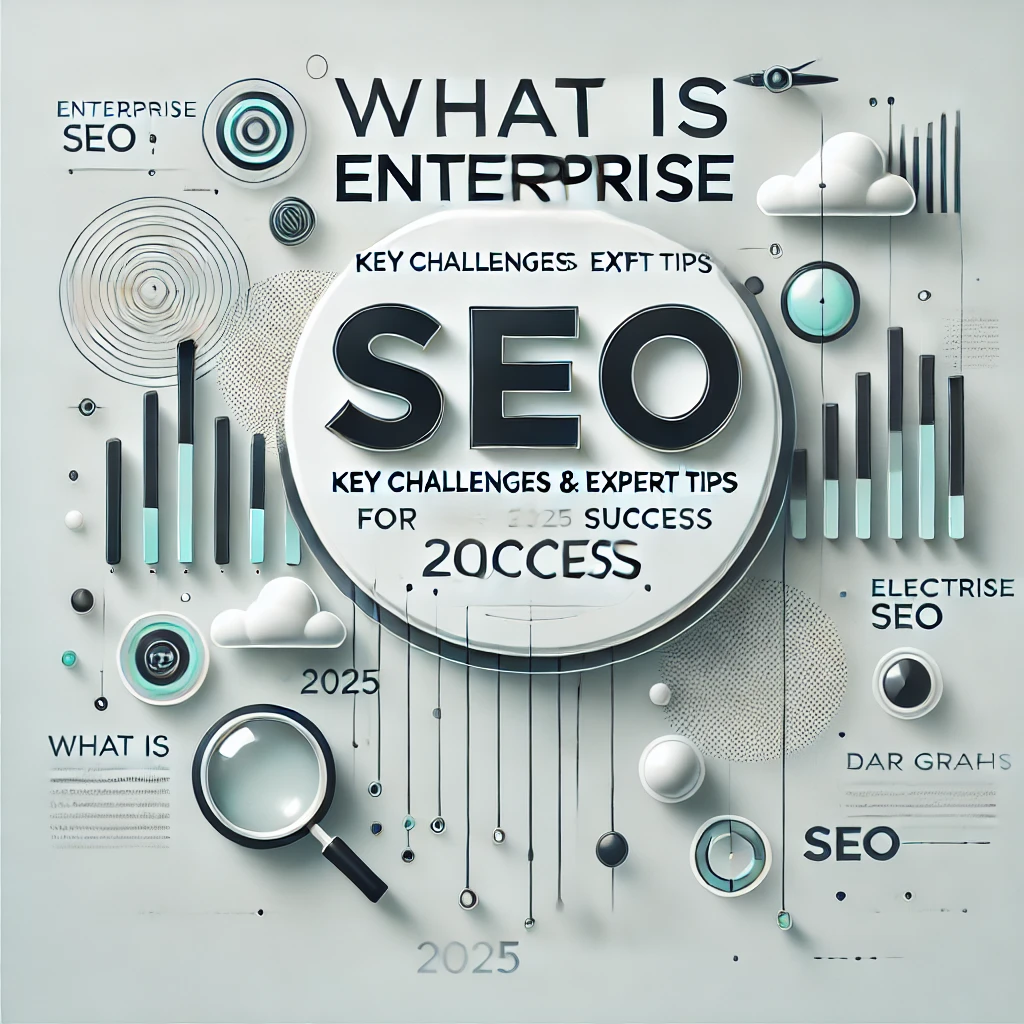
What Is Enterprise SEO? Key Challenges & Expert Tips for 2025 Success

What Is Enterprise SEO? Key Challenges & Expert Tips for 2025 Success

In the rapidly evolving digital landscape, businesses that operate at scale need robust, sophisticated strategies to maintain online visibility. This is where Enterprise SEO comes into play. In 2025, with search engine algorithms becoming smarter, competition more fierce, and artificial intelligence playing a larger role in digital marketing, understanding the nuances of Enterprise SEO is crucial for long-term success.

This article will explore what Enterprise SEO is, the key challenges enterprises face, and expert tips for mastering Enterprise SEO in 2025.

What Is Enterprise SEO?

Enterprise SEO refers to the application of search engine optimization strategies tailored for large organizations with extensive websites, numerous product pages, and complex structures. Unlike traditional SEO, which may focus on a single website with a few pages, Enterprise SEO deals with websites that can contain thousands or even millions of pages.

Key Features of Enterprise SEO Include:

  • Managing large-scale websites and ensuring technical SEO health across all pages.
  • Aligning SEO strategies with broader business goals, marketing initiatives, and product roadmaps.
  • Implementing automation tools to handle repetitive tasks like monitoring site changes, identifying errors, and optimizing content at scale.
  • Collaborating with multiple teams, including content creators, developers, designers, and executives, to ensure SEO best practices are embedded in all projects.

The overarching goal of Enterprise SEO is to drive organic traffic, improve search visibility, and enhance user experience for highly competitive keywords and vast numbers of landing pages.

Enterprise SEO

Key Challenges in Enterprise SEO

1. Scale & Complexity

One of the biggest hurdles in Enterprise SEO is managing SEO across a massive site. Enterprise websites often have thousands of pages, product variations, local landing pages, and blog entries. Ensuring all these pages follow SEO best practices and remain optimized is an ongoing challenge.

Solution

Investing in SEO automation platforms and custom scripts can help monitor technical health, perform audits, and detect issues like broken links, duplicate content, and improper redirects in real-time.

2. Multiple Stakeholders & Departments

Large enterprises have numerous teams working on different parts of the website — marketing, IT, product, design, and more. Aligning these diverse teams under a single SEO strategy is difficult.

Solution

Create clear SEO guidelines and training programs for all departments. Appoint SEO champions within each team to ensure SEO priorities are upheld.

3. Content Quality & Consistency

Enterprise websites often have vast content libraries created by different contributors over many years. Maintaining consistency in tone, quality, and optimization across all content is a major challenge.

Solution

Develop a content governance framework that outlines on-page SEO requirements, tone of voice, internal linking strategies, and content audit schedules.

4. Technical SEO Issues

Large websites are prone to technical issues, including crawlability problems, slow page speeds, broken links, outdated sitemaps, and improper canonical tags.

Solution

Conduct regular technical audits using tools like Screaming Frog, Sitebulb, or SEMrush. Work closely with developers to resolve issues swiftly.

5. International & Multi-Location SEO

Many enterprises operate in multiple regions and languages, requiring careful management of hreflang tags, localized content, and regional search algorithms.

Solution

Implement global SEO strategies that balance centralized control with local flexibility. Use regional SEO tools to monitor and optimize local rankings.

6. Algorithm Updates & Evolving Search Intent

Search engines, particularly Google, continuously update algorithms. Enterprises need to adapt quickly to changes in ranking factors, user behavior, and evolving search intent.

Solution

Maintain close relationships with SEO industry experts and monitor algorithm updates via platforms like Search Engine Journal and Google Search Central.

Also read: 301 vs. 302 Redirect: Which One is Better for SEO and UX?

Expert Tips for Enterprise SEO Success in 2025

1. Prioritize Automation & AI Tools

2025 is the year to embrace AI-powered SEO tools for content optimization, predictive analytics, competitor monitoring, and large-scale site audits. Tools like ChatGPT, Surfer SEO, and MarketMuse can assist with automated content suggestions, while SEO automation platforms handle repetitive tasks.

2. Focus on User Experience (UX) & Core Web Vitals

Google’s emphasis on page experience will continue to grow. In 2025, Core Web Vitals — including Largest Contentful Paint (LCP), First Input Delay (FID), and Cumulative Layout Shift (CLS) — will play a critical role in ranking large websites.

Key Actions
  • Optimize page speed and mobile usability.
  • Ensure consistent navigation and intuitive user journeys.
  • Minimize unnecessary page elements that impact load times.

3. Invest in Scalable Content Strategies

Enterprise sites need a content strategy that can scale without compromising quality. This includes creating programmatic content for product pages, developing data-driven content hubs, and expanding into video SEO and AI-generated content.

Key Actions
  • Develop content templates for product pages, location pages, and category pages.
  • Use data insights to identify emerging keywords and content gaps.
  • Implement programmatic internal linking strategies to strengthen site architecture.

4. Enhance Data & Reporting Capabilities

Enterprises require advanced data systems to monitor SEO performance across millions of pages, track competitor activity, and measure return on investment (ROI).

Key Actions
  • Set up custom dashboards using Google Looker Studio, GA4, and SEO platforms like SEMrush Enterprise.
  • Track page-level performance, keyword clusters, and SERP feature visibility.
  • Use predictive analytics to anticipate shifts in demand.

5. Align SEO with Overall Business Goals

Enterprise SEO cannot operate in a silo. SEO goals must align with corporate goals such as brand positioning, product launches, and customer acquisition targets.

Key Actions
  • Work closely with executive teams to define SEO KPIs that tie into broader business outcomes.
  • Integrate SEO data into marketing and product decision-making processes.

6. Prepare for Voice Search & Visual Search

In 2025, voice search and visual search technologies will continue to evolve. Enterprises must ensure their content is optimized for natural language queries and that images are properly tagged and optimized for visual discovery.

Key Actions
  • Use schema markup to enhance rich results.
  • Optimize product images with descriptive alt text and structured data.
  • Conduct voice query research to understand conversational search patterns.

FAQ

What is Enterprise SEO?

Enterprise SEO is the practice of optimizing large websites with thousands or millions of pages to improve organic search visibility, user experience, and traffic. It involves technical SEO, content strategies, and collaboration across multiple teams.

How is Enterprise SEO different from regular SEO?

Enterprise SEO operates at a larger scale and requires automation, cross-team coordination, and tailored strategies for managing massive content libraries and technical infrastructure.

What tools are recommended for Enterprise SEO in 2025?

Top tools include Screaming Frog, SEMrush Enterprise, BrightEdge, Conductor, MarketMuse, and Google Looker Studio.

Why is automation important in Enterprise SEO?

Automation helps monitor technical issues, optimize large volumes of pages, and track performance at scale, freeing up SEO teams to focus on strategy.

How does Enterprise SEO impact business revenue?

A well-executed Enterprise SEO strategy drives qualified organic traffic, reduces paid search dependency, and enhances customer acquisition and retention.

Conclusion

Enterprise SEO in 2025 requires a blend of automation, cross-department collaboration, and agile strategies that adapt to constant algorithm changes. As search engines become smarter and user expectations grow, large organizations must evolve their SEO strategies to stay ahead.

By addressing common Enterprise SEO challenges and applying expert strategies, enterprises can secure better visibility, attract qualified traffic, and maintain competitive advantage in the digital space.

If you need any help with Digital Marketing, then contact us

SEO for E-commerce-HanuiT solutions

SEO for E-commerce: Best Practices to Improve Product Visibility

SEO for E-commerce: Best Practices to Improve Product Visibility

In the competitive world of online retail, mastering SEO for E-commerce is essential to ensure your products get the attention they deserve. Search Engine Optimization tailored for e-commerce platforms can help improve product visibility, attract targeted traffic, and boost sales. By implementing the right strategies, you can make your online store stand out and turn visitors into loyal customers.

This guide focuses on the best practices for optimizing your e-commerce store for search engines, helping you achieve better rankings and connect with your audience effectively.

Learn how to boost your online store’s performance with SEO for E-commerce! In this video, we cover:

  • Proven techniques to enhance product visibility.
  • Best practices for optimizing e-commerce websites.
  • Effective strategies for keyword research and implementation.
  • Tips to improve site speed, structure, and mobile-friendliness.

If you want to drive more traffic to your online store and increase your sales, this is the ultimate guide to mastering SEO for E-commerce. Subscribe now for expert insights and actionable tips!

SEO for E-commerce

Understanding SEO for E-commerce

SEO for e-commerce involves optimizing your online store and product pages to increase visibility in search engine results pages (SERPs). Unlike traditional websites, e-commerce platforms have unique challenges such as duplicate content, thin product descriptions, and high competition. Addressing these challenges with targeted SEO techniques can significantly impact your site’s performance and revenue.

Why SEO Matters for E-commerce

Search Engine Optimization (SEO) is the process of improving your website’s ranking on search engines like Google. For e-commerce businesses, this is crucial because:

  • Increased Visibility: Most online shoppers start their journey with a search engine query. A high-ranking website attracts more organic traffic.
  • Higher ROI: SEO is cost-effective compared to paid advertising. Once optimized, your site can drive consistent traffic without ongoing ad expenses.
  • Improved User Experience: Many SEO practices, such as fast loading times and mobile optimization, enhance user experience, encouraging shoppers to stay longer and purchase more.

Now, let’s delve into the best practices for optimizing your e-commerce store.

Best Practices to Improve Product Visibility

1. Perform Comprehensive Keyword Research

Effective keyword research lays the foundation for any successful e-commerce SEO strategy. Follow these steps:

  • Identify Long-tail Keywords: Focus on long-tail keywords (e.g., “women’s waterproof hiking boots”) to target niche audiences with high purchase intent.
  • Use SEO Tools: Tools like Google Keyword Planner, Ahrefs, or SEMrush can help identify relevant keywords with high search volume and low competition.
  • Analyze Competitor Keywords: Study competitors in your niche to discover opportunities to rank for overlooked keywords.

Incorporate these keywords naturally into your product titles, descriptions, and meta tags to improve visibility.

2. Optimize Product Pages

Your product pages are the heart of your e-commerce website. Here’s how to optimize them:

  • Write Unique Product Descriptions: Avoid duplicate content by crafting original, detailed, and engaging descriptions for each product. Include primary and secondary keywords naturally.
  • Use Descriptive Titles: Product titles should include relevant keywords and clearly describe the item (e.g., “Men’s Black Leather Jacket – Slim Fit”).
  • Leverage High-quality Images: Optimize images with descriptive file names and alt tags containing relevant keywords. Compress images to reduce loading times.
  • Add Customer Reviews: Positive reviews build trust and contribute to fresh, user-generated content, which search engines favor.

3. Improve Site Structure

A well-organized site structure enhances user experience and makes it easier for search engines to crawl your website.

  1. Categorization: Group products into logical categories and subcategories.
  2. Breadcrumb Navigation: Enable breadcrumb navigation to help users and search engines understand your site hierarchy.
  3. URL Structure: Use clean, descriptive URLs that include keywords,

4. Optimize for Mobile Users

With the majority of e-commerce traffic coming from mobile devices, mobile optimization is critical:

  • Responsive Design: Ensure your website adapts seamlessly to different screen sizes.
  • Fast Loading Times: Compress images and leverage caching to reduce page load times.
  • Mobile-friendly Navigation: Use a simple menu structure and large, tappable buttons.

Google prioritizes mobile-friendly sites in its rankings, so neglecting this aspect could harm your visibility.

Also read: Google My Business Optimization for Brick-and-Mortar Stores: A Checklist

5. Focus on Technical SEO

Technical SEO ensures that search engines can easily crawl and index your website:

  • Improve Site Speed: Use tools like Google PageSpeed Insights to identify and fix performance issues.
  • Optimize URLs: Use clean, descriptive URLs with keywords (e.g., “example.com/black-leather-jacket”).
  • Fix Broken Links: Regularly audit your site for 404 errors and update or remove broken links.
  • Submit a Sitemap: Provide a sitemap to search engines to help them discover your pages more efficiently.

6. Build High-Quality Backlinks

Backlinks from reputable websites boost your domain authority:

  • Collaborate with Influencers: Partner with influencers in your niche to review and link to your products.
  • Submit Guest Posts: Write articles for industry blogs with backlinks to your e-commerce site.
  • Engage in Online Communities: Participate in forums and answer questions on platforms like Quora, including links to your store where relevant.

7. Leverage Content Marketing

Engaging content attracts visitors and improves your site’s authority:

  • Start a Blog: Write articles about industry trends, product tutorials, and buying guides. For instance, a clothing store might publish “How to Style a Leather Jacket.”
  • Create Videos: Product demos and reviews can rank well on both Google and YouTube.
  • Share on Social Media: Promote your content on social platforms to drive traffic and build backlinks.

8. Encourage Customer Reviews

Customer reviews not only build trust but also improve search visibility. Encourage satisfied customers to leave reviews and respond to them to show engagement. Highlight reviews on your product pages to enhance their appeal.

9. Monitor Analytics and Performance

Regularly assess your SEO efforts to identify areas for improvement.

  1. Analytics Tools: Use Google Analytics and Google Search Console to monitor traffic and performance.
  2. A/B Testing: Test different strategies to see what works best for your audience.
  3. SEO Audits: Conduct periodic audits to ensure your site remains optimized.

Adjust your SEO strategies based on the data to continually improve.

10. Optimize for Local SEO

If you have a physical store or cater to specific regions, local SEO can drive targeted traffic:

  • Claim Your Google My Business Listing: Include accurate details about your business location, hours, and contact information.
  • Use Local Keywords: Incorporate location-based keywords (e.g., “organic groceries in Los Angeles”) in your content.
  • Encourage Local Reviews: Positive reviews on platforms like Google and Yelp improve your local search rankings.

FAQ:

What is SEO for E-commerce?

SEO for e-commerce involves optimizing your online store to improve its visibility on search engines, making it easier for potential customers to find your products.

Why is keyword research important for e-commerce SEO?

Keyword research identifies the terms shoppers use to find products like yours. By targeting these keywords, you can attract more relevant traffic to your site.

How do I optimize product images for SEO?

Use descriptive file names, add keyword-rich alt tags, and compress images to improve loading times and visibility on search engines.

What role does mobile optimization play in e-commerce SEO?

Mobile optimization ensures your site provides a seamless shopping experience on mobile devices, which is essential as most online shoppers use smartphones.

How can I measure the success of my e-commerce SEO efforts?

Use analytics tools to track metrics like organic traffic, keyword rankings, CTR, and conversion rates to gauge your SEO performance.

Conclusion

SEO for e-commerce is a powerful tool that can significantly enhance product visibility and drive sales. By implementing these best practices—from thorough keyword research to technical optimization and content marketing—you can ensure your online store stands out in a crowded marketplace. Staying consistent and adapting to evolving trends will keep your e-commerce business competitive. Start optimizing your site today to attract more customers and achieve long-term growth.

if you need any help with Digital Marketing then contact us
SEO is Costing-HanuiT solutions

How Poor SEO is Costing Auto Dealers Valuable Leads?

How Poor SEO is Costing Auto Dealers Valuable Leads

In the digital age, car buyers start their purchasing journey online, researching vehicles and dealership options before stepping into a showroom. For auto dealers, this makes an optimized online presence essential. Yet, many dealerships still neglect a critical aspect of their online strategy—Search Engine Optimization (SEO). Poor SEO is costing auto dealers valuable leads and, ultimately, sales.

In this article, we’ll explore how ineffective SEO practices hinder dealerships from attracting potential customers and what auto dealers can do to reverse these damaging effects.

1. Poor Keyword Targeting

One of the biggest reasons poor SEO is costing auto dealers leads is ineffective keyword targeting. When potential customers search for terms like “best auto dealer near me” or “affordable used cars in [city name],” a dealership with poor SEO won’t rank high in search results. This means potential buyers are more likely to visit competitors who have optimized their sites with the right keywords.

Solution: Dealerships need to identify high-intent keywords that potential customers are likely to search for. By incorporating these keywords naturally into their website content, they improve their chances of appearing at the top of search engine results pages (SERPs).

 Also read: Why Social Media Alone Isn’t Driving Leads for Dealerships

2. Neglecting Local SEO

Local SEO is essential for auto dealers, as most buyers search for vehicles within their geographical region. Poor local SEO practices, such as failing to optimize Google My Business (GMB) listings or ignoring local keywords, reduce visibility in local search results.

If an auto dealer’s business profile isn’t complete or lacks accurate information, they risk being overlooked by local searchers. Google prioritizes dealerships with verified GMB listings that contain up-to-date hours, contact details, and reviews.

Solution: To enhance local SEO, auto dealers should optimize their GMB profiles, add accurate business information, and encourage customers to leave reviews. Local keywords should also be included in meta tags, headings, and on-site content to attract local buyers.

3. Slow Website Speed

Website speed directly impacts user experience and search engine rankings. If your dealership’s site takes too long to load, users will leave before the page even appears. Google also penalizes slow-loading websites, meaning that poor SEO is costing auto dealers their rank in SERPs and, in turn, valuable leads.

Solution: Optimize your website speed by compressing images, using faster hosting services, and enabling browser caching. A faster website means higher rankings, reduced bounce rates, and more leads.

4. Lack of Mobile Optimization

With more car buyers browsing on mobile devices, mobile optimization is critical. If your dealership’s site isn’t mobile-friendly, you’re missing out on a significant chunk of traffic. Poor SEO practices, such as neglecting to implement responsive design, make your site difficult to navigate on smaller screens. This will cause visitors to leave and seek out competitor sites that offer a better mobile experience.

Solution: Implement a responsive web design that adjusts to all screen sizes, ensuring that mobile users have a seamless browsing experience. Google rewards mobile-friendly websites with better rankings, leading to more leads.

5. Poor Content Strategy

Content is still king when it comes to SEO. However, poor SEO is costing auto dealers leads due to a lack of quality, engaging content. If a dealership’s website only has generic vehicle descriptions and doesn’t provide valuable information (such as blogs, FAQs, and how-to guides), search engines won’t rank the site well.

Solution: Develop a robust content strategy that includes informative blog posts, buyer guides, and SEO-optimized product descriptions. Fresh, high-quality content not only helps SEO but also positions your dealership as an authority in the industry, increasing trust and conversions.

6. Ignoring Technical SEO

Technical SEO issues, such as broken links, duplicate content, and incorrect XML sitemaps, can severely hurt a website’s performance. Poor SEO is costing auto dealers because search engine crawlers may struggle to index the site correctly, leading to lower rankings.

Solution: Conduct regular technical SEO audits to identify and fix issues like broken links, improper redirects, and missing alt texts for images. Ensuring a well-structured, technically sound website helps improve search engine visibility.

7. Not Utilizing Analytics for Continuous Improvement

Failing to track SEO performance is another costly mistake. Auto dealers who don’t analyze their SEO metrics have no way of understanding what’s working and what needs improvement. Without regular performance checks, poor SEO is costing dealers the opportunity to optimize their strategies and generate more leads.

Solution: Use tools like Google Analytics to monitor traffic, bounce rates, and conversions. By tracking these metrics, dealerships can make data-driven adjustments to their SEO strategy, ensuring continuous improvement.

8. No Focus on Link Building

Backlinks from reputable sources signal to search engines that your website is credible and trustworthy. However, many auto dealers neglect link-building efforts, leading to poor SEO results. Without strong backlinks, a dealership’s website is less likely to rank for competitive terms.

Solution: Implement a link-building strategy by partnering with local businesses, sponsoring events, and creating shareable content. The more high-quality backlinks your dealership earns, the better its search engine ranking will be, leading to more leads.

FAQ

Why is SEO important for auto dealers?

SEO is crucial for auto dealers because it improves the visibility of their websites in search engine results. This increases the chances of attracting potential customers who are actively searching for vehicles or dealerships in their area.

How does poor SEO affect lead generation for auto dealers?

Poor SEO prevents dealerships from ranking high on search engine results pages. As a result, potential leads may never find the dealership’s website, opting instead for competitors with better SEO.

What are the key components of SEO for auto dealerships?

Key components include keyword optimization, local SEO (especially Google My Business), mobile optimization, fast website speed, quality content, and technical SEO.

How can auto dealers improve their local SEO?

Auto dealers can improve local SEO by optimizing their Google My Business listing, using local keywords in their content, and ensuring that they receive and respond to customer reviews.

What is the impact of website speed on lead generation?

A slow website can lead to high bounce rates, meaning visitors leave before the site fully loads. This affects user experience and causes Google to rank the website lower, resulting in fewer leads.

Why is mobile optimization critical for auto dealers?

With more users browsing the internet via mobile devices, having a mobile-friendly website is essential for reaching a broader audience. Google also ranks mobile-optimized sites higher, increasing the chances of attracting leads.

How can auto dealers fix poor SEO practices?

Auto dealers can fix poor SEO by conducting audits, optimizing for local and mobile searches, improving website speed, creating quality content, and building backlinks from reputable sources.

Hire Figma Developer

Conclusion

In today’s competitive automotive market, poor SEO is costing auto dealers valuable leads. From ineffective keyword targeting and poor local SEO to slow website speeds and a lack of mobile optimization, these issues prevent dealerships from appearing in front of their ideal audience.

By prioritizing SEO improvements—such as optimizing for local search, speeding up the website, creating quality content, and building links—auto dealers can enhance their online visibility and attract more potential customers. The sooner a dealership invests in strong SEO, the more leads they’ll convert into sales.

if you need any help with your Lead Generation on your website? then contact us
Solar Business- HanuiT solutions

How a Solar Business Doubled Customer with SEO& Social Media

How a Solar Business Doubled Customers with SEO & Social Media

In the competitive landscape of solar Business,  standing out and attracting new customers can be challenging. However, a well-executed digital marketing strategy can make a significant difference. This case study explores how a solar business successfully doubled its customer base through a strategic combination of SEO (Search Engine Optimization) and social media marketing. By focusing on enhancing online visibility and engaging with potential clients on social platforms, the company achieved remarkable growth. This article delves into the tactics used and the results achieved, providing valuable insights for other solar businesses looking to expand their reach and customer base.

The renewable energy sector is booming, with solar energy at the forefront of this revolution. However, with increasing competition, standing out in the crowded market requires more than just a solid product. Effective marketing strategies are essential. This article explores how a solar business successfully utilized SEO (Search Engine Optimization) and social media to double its customer base.

The Challenge

Before adopting new marketing strategies, the solar business faced several challenges:

Increased Competition: With more companies entering the solar market, differentiating itself was crucial.

Limited Online Presence: The company had a basic website with minimal traffic and engagement.

Underutilized Social Media: Social media channels were not fully exploited to their potential.

To overcome these challenges, the company decided to focus on enhancing its online presence through SEO and social media.

SEO: The Foundation of Online Visibility

1. Keyword Research and Optimization

Solar Business

The first step was to conduct thorough keyword research to identify terms potential customers were using to search for solar solutions. Keywords such as “solar installation,” “solar panels,” and “renewable energy solutions” were targeted. Additionally, specific local keywords like “solar installation were used to capture local traffic.

2. On-Page Optimization

With the keywords identified, the company optimized its website content. This included:

Title Tags and Meta Descriptions: Ensuring that each page had a unique and compelling title tag and meta description incorporating relevant keywords.

Content Creation: Developing high-quality, informative content that addresses common customer queries about solar energy. This included blog posts, FAQs, and detailed service pages.

Image Optimization: Using descriptive, keyword-rich alt texts for images to improve visibility in search engine image results.

3. Technical SEO

Technical SEO improvements included:

Mobile Optimization: Ensuring the website was mobile-friendly, given the increasing number of users accessing sites via smartphones.

Page Speed: Enhancing website speed to reduce bounce rates and improve user experience.

Secure Site: Implementing SSL certificates to make the site secure, which is also a ranking factor for Google.

4. Local SEO

Given the nature of the solar business, local SEO was crucial. The company:

Optimized Google My Business (GMB): Updated their GMB profile with accurate business information, images, and customer reviews.

Local Citations: Ensured consistency across all online directories and local listings.

These SEO efforts led to increased organic traffic and improved search engine rankings, making it easier for potential customers to find the company online.

Social Media: Engaging and Converting

1. Platform Selection

The company focused on platforms where their target audience was most active. For the solar industry, Facebook, Instagram, and LinkedIn were prioritized.

2. Content Strategy

The content strategy included:

Educational Posts: Sharing informative content about the benefits of solar energy, installation processes, and financial incentives.

Customer Testimonials: Showcasing successful installations and satisfied customers to build trust and credibility.

Engaging Visuals: Using high-quality images and videos to capture attention and demonstrate the impact of solar energy solutions.

3. Paid Advertising

To boost reach and engagement, the company invested in targeted social media ads. These ads were carefully crafted to attract potential customers based on their demographics, interests, and behaviors.

4. Community Engagement

The company actively engaged with its social media audience by responding to comments, participating in discussions, and hosting Q&A sessions. This helped build a loyal community and encouraged referrals.

 Also read: Boosting Leads for Small Solar Firms with Targeted Marketing

Results

The combination of SEO and social media efforts led to remarkable results for the solar business:

Doubling Customer Base: The most significant achievement was doubling the customer base within a year.

Increased Website Traffic: Organic traffic to the website increased significantly due to improved search engine rankings.

Enhanced Brand Awareness: Social media efforts led to greater brand recognition and a stronger online presence.

Higher Conversion Rates: Targeted ads and engaging content improved lead generation and conversion rates.

FAQ

How long did it take to see results from SEO and social media efforts?

Results varied, but significant improvements were typically observed within 3-6 months of implementing SEO and social media strategies. The full impact, including doubling the customer base, was realized within a year.

What were the key metrics used to measure success?

Key metrics included website traffic, search engine rankings, social media engagement (likes, shares, comments), lead generation, and conversion rates.

How much should a solar business invest in SEO and social media?

Investment amounts can vary based on the company’s size and goals. A balanced approach, starting with a moderate budget and scaling up based on results, is often effective. It’s crucial to continuously evaluate and adjust the budget as needed.

Can small solar businesses benefit from SEO and social media?

Yes, small solar businesses can greatly benefit from these strategies. With the right approach, they can compete effectively with larger companies, improve their online visibility, and attract more customers.

What are some common mistakes to avoid in SEO and social media marketing?

Common mistakes include neglecting mobile optimization, failing to update content regularly, not engaging with the audience, and not tracking and analyzing performance metrics. Avoiding these pitfalls can lead to more successful marketing efforts.

Conclusion

The case study of this solar business illustrates the powerful impact that SEO and social media can have on business growth. By focusing on keyword optimization, enhancing online presence, and engaging with potential customers through social media, the company successfully doubled its customer base. For other solar businesses looking to achieve similar results, adopting a comprehensive digital marketing strategy is essential.

if you need any help with Digital Marketing then contact us
SEO Strategies- HanuiT solutions

Unlock Success: Advanced SEO Strategies

As we venture into, the realm of digital marketing and online visibility undergoes continuous evolution, with Search Engine Optimization (SEO) retaining its position as a cornerstone strategy for businesses aiming to augment their online presence. In this dynamic landscape, marked by technological advancements, algorithmic shifts, and evolving user behaviors, the efficacy of SEO strategies hinges on adaptation and innovation. 

To navigate this terrain successfully, businesses must embrace cutting-edge SEO tactics that resonate with contemporary trends and best practices. This comprehensive guide delves into the top SEO strategies for ,offering insights into the methodologies and approaches that can propel businesses towards enhanced visibility, increased organic traffic, and sustained competitiveness in the digital sphere.

Best SEO Strategies:

1.Thorough Keyword Research:

Begin by identifying relevant keywords and phrases pertinent to your niche.

Utilize keyword research tools to uncover high-volume keywords with moderate competition.

Focus on long-tail keywords that reflect user intent and align with your content strategy.

2.On-Page Optimization:

Optimize meta titles, descriptions, headings, and URLs with target keywords.

Ensure content is structured logically and incorporates semantic variations of keywords.

Enhance user experience by improving page load speed, mobile responsiveness, and navigation.

3.Create Compelling Content:

Craft engaging, informative content that resonates with your target audience.

Address common pain points, answer frequently asked questions, and provide valuable insights.

Diversify content formats to cater to different preferences, including blog posts, videos, infographics, and podcasts.

4.Build High-Quality Backlinks:

Develop a robust backlink profile by earning links from reputable websites in your industry.

Leverage content marketing, guest blogging, and influencer outreach to acquire natural backlinks.

Prioritize quality over quantity, focusing on relevance, authority, and trustworthiness.

5.Optimize for Local Search:

Claim and optimize your Google My Business listing to improve local search visibility.

Encourage customer reviews and testimonials to enhance credibility and trustworthiness.

Include local keywords in your content, meta tags, and anchor text to target geo-specific queries.

6.Monitor and Analyze Performance:

Utilize analytics tools to track key performance metrics, such as organic traffic, keyword rankings, and conversion rates.                     

 Also read Design Portfolio | Creative Brilliance

Identify areas for improvement and adjust your SEO Strategies accordingly based on data-driven insights.

Stay updated on algorithm changes and industry trends to adapt your approach proactively.

7.Embrace Multimedia and Visual Content:

Incorporate images, videos, and interactive elements to enhance the visual appeal and engagement of your website.

Optimize multimedia assets with descriptive filenames, alt tags, and captions to improve accessibility and search visibility.

Leverage platforms like YouTube, Pinterest, and Instagram to reach broader audiences and drive traffic back to your website.

 Also read Php Web Application Key Features

SEO Strategies

Types of SEO Strategies:

1. On-Page SEO: This involves optimizing individual web pages to rank higher and earn more relevant traffic in search engines. Techniques include keyword optimization, meta tags, headers, and quality content creation.

2. Off-Page SEO: This focuses on improving a website’s search engine ranking through activities done outside of the website. Common strategies include building quality backlinks, social media engagement, and influencer outreach.                       

  Also read What is local SEO and How we can improve it

3. Technical SEO: Technical SEO refers to optimizing the technical aspects of a website to improve its search engine visibility. This includes improving site speed, mobile-friendliness, site architecture, and implementing schema markup.

4. Local SEO: Local SEO targets local customers by optimizing a website for local search. This involves optimizing Google My Business listings, obtaining local citations, and garnering positive reviews.

5.Quality Content Creation: Content marketing is a crucial aspect of SEO, involving the creation and distribution of valuable, relevant, and consistent content to attract and retain a clearly-defined audience. High-quality content helps improve search engine rankings and drives organic traffic.

6. Voice Search Optimization: With the rise of voice search technology, optimizing for voice search queries becomes essential. This involves understanding natural language patterns and creating content that answers common voice search queries concisely.

7. Mobile Optimization: With an increasing number of searches happening on mobile devices, optimizing for mobile SEO is crucial. This includes creating a responsive design, optimizing site speed, and ensuring a seamless user experience on mobile devices.

8. E-commerce SEO: E-commerce SEO focuses on optimizing online stores to improve their visibility in search engine results. This involves optimizing product pages, improving site navigation, and implementing structured data markup.

9. Video SEO: Video content has become increasingly popular, and optimizing videos for search engines can drive significant traffic to a website. Video SEO involves optimizing video titles, descriptions, tags, and thumbnails, as well as hosting videos on platforms like YouTube.

10. International SEO: For businesses targeting global markets, international SEO is crucial. This involves optimizing a website to rank in different countries and languages, including using hreflang tags, geotargeting, and creating region-specific content.

11.Link Building:  Build a robust backlink profile by acquiring high-quality inbound links from authoritative websites within your industry. Focus on earning natural backlinks through content marketing, guest blogging, influencer outreach, and networking with other webmasters. Quality over quantity is key when it comes to link building.

These are just a few examples of the types of best SEO strategies that businesses can employ to improve their search engine rankings and drive organic traffic to their websites.

FAQ:

Q: How long does it take to see results from SEO efforts?

A: The timeline for seeing SEO results can vary depending on various factors, including the competitiveness of your industry, the quality of your SEO efforts, and the algorithms of search engines. Generally, significant improvements may take several months to a year to materialize.

Q: Is SEO a one-time effort or an ongoing process?

A: SEO is an ongoing process that requires continuous monitoring, analysis, and optimization to maintain and improve your search engine rankings. Search engines frequently update their algorithms, and competitors may also adjust their strategies, necessitating ongoing SEO efforts to stay competitive.

Q: Can I do SEO myself, or should I hire an agency?

A: While it’s possible to implement basic SEO strategies yourself, achieving optimal results often requires expertise, experience, and resources that may be beyond the capabilities of an individual or small team. Hiring an experienced SEO agency can provide you with the specialized knowledge and support needed to maximize your SEO efforts and drive sustainable growth.

Conclusion:

In conclusion, the SEO landscape of demands a multifaceted approach that integrates technical acumen, user-centric optimization, and adaptability to emerging trends. By embracing these top SEO strategies, businesses can elevate their online visibility, attract qualified organic traffic, and foster sustainable growth in an increasingly competitive digital milieu. Embracing innovation, staying abreast of industry developments, and prioritizing user value are imperative for success in the dynamic realm of SEO.

Book  a consultation with us