




HanuiT Solutions

SEO for E-commerce-HanuiT solutions

SEO for E-commerce: Best Practices to Improve Product Visibility

SEO for E-commerce: Best Practices to Improve Product Visibility

In the competitive world of online retail, mastering SEO for E-commerce is essential to ensure your products get the attention they deserve. Search Engine Optimization tailored for e-commerce platforms can help improve product visibility, attract targeted traffic, and boost sales. By implementing the right strategies, you can make your online store stand out and turn visitors into loyal customers.

This guide focuses on the best practices for optimizing your e-commerce store for search engines, helping you achieve better rankings and connect with your audience effectively.

Learn how to boost your online store’s performance with SEO for E-commerce! In this video, we cover:

  • Proven techniques to enhance product visibility.
  • Best practices for optimizing e-commerce websites.
  • Effective strategies for keyword research and implementation.
  • Tips to improve site speed, structure, and mobile-friendliness.

If you want to drive more traffic to your online store and increase your sales, this is the ultimate guide to mastering SEO for E-commerce. Subscribe now for expert insights and actionable tips!
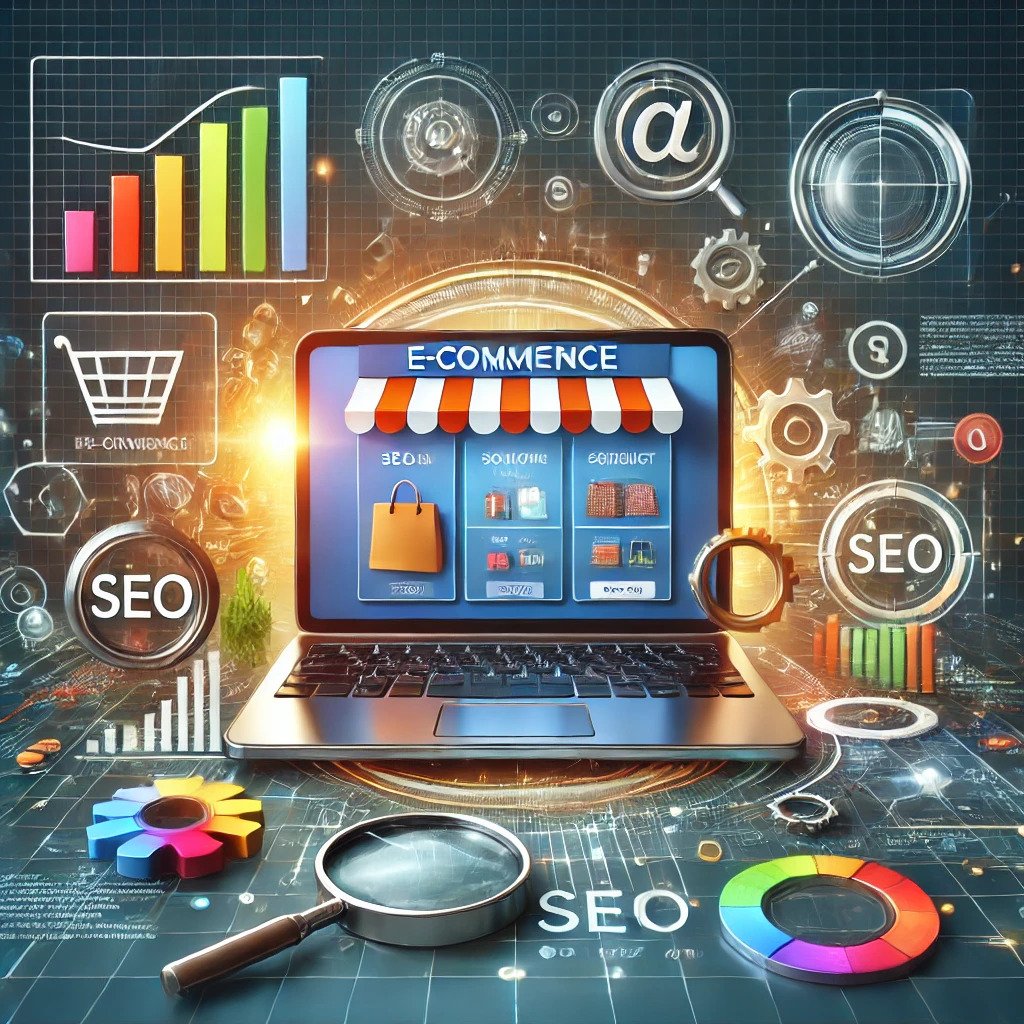
SEO for E-commerce

Understanding SEO for E-commerce

SEO for e-commerce involves optimizing your online store and product pages to increase visibility in search engine results pages (SERPs). Unlike traditional websites, e-commerce platforms have unique challenges such as duplicate content, thin product descriptions, and high competition. Addressing these challenges with targeted SEO techniques can significantly impact your site’s performance and revenue.

Why SEO Matters for E-commerce

Search Engine Optimization (SEO) is the process of improving your website’s ranking on search engines like Google. For e-commerce businesses, this is crucial because:

  • Increased Visibility: Most online shoppers start their journey with a search engine query. A high-ranking website attracts more organic traffic.
  • Higher ROI: SEO is cost-effective compared to paid advertising. Once optimized, your site can drive consistent traffic without ongoing ad expenses.
  • Improved User Experience: Many SEO practices, such as fast loading times and mobile optimization, enhance user experience, encouraging shoppers to stay longer and purchase more.

Now, let’s delve into the best practices for optimizing your e-commerce store.

Best Practices to Improve Product Visibility

1. Perform Comprehensive Keyword Research

Effective keyword research lays the foundation for any successful e-commerce SEO strategy. Follow these steps:

  • Identify Long-tail Keywords: Focus on long-tail keywords (e.g., “women’s waterproof hiking boots”) to target niche audiences with high purchase intent.
  • Use SEO Tools: Tools like Google Keyword Planner, Ahrefs, or SEMrush can help identify relevant keywords with high search volume and low competition.
  • Analyze Competitor Keywords: Study competitors in your niche to discover opportunities to rank for overlooked keywords.

Incorporate these keywords naturally into your product titles, descriptions, and meta tags to improve visibility.

2. Optimize Product Pages

Your product pages are the heart of your e-commerce website. Here’s how to optimize them:

  • Write Unique Product Descriptions: Avoid duplicate content by crafting original, detailed, and engaging descriptions for each product. Include primary and secondary keywords naturally.
  • Use Descriptive Titles: Product titles should include relevant keywords and clearly describe the item (e.g., “Men’s Black Leather Jacket – Slim Fit”).
  • Leverage High-quality Images: Optimize images with descriptive file names and alt tags containing relevant keywords. Compress images to reduce loading times.
  • Add Customer Reviews: Positive reviews build trust and contribute to fresh, user-generated content, which search engines favor.

3. Improve Site Structure

A well-organized site structure enhances user experience and makes it easier for search engines to crawl your website.

  1. Categorization: Group products into logical categories and subcategories.
  2. Breadcrumb Navigation: Enable breadcrumb navigation to help users and search engines understand your site hierarchy.
  3. URL Structure: Use clean, descriptive URLs that include keywords,

4. Optimize for Mobile Users

With the majority of e-commerce traffic coming from mobile devices, mobile optimization is critical:

  • Responsive Design: Ensure your website adapts seamlessly to different screen sizes.
  • Fast Loading Times: Compress images and leverage caching to reduce page load times.
  • Mobile-friendly Navigation: Use a simple menu structure and large, tappable buttons.

Google prioritizes mobile-friendly sites in its rankings, so neglecting this aspect could harm your visibility.

Also read: Google My Business Optimization for Brick-and-Mortar Stores: A Checklist

5. Focus on Technical SEO

Technical SEO ensures that search engines can easily crawl and index your website:

  • Improve Site Speed: Use tools like Google PageSpeed Insights to identify and fix performance issues.
  • Optimize URLs: Use clean, descriptive URLs with keywords (e.g., “example.com/black-leather-jacket”).
  • Fix Broken Links: Regularly audit your site for 404 errors and update or remove broken links.
  • Submit a Sitemap: Provide a sitemap to search engines to help them discover your pages more efficiently.

6. Build High-Quality Backlinks

Backlinks from reputable websites boost your domain authority:

  • Collaborate with Influencers: Partner with influencers in your niche to review and link to your products.
  • Submit Guest Posts: Write articles for industry blogs with backlinks to your e-commerce site.
  • Engage in Online Communities: Participate in forums and answer questions on platforms like Quora, including links to your store where relevant.

7. Leverage Content Marketing

Engaging content attracts visitors and improves your site’s authority:

  • Start a Blog: Write articles about industry trends, product tutorials, and buying guides. For instance, a clothing store might publish “How to Style a Leather Jacket.”
  • Create Videos: Product demos and reviews can rank well on both Google and YouTube.
  • Share on Social Media: Promote your content on social platforms to drive traffic and build backlinks.

8. Encourage Customer Reviews

Customer reviews not only build trust but also improve search visibility. Encourage satisfied customers to leave reviews and respond to them to show engagement. Highlight reviews on your product pages to enhance their appeal.

9. Monitor Analytics and Performance

Regularly assess your SEO efforts to identify areas for improvement.

  1. Analytics Tools: Use Google Analytics and Google Search Console to monitor traffic and performance.
  2. A/B Testing: Test different strategies to see what works best for your audience.
  3. SEO Audits: Conduct periodic audits to ensure your site remains optimized.

Adjust your SEO strategies based on the data to continually improve.

10. Optimize for Local SEO

If you have a physical store or cater to specific regions, local SEO can drive targeted traffic:

  • Claim Your Google My Business Listing: Include accurate details about your business location, hours, and contact information.
  • Use Local Keywords: Incorporate location-based keywords (e.g., “organic groceries in Los Angeles”) in your content.
  • Encourage Local Reviews: Positive reviews on platforms like Google and Yelp improve your local search rankings.

FAQ:

What is SEO for E-commerce?

SEO for e-commerce involves optimizing your online store to improve its visibility on search engines, making it easier for potential customers to find your products.

Why is keyword research important for e-commerce SEO?

Keyword research identifies the terms shoppers use to find products like yours. By targeting these keywords, you can attract more relevant traffic to your site.

How do I optimize product images for SEO?

Use descriptive file names, add keyword-rich alt tags, and compress images to improve loading times and visibility on search engines.

What role does mobile optimization play in e-commerce SEO?

Mobile optimization ensures your site provides a seamless shopping experience on mobile devices, which is essential as most online shoppers use smartphones.

How can I measure the success of my e-commerce SEO efforts?

Use analytics tools to track metrics like organic traffic, keyword rankings, CTR, and conversion rates to gauge your SEO performance.

Conclusion

SEO for e-commerce is a powerful tool that can significantly enhance product visibility and drive sales. By implementing these best practices—from thorough keyword research to technical optimization and content marketing—you can ensure your online store stands out in a crowded marketplace. Staying consistent and adapting to evolving trends will keep your e-commerce business competitive. Start optimizing your site today to attract more customers and achieve long-term growth.
if you need any help with Digital Marketing then contact us
Mastering SEO-HanuiT solutions

Mastering SEO: The Key to Boosting Website Traffic

Mastering SEO: The Key to Boosting Website Traffic

In the digital age, mastering SEO (Search Engine Optimization) has become essential for anyone looking to grow their online presence. SEO is more than just a buzzword—it is a long-term strategy that drives organic traffic, improves website visibility, and ultimately boosts conversions. If you’re looking to understand how to enhance your website’s ranking and performance, you’ve come to the right place. This guide will provide you with key insights into mastering SEO, demonstrating how it can be the ultimate key to boosting website traffic.

What Is SEO?

At its core, SEO is the process of optimizing your website to rank higher on search engine results pages (SERPs). This involves using relevant keywords, creating quality content, and ensuring your website is user-friendly. Search engines, like Google, rank pages based on how well they align with what users are searching for. The better your SEO, the more likely your website will appear at the top of the search results.

Why Is SEO So Important for Website Traffic?

SEO is critical for driving traffic to your website because it helps you get found online. Studies show that 75% of users never scroll past the first page of search results, meaning the higher you rank, the more visitors you are likely to receive. Organic traffic, driven by SEO, is also more valuable than paid advertising because it attracts users who are actively looking for your content or services.

Now, let’s break down how you can master SEO and boost your website traffic.

1. Keyword Research: The Foundation of SEO

The first step in mastering SEO is conducting thorough keyword research. Keywords are the phrases or terms people type into search engines when looking for specific information. By identifying and using the right keywords, you can make sure your content matches the intent of your target audience.

How to Perform Keyword Research:

Use tools like Google Keyword Planner, SEMrush, or Ahrefs to identify keywords relevant to your business.

Focus on long-tail keywords—these are more specific phrases that often have lower competition and higher conversion rates.

Analyze your competitors to discover which keywords they are targeting.

Once you’ve gathered a list of relevant keywords, integrate them naturally into your content. Avoid keyword stuffing, as it can harm your ranking. Instead, focus on providing value while using keywords strategically in your headings, titles, and throughout the text.

 Also read: How to Drive More Traffic to Your Website: A Complete Guide

2. Create High-Quality, Engaging Content

Search engines prioritize websites that provide useful, high-quality content. The content on your website should be informative, well-researched, and tailored to your audience’s needs. This is a critical aspect of mastering SEO: not only do you need to have the right keywords, but the overall content must engage and retain visitors.

Content Tips:

Write content that answers the questions your target audience is asking.

Keep your content up-to-date by regularly updating or refreshing older posts.

Use a variety of content formats such as blog posts, videos, infographics, and podcasts to keep your audience engaged.

Quality content will naturally attract backlinks from other reputable websites, which is another important factor in SEO. Backlinks act as a vote of confidence, signaling to search engines that your website provides valuable information.

3. On-Page SEO: Optimize Individual Pages

On-page SEO refers to the optimization of individual pages on your website to rank higher in search results. This involves optimizing meta titles, descriptions, headers, and URLs. Here’s how you can master on-page SEO:

Title Tags: Ensure that your page titles are clear and contain your target keywords. The title should be enticing and descriptive to encourage users to click through.

Meta Descriptions: Meta descriptions give users a brief preview of your page’s content. They should be compelling, and concise, and include relevant keywords to increase the chances of click-throughs.

URL Structure: Your URLs should be simple and include your primary keyword. Avoid using long, complicated URLs.

Additionally, using proper header tags (H1, H2, H3) helps search engines understand the structure of your content and makes it easier for users to navigate.

4. Optimize for Mobile and Speed

With more than half of all internet traffic coming from mobile devices, optimizing your website for mobile use is essential. A mobile-friendly design is now a ranking factor for Google, so websites that aren’t optimized for mobile risk being penalized.

Additionally, site speed plays a significant role in both SEO and user experience. Studies have shown that users are likely to abandon a site that takes more than 3 seconds to load. To boost your website traffic, make sure your site loads quickly by compressing images, using a content delivery network (CDN), and minimizing code.

5. Build High-Quality Backlinks

Backlinks—links from other websites to yours—are one of the most important ranking factors in SEO. They indicate to search engines that your content is valuable and authoritative. However, not all backlinks are created equal. Links from reputable, high-authority websites are far more valuable than links from less-known sources.

How to Build Backlinks:

Create shareable, high-quality content that others will naturally want to link to.

Reach out to influencers or bloggers in your industry to see if they’ll feature your content.

Guest posts on reputable websites in your niche to gain valuable backlinks.

6. Track Your SEO Performance

To truly master SEO, you need to track your performance regularly. Use tools like Google Analytics and Google Search Console to monitor your organic traffic, keyword rankings, and user behavior. This will help you identify areas for improvement and allow you to make data-driven decisions.

SEO is an ongoing process, and regularly evaluating your performance is key to maintaining and improving your rankings.

FAQ

What is SEO and why is it important?

SEO stands for Search Engine Optimization. It is the process of optimizing your website to rank higher on search engine results pages, which helps increase website traffic, visibility, and conversions. SEO is important because most online users rely on search engines to find information, products, and services.

How does keyword research help with SEO?

Keyword research helps you identify the phrases and terms people use when searching for specific content. By using relevant keywords strategically in your content, you increase the likelihood that search engines will rank your website higher in search results, driving more traffic to your site.

What are long-tail keywords and why should I use them?

Long-tail keywords are longer and more specific keyword phrases. They tend to have less competition and a higher conversion rate because they attract more targeted traffic. Using long-tail keywords can improve your chances of ranking higher in search results.

How can I improve my website’s loading speed?

To improve website speed, compress images, use a content delivery network (CDN), minimize HTTP requests, and optimize your code by removing unnecessary scripts and files. Faster websites provide a better user experience and tend to rank higher in search engine results.

How long does it take to see results from SEO?

SEO is a long-term strategy, and it typically takes several months to see significant results. However, consistent effort in optimizing your website can lead to sustainable traffic growth over time.

Conclusion

Mastering SEO is the key to boosting website traffic. It requires a mix of keyword research, content creation, on-page optimization, mobile optimization, backlink building, and continuous performance tracking. By following these strategies, you can enhance your website’s visibility, attract more visitors, and ultimately grow your business.SEO is not a one-time effort; it’s a long-term investment that, when done correctly, can deliver sustainable traffic growth. Start mastering SEO today, and watch as your website traffic soars.

if you need any help with Digital Marketing then contact us
E-Commerce SEO-HanuiT solutions

Mastering E-Commerce SEO: Step-by-Step Guide to Higher Sales

Mastering E-Commerce SEO: Step-by-Step Guide to Higher Sales

In the rapidly evolving world of online retail, mastering E-Commerce SEO (Search Engine Optimization) is crucial for standing out in a crowded marketplace. As consumers increasingly turn to search engines to find products and make purchasing decisions, optimizing your e-commerce site to rank higher in search results becomes a strategic imperative. Effective E-Commerce SEO not only drives more organic traffic to your store but also enhances user experience, leading to higher sales and improved customer satisfaction.

Understanding E-Commerce SEO

E-commerce SEO involves optimizing your online store to rank higher in search engine results pages (SERPs). By targeting relevant keywords, enhancing your website’s structure, and improving user experience, you can attract more potential customers and increase conversions.

1. Conduct Thorough Keyword Research

The foundation of effective E-Commerce SEO is keyword research. Start by identifying the search terms and phrases that potential customers use to find products similar to yours. Use tools like Google Keyword Planner, Ahrefs, or SEMrush to discover high-volume, low-competition keywords.

Tips for Keyword Research:

Long-Tail Keywords: Focus on long-tail keywords that are more specific and less competitive. For example, instead of “shoes,” target “women’s waterproof hiking boots.”

Competitor Analysis: Analyze your competitors to find keywords they are ranking for and identify opportunities for your store.

2. Optimize Product Pages

Product pages are crucial for E-Commerce SEO. These pages need to be optimized for both search engines and users. Here’s how to do it:

Title Tags and Meta Descriptions:

Title Tags: Include primary keywords in your title tags. For example, “Best Organic Green Tea – Buy Online | YourStoreName.”

Meta Descriptions: Craft compelling meta descriptions that include your target keywords and entice users to click.

Product Descriptions:

Write unique, detailed product descriptions that incorporate relevant keywords naturally.

Avoid duplicate content by creating original descriptions for each product.

Images:

Optimize images by using descriptive file names and alt text that includes relevant keywords.

Compress images to improve page load speed.

3. Improve Website Structure and Navigation

A well-organized website structure enhances user experience and aids search engines in crawling your site efficiently.

Key Areas to Focus On:

Sitemap: Create an XML sitemap and submit it to Google Search Console to help search engines discover and index your pages.

Internal Linking: Use internal links to connect related products and categories. This helps spread link equity throughout your site and improves navigation.

URL Structure: Use clean, descriptive URLs that include target keywords. For instance, “https://hanuitsolutions.com/ecommerce/.

4. Enhance User Experience (UX)

User experience plays a significant role in SEO. A site that is easy to navigate and provides a smooth shopping experience will not only rank better but also retain more customers.

Focus Areas for UX:

Mobile Optimization: Ensure your site is mobile-friendly as a large percentage of e-commerce traffic comes from mobile devices.

Page Load Speed: Optimize page load times by compressing files, leveraging browser caching, and using a content delivery network (CDN).

Easy Checkout Process: Simplify the checkout process to reduce cart abandonment rates. Offer multiple payment options and ensure a secure checkout.

5. Build High-Quality Backlinks

Backlinks are links from other websites to your own. They are a critical component of SEO as they signal to search engines that your site is credible and authoritative.

Strategies for Building Backlinks:

Guest Blogging: Write guest posts for reputable blogs in your industry with a link back to your site.

Product Reviews: Reach out to influencers or bloggers to review your products and include a link to your site.

Partnerships: Collaborate with complementary businesses for mutual backlink opportunities.

Also read: Speed Optimization: Reduce Page Load Time for Better SEO

6. Leverage Content Marketing

Content marketing can drive organic traffic and enhance your E-Commerce SEO efforts. Create valuable content that resonates with your audience and supports your SEO strategy.

Content Ideas:

Blog Posts: Write blog posts about topics related to your products, such as “How to Choose the Best Running Shoes” or “Top Trends in Home Decor.”

Product Guides: Create comprehensive buying guides and how-to articles to help customers make informed decisions.

Videos: Produce videos showcasing your products or demonstrating their uses.

7. Monitor and Analyze Performance

Regularly monitoring your SEO performance is essential to understanding what’s working and what needs improvement.

Tools for Analysis:

Google Analytics: Track metrics such as organic traffic, bounce rate, and conversion rate.

Google Search Console: Monitor your site’s performance in search results and identify issues that need addressing.

SEO Tools: Use tools like Ahrefs or SEMrush to analyze your site’s SEO health and track keyword rankings.

Also read: How to Optimize Product Pages to Drive More Sales

FAQ

What is E-Commerce SEO?

E-commerce SEO is the practice of optimizing an online store to improve its visibility in search engine results, attract more organic traffic, and ultimately increase sales.

Why is keyword research important for E-Commerce SEO?

Keyword research helps identify the search terms potential customers use to find products. By targeting these keywords, you can attract relevant traffic and increase the chances of conversion.

How can I optimize my product pages for SEO?

Optimize product pages by including relevant keywords in title tags, meta descriptions, and product descriptions. Also, use descriptive file names and alt text for images, and ensure your pages load quickly.

What role does user experience play in E-Commerce SEO?

User experience is crucial for SEO as it affects how visitors interact with your site. A positive user experience, including fast page load times and an easy checkout process, can improve your site’s rankings and conversion rates.

How can I build backlinks to my e-commerce site?

Build backlinks by guest blogging, reaching out to influencers for product reviews, and forming partnerships with complementary businesses.

What are some effective content marketing strategies for e-commerce?

Effective content marketing strategies include writing blog posts related to your products, creating comprehensive buying guides, and producing engaging videos.

How do I monitor my SEO performance?

Monitor your SEO performance using tools like Google Analytics, Google Search Console, and SEO analysis tools such as Ahrefs or SEMrush. Track metrics like organic traffic, keyword rankings, and conversion rates to assess and adjust your strategy.

Conclusion

Mastering E-Commerce SEO involves a comprehensive approach that includes keyword research, on-page optimization, user experience improvements, and ongoing performance analysis. By implementing these strategies, you can enhance your online store’s visibility, attract more targeted traffic, and ultimately drive higher sales. Stay committed to continuous improvement, and your e-commerce business will reap the benefits of effective SEO.

if you need any help with Digital Marketing then contact us