
HanuiT Solutions

Web Dev Agency-HanuiT solutions

Why Working with a Web Dev Agency is a Smart Move

Why Working with a Web Dev Agency is a Smart Move

In today’s digital-first landscape, your website is more than just an online address—it’s the face of your business and a powerful tool for driving growth. Whether you’re an entrepreneur launching a new venture or an established company seeking to expand, ensuring your website is professional, functional, and optimized is essential. For many businesses, achieving this level of quality requires the expertise of a Web Dev Agency.

Partnering with a web development agency provides access to a team of experts specializing in creating websites that perform flawlessly and align with your brand’s goals. This article explores why working with a web dev agency is a smart move, offering insights into how their expertise can enhance your online presence and accelerate your success.

Understanding the Role of a Web Dev Agency

A Web Dev Agency specializes in website development, encompassing design, coding, optimization, and maintenance. These agencies are equipped with skilled professionals like web designers, developers, and SEO experts who work collaboratively to build a site tailored to your business needs.

Unlike freelance developers, agencies bring collective expertise, offering comprehensive solutions under one roof. They create aesthetically pleasing websites and ensure functionality, speed, and user experience—essential for engaging your audience and driving conversions.

Also read: Exploring the Best Web Design Companies for Your Next Project

Benefits of Partnering with a Web Dev Agency

Expertise Across Multiple Domains

Web Dev Agency brings a wealth of experience and a team of experts specializing in various areas such as design, development, SEO, and user experience (UX). Unlike a single freelancer, agencies combine the expertise of front-end developers, back-end developers, graphic designers, and marketing professionals to deliver a cohesive and high-performing website.

For instance, a web dev agency will not only ensure that your website looks aesthetically pleasing but also optimize it for search engines and mobile responsiveness. Their multidisciplinary teams work in harmony to ensure every aspect of your website aligns with your business goals.

Custom Solutions Tailored to Your Business

One of the main reasons working with a web dev agency is a smart move is their ability to provide custom solutions. Off-the-shelf templates or DIY website builders may seem appealing initially, but they lack the flexibility and scalability required to grow your business. A web development agency takes the time to understand your business model, target audience, and unique needs to create a bespoke website that sets you apart from competitors.

Custom solutions can include features such as advanced e-commerce functionalities, integration with third-party systems, or even bespoke applications tailored to streamline your operations.

Access to Cutting-Edge Technology

Web Dev Agency stays at the forefront of technological advancements. They have access to the latest tools, frameworks, and technologies that can enhance your website’s performance and security. By leveraging modern development practices, agencies ensure your website is not only functional but also future-proof.

For example, technologies like Progressive Web Apps (PWAs), responsive design, and AI-powered chatbots are some of the innovative solutions agencies can incorporate into your website to improve user experience and engagement.

Time and Cost Efficiency

Building a high-quality website is a time-intensive process that requires meticulous planning and execution. When you attempt to handle this in-house or rely on freelancers, you risk delays, inefficiencies, and unforeseen costs. A web development agency, however, works with established workflows and project management tools to ensure timely delivery within budget.

By outsourcing your web development needs to an agency, you can focus on your core business operations while the agency handles the technical complexities.

Robust Support and Maintenance

A website isn’t a one-and-done project; it requires ongoing support and maintenance to remain functional and secure. Web Dev Agency provides comprehensive post-launch services, including software updates, security monitoring, and troubleshooting. Their proactive approach ensures your website remains up-to-date and free from vulnerabilities.

Agencies also offer analytics and performance monitoring, helping you make data-driven decisions to improve user engagement and conversion rates.

Strategic SEO and Digital Marketing Integration

A key advantage of working with a Web Dev Agency is the integration of search engine optimization (SEO) and digital marketing strategies. A beautifully designed website will fail to generate leads if it doesn’t rank well on search engines or attract the right audience. Agencies incorporate SEO best practices into the development process, ensuring your website is optimized for search engines from day one.

They also offer complementary services such as content creation, social media marketing, and pay-per-click (PPC) campaigns, creating a holistic digital marketing strategy to boost your online visibility.

Scalability and Flexibility

Businesses evolve, and so do their digital needs. A Web Dev Agency provides scalable solutions that grow with your business. Whether you need to add new features, scale your e-commerce operations, or redesign your website to align with new branding, an agency has the resources and expertise to adapt quickly to your requirements.

This scalability ensures your website remains relevant and capable of meeting the changing demands of your customers.

Improved User Experience and Engagement

User experience (UX) is a critical factor in determining the success of your website. Agencies employ UX designers and usability experts who focus on creating intuitive, user-friendly interfaces that enhance customer satisfaction. They conduct usability testing, analyze user behavior, and implement design improvements to ensure your website keeps visitors engaged and encourages conversions.

Mitigation of Risks

Attempting to develop a website without professional help comes with risks, such as poor design, security vulnerabilities, and non-compliance with regulations like GDPR. A web development agency mitigates these risks by employing industry best practices and ensuring compliance with relevant standards. They also offer warranties and guarantees, giving you peace of mind.

Key Services Offered by a Web Dev Agency

When you hire a Web Dev Agency, you gain access to a range of services designed to elevate your online presence:

  • Website Design and Development: Crafting responsive and user-friendly websites tailored to your brand.
  • E-Commerce Solutions: Developing secure and scalable online stores with seamless checkout processes.
  • Search Engine Optimization (SEO): Enhancing visibility through optimized design and content.
  • Content Management Systems (CMS): Implementing platforms like WordPress for easy content updates.
  • Custom Development: Creating unique functionalities to meet specific business needs.
  • Website Maintenance: Providing updates, bug fixes, and performance monitoring.

Choosing the Right Web Dev Agency

Not all agencies are created equal, so selecting the right partner is crucial. Here are some factors to consider:

  • Portfolio: Review past projects to assess their design style and technical expertise.
  • Client Reviews: Check testimonials and case studies to gauge client satisfaction.
  • Communication: Ensure the agency understands your goals and provides regular updates.
  • Budget and Timeline: Clarify costs and delivery schedules to avoid surprises.
  • Post-Launch Support: Confirm if they offer maintenance services after the project is completed.

FAQs

What is a Web Dev Agency?

A Web Dev Agency is a company specializing in the creation, development, and maintenance of websites. They offer services like design, coding, SEO, and ongoing support to ensure your website performs optimally.

How does a Web Dev Agency differ from a freelancer?

Freelancers usually work individually and have expertise in a specific area, while a Web Dev Agency brings together a team of professionals offering diverse skills and comprehensive solutions.

Can a Web Dev Agency improve my site’s SEO?

Yes, a Web Dev Agency integrates SEO best practices into the development process, optimizing your site for better search engine rankings and improved visibility.

How much does it cost to hire a Web Dev Agency?

The cost varies based on the complexity of the project, required features, and the agency’s expertise. Most agencies offer custom pricing to suit different budgets.

How long does it take to develop a website?

The timeline depends on the project’s scope. A simple website might take a few weeks, while a complex site with custom features could take several months.

Conclusion

Collaborating with a Web Dev Agency is a strategic investment for businesses looking to establish or enhance their online presence. These agencies bring expertise, efficiency, and innovation to the table, delivering websites that are not only visually appealing but also functional and optimized for growth.

By choosing the right agency, you can ensure that your website becomes a powerful tool for attracting customers, driving sales, and building your brand in the digital world.

if you need any help with Digital Marketing then contact us
Best Web Design Companies-HanuiT solutions

Exploring the Best Web Design Companies for Your Next Project

Exploring the Best Web Design Companies for Your Next Project

In today’s digital era, your website often serves as the first impression of your brand. Whether you’re an entrepreneur starting a business or an established enterprise looking to refresh your online presence, choosing one of the best web design companies can make or break your project. These companies specialize in creating aesthetically pleasing, functional, and user-friendly websites tailored to your specific needs.

In this article, we’ll explore how to identify top-tier web design firms, and their services, and why investing in professional design is essential for your business.

Web Design Company

A web design company specializes in creating, designing, and maintaining websites for businesses, organizations, and individuals. These companies are composed of professionals with expertise in web development, graphic design, user experience (UX), user interface (UI), and digital marketing. Their goal is to build websites that are visually appealing, functional, and optimized for specific business objectives.

Why Choose the Best Web Design Companies?

Hiring a web design company is more than a luxury—it’s necessary in today’s competitive market. The best web design companies don’t just make websites look good; they focus on crafting platforms that enhance user experience (UX), optimize loading speeds, and improve conversion rates.

Key Benefits of Hiring the Best Web Design Companies

Professional Expertise
With experienced teams, the best companies bring creativity and technical skills to the table. They ensure your site is compatible with all devices and follows the latest trends.

SEO Integration
Search engine optimization (SEO) is a must. Leading web design firms build websites that are search-engine friendly, helping you rank higher in search results.

Custom Solutions
Tailoring the website to meet your goals is their specialty. From e-commerce platforms to personal blogs, they understand and adapt to different industries.

Time-Saving
Instead of navigating the complexities of web design yourself, professional designers can efficiently turn your ideas into a reality.

Top Features to Look for in the Best Web Design Companies

When choosing a web design company, you want a partner who can create a stunning and effective online presence for your business. Here are the top features to look for in the best web design companies:

1. Proven Track Record

Portfolio of Work: Check their portfolio to assess their design style, creativity, and ability to work across various industries.

Client Testimonials and Reviews: Positive feedback from clients is a strong indicator of their reliability and expertise.

2. Comprehensive Services

Design & Development: They should offer both front-end (visual) and back-end (functional) development.

SEO Integration: Ensure they design websites that are optimized for search engines from the start.

Content Strategy: Look for companies that provide content creation or consultation to align with your brand voice.

3. Customization Capabilities

Tailored Designs: The company should build websites customized to your specific needs, rather than using generic templates.

Responsive Design: Ensure they can create websites that work seamlessly on desktop, mobile, and tablets.

4. Expertise in UX/UI

User Experience (UX): They should focus on intuitive navigation, fast load times, and user-centric designs.

User Interface (UI): Look for clean, visually engaging designs that align with your brand.

5. Use of Modern Technology

Latest Tools: They should use cutting-edge technologies and platforms like HTML5, CSS3, and CMS systems such as WordPress or Shopify.

Emerging Trends: They should incorporate trends like animations, chatbots, and voice search optimization.

6. Transparent Process

Clear Communication: They should keep you updated throughout the project with regular reports and consultations.

Defined Timelines and Budgets: Look for companies that provide realistic project timelines and cost estimates.

7. Strong Post-Launch Support

Maintenance and Updates: They should offer ongoing support, troubleshooting, and updates.

Scalability: Ensure they design websites that can grow with your business needs.

8. Industry Knowledge

Understanding Your Market: Choose a company familiar with your industry and target audience.

Compliance Expertise: They should ensure your site adheres to relevant regulations (e.g., ADA compliance, GDPR).

9. Focus on ROI

Conversion Optimization: Look for companies that integrate features like calls-to-action (CTAs) and analytics tools to track performance.

Analytics Integration: Ensure they include tools like Google Analytics for insights into user behavior.

Top Web Design Companies for Your Next Project

Here’s a list of top web design companies known for delivering innovative, high-quality websites that drive results. Each has a proven track record and offers unique strengths to meet diverse business needs.

1. Blue Fountain Media

Specializing in custom digital solutions, Blue Fountain Media combines creativity and technology to deliver award-winning websites. They cater to various industries, from e-commerce to healthcare.

  • Strengths:
    • Expertise in UX/UI design.
    • Comprehensive digital marketing integration.
    • Focus on brand storytelling.
  • Notable Clients: IBM, Sony, and Microsoft.
  • Best For Enterprises looking for high-impact, brand-focused web design.

2. Ruckus Marketing

Known for bold designs and innovative strategies, Ruckus Marketing excels in creating high-performing websites for businesses looking to make an impact.

  • Strengths:
    • Award-winning branding and design solutions.
    • Specializes in both B2B and B2C websites.
    • High-quality content creation and design synergy.
  • Notable Clients: Crayola, The Venetian, and BMW.
  • Best For: Brands looking for cohesive branding and visually powerful websites.

3. Toptal

Toptal connects businesses with top freelance web designers and developers. It’s ideal for short-term projects or companies with unique requirements.

  • Strengths:
    • Access to elite web designers worldwide.
    • Highly customizable designs.
    • Flexible project-based or ongoing support.
  • Best For Businesses seeking specialized or freelance talent for unique design needs.

4. Lounge Lizard

A leader in branding and design, Lounge Lizard has extensive experience creating websites that are both beautiful and functional.

  • Strengths:
    • Unique and bold design approach.
    • Full-service offerings, including branding and app development.
    • Expertise in SEO-driven web design.
  • Notable Clients: Nikon, National Geographic, and Canon.
  • Best For Companies seeking visually striking and highly interactive websites.

How to Choose the Right Web Design Company

The best web design company for your project depends on your specific needs. Here’s a step-by-step process to help you decide:

Step 1: Define Your Goals

What do you want to achieve with your website? Is it lead generation, brand awareness, or online sales? Defining clear objectives will help you narrow down your options.

Step 2: Set a Budget

Web design costs can vary greatly. Knowing your budget allows you to focus on companies that can deliver within your price range.

Step 3: Conduct Research

Use online reviews, case studies, and testimonials to assess potential candidates. Pay close attention to feedback about communication, project timelines, and post-launch support.

Step 4: Schedule Consultations

Most web design companies offer free consultations. Use this opportunity to discuss your project, gauge their expertise, and determine if they’re the right fit.

Step 5: Request Proposals

Ask for detailed proposals outlining the scope of work, timelines, and costs. Compare these proposals to make an informed decision.

How to Evaluate the Best Web Design Companies for Your Project

When deciding which company to partner with, ask these critical questions:

  1. What is their approach to user experience and design?
  2. Do they understand your business goals and target audience?
  3. Are they well-versed in current technologies and trends?
  4. What is their post-launch support policy?

The Cost of Hiring the Best Web Design Companies

Budgeting is a crucial part of selecting a design firm. The cost of hiring one of the best web design companies varies depending on factors like complexity, features, and timeline. For example:

  • Small Business Websites: $2,000–$10,000
  • E-Commerce Platforms: $10,000–$50,000+
  • Enterprise Solutions: $50,000–$100,000+

While the initial investment may seem high, a professionally designed website can yield significant returns through increased traffic and conversions.

Also read: Website Design Essentials: Key Elements for a Modern Site

Key Trends in Web Design

Staying ahead of trends is essential for creating a modern and impactful website. Here are some of the latest web design trends to keep in mind:

  1. Dark Mode: Aesthetic and energy-efficient, dark mode designs are increasingly popular.
  2. Minimalism: Clean, simple layouts improve UX and load times.
  3. Motion Graphics: Interactive animations enhance engagement and storytelling.
  4. Mobile-First Design: With the majority of users accessing websites on mobile devices, responsive design is critical.
  5. AI Integration: Chatbots and AI-driven personalization elevate the user experience.

The Role of Communication in Web Design Projects

Good communication is the backbone of a successful web design project. Here’s how effective communication can make or break your experience:

  • Clarity of Requirements: The company should ask detailed questions to understand your needs.
  • Regular Updates: Frequent updates ensure the project stays on track.
  • Feedback Integration: The ability to incorporate client feedback is critical to achieving the desired outcome.

FAQs

What defines the best web design companies?

The best web design companies combine creativity, technical expertise, and a customer-centric approach. They offer customized solutions and focus on delivering results, such as improved user experience and SEO performance.

How do I know if a web design company is reputable?

Look for client testimonials, an impressive portfolio, and accreditation or awards in the industry. Positive online reviews and case studies can also help verify their reputation.

What is the typical timeline for a web design project?

Timelines vary based on project complexity. A basic website may take 4–6 weeks, while more complex platforms like e-commerce sites can take 3–6 months.

Can the best web design companies handle SEO?

Yes, many top web design firms offer SEO as part of their services. They build websites optimized for search engines, helping you rank higher and drive organic traffic.

Is hiring a web design company worth it for small businesses?

Absolutely! A professionally designed website can level the playing field, giving small businesses a competitive edge in their industry.

Conclusion

Choosing the best web design companies for your next project is a critical step in building a strong online presence. With their expertise in design, development, and SEO, they ensure your website meets modern standards and business goals. Whether you need a simple website or a robust e-commerce platform, investing in professional web design services is a decision that pays off in the long run.

When you’re ready to take the plunge, research thoroughly, evaluate potential partners, and don’t hesitate to ask questions. With the right company by your side, your dream website is just a few steps away.

if you need any help with Digital Marketing then contact us
ROI- HanuiT solutions

Why Your ROI is Falling Short (And How to Fix It)

Why Your ROI is Falling Short (And How to Fix It)

In today’s fast-paced business environment, achieving a high Return on Investment (ROI) is crucial for maintaining profitability and sustaining growth. However, many businesses find themselves facing the frustrating reality that their ROI is falling short of expectations. This article delves into the common reasons why your ROI might be underperforming and offers actionable strategies to rectify the situation.

Understanding ROI and Its Importance

ROI, or Return on Investment, is a performance measure used to evaluate the efficiency of an investment. It is calculated by dividing the net profit from an investment by its cost and multiplying by 100 to get a percentage. A higher ROI indicates that an investment is yielding good returns, while a lower ROI suggests that the returns are not meeting expectations.

Common Reasons Your ROI is Falling Short

1. Ineffective Marketing Strategies

One of the primary reasons for a disappointing ROI is ineffective marketing strategies. If your marketing efforts are not targeting the right audience or if the campaigns are poorly executed, your investments may not generate the desired returns.

Solution: Conduct a thorough market analysis to ensure your marketing strategies align with your target audience’s preferences and behaviors. Utilize tools like Google Analytics and social media insights to track campaign performance and adjust your strategies accordingly.

2. High Operational Costs

High operational costs can erode your profit margins and negatively impact your ROI. Expenses such as production costs, labor, and overhead can all contribute to a diminished return.

Solution: Evaluate your operational expenses and identify areas where you can reduce costs without compromising quality. Implementing cost-saving measures and optimizing resource allocation can help improve your ROI.

3. Poor Financial Management

Inadequate financial management can lead to inefficient use of resources and missed investment opportunities. If your financial planning and budgeting are not up to par, your ROI may suffer as a result.

Solution: Review your financial management practices and consider employing financial planning tools or consulting with a financial advisor. Effective budgeting and financial planning can help you allocate resources more efficiently and enhance your ROI.

Also read: The Ultimate Guide to Increasing Your ROI

4. Low Product or Service Quality

Offering products or services that do not meet customer expectations can lead to low sales and, consequently, a poor ROI. Customer satisfaction is closely linked to your financial performance.

Solution: Invest in quality control and continuously seek feedback from customers to identify and address issues with your products or services. Enhancing quality can lead to increased customer satisfaction and higher returns.

5. Inefficient Sales Processes

An inefficient sales process can hinder your ability to convert leads into paying customers, affecting your ROI. Sales inefficiencies can arise from outdated techniques, lack of training, or poor lead management.

Solution: Optimize your sales processes by adopting modern sales tools and techniques. Provide your sales team with ongoing training and support to ensure they are equipped to close deals effectively.

6. Lack of Data-Driven Decision Making

Relying on intuition rather than data when making business decisions can lead to suboptimal outcomes. Without proper data analysis, you may miss opportunities to improve your ROI.

Solution: Implement data analytics tools to gather and analyze relevant business data. Use these insights to make informed decisions and adjust your strategies to improve ROI.

How to Fix Your ROI Issues

1. Set Clear Goals and KPIs

Establishing clear goals and Key Performance Indicators (KPIs) is essential for tracking ROI and measuring success. Define what you want to achieve and how you will measure progress.

2. Invest in Training and Development

Investing in employee training and development can lead to improved performance and efficiency, ultimately boosting ROI. Ensure your team is up-to-date with the latest skills and knowledge.

3. Leverage Technology and Automation

Utilize technology and automation tools to streamline processes and reduce manual effort. Automation can help cut costs and increase efficiency, leading to a better ROI.

4. Monitor and Adjust Your Strategies Regularly

Regularly review and adjust your business strategies to ensure they are aligned with your goals. Continuous monitoring allows you to identify areas for improvement and make necessary changes.

5. Focus on Customer Retention

Building strong relationships with existing customers can lead to repeat business and higher ROI. Implement customer retention strategies such as loyalty programs and personalized marketing.

6. Optimize Your Marketing Efforts

Continuously refine your marketing strategies to improve their effectiveness. Test different approaches, analyze results, and make data-driven adjustments to enhance ROI.

FAQ

What is ROI, and why is it important?

ROI, or Return on Investment, measures the profitability of an investment. It is important because it helps businesses evaluate the efficiency of their investments and determine whether they are generating positive returns.

What are the common reasons for a falling ROI?

Common reasons include ineffective marketing strategies, high operational costs, poor financial management, low product or service quality, inefficient sales processes, and lack of data-driven decision-making.

How can I improve my ROI?

Improving ROI can be achieved by setting clear goals, investing in training, leveraging technology, monitoring and adjusting strategies, focusing on customer retention, and optimizing marketing efforts.

What role does data play in improving ROI?

Data plays a crucial role in improving ROI by providing insights into business performance. Data-driven decision-making helps businesses identify areas for improvement and make informed adjustments to enhance ROI.

How can technology and automation impact ROI?

Technology and automation can impact ROI by increasing efficiency, reducing manual effort, and cutting costs. By streamlining processes, businesses can achieve better returns on their investments.

Why is customer retention important for ROI?

Customer retention is important for ROI because retaining existing customers leads to repeat business, which can be more cost-effective than acquiring new customers. High customer retention contributes to higher overall profitability.

What should I do if my financial management is lacking?

If your financial management is lacking, consider employing financial planning tools or consulting with a financial advisor. Improving budgeting, resource allocation, and financial oversight can enhance ROI.

How often should I review my business strategies?

Business strategies should be reviewed regularly to ensure they remain aligned with your goals. Continuous monitoring allows you to make necessary adjustments and improve ROI over time.

Can investing in employee training help with ROI?

Yes, investing in employee training can help improve ROI by enhancing employee performance and efficiency. Well-trained employees are more likely to contribute positively to the company’s financial outcomes.

What are some examples of technology that can boost ROI?

Examples of technology that can boost ROI include Customer Relationship Management (CRM) systems, marketing automation tools, data analytics platforms, and project management software. These tools help streamline processes and improve overall efficiency.

Conclusion

Understanding why your ROI is falling short is the first step towards improving it. By addressing common issues such as ineffective marketing, high operational costs, and poor financial management, you can implement strategies to boost your returns. Focus on data-driven decision-making, invest in technology and employee development, and regularly review your business strategies to achieve better ROI. With the right approach, you can turn your ROI around and drive your business toward greater profitability and success.

if you need any help with your ROI ? then contact us 
Software Development Lifecycle- HanuiT solutions

What is Software Development Lifecycle

Software Development Lifecycle (SDLC)

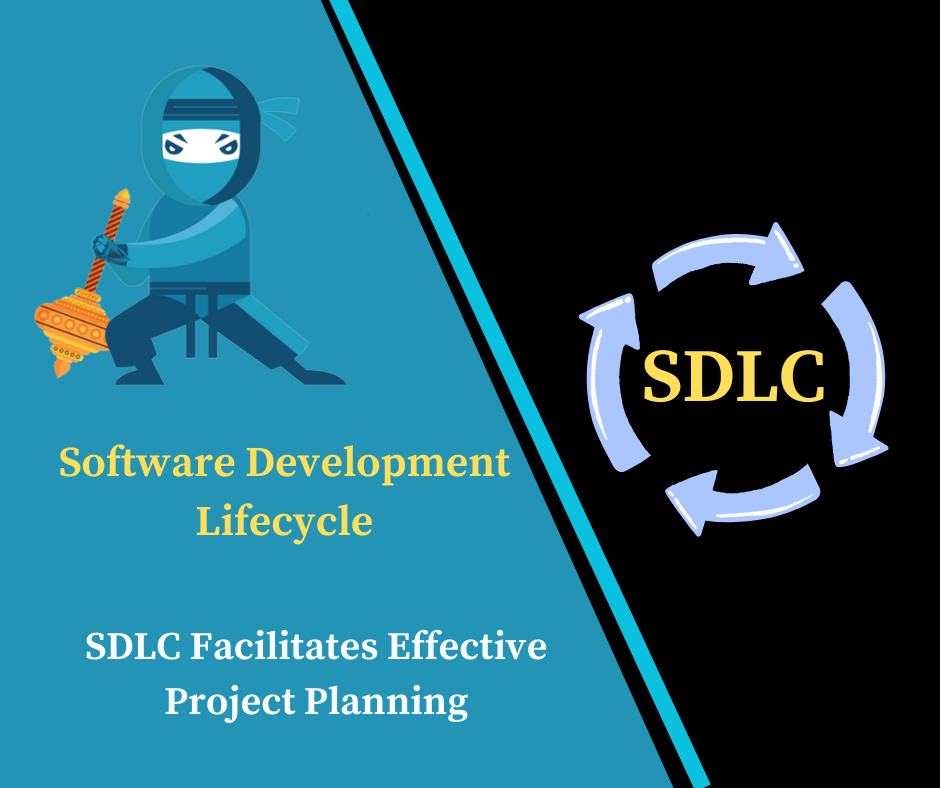
Software Development Lifecycle (SDLC) is a structured process for software development teams to follow, ensuring software is created with high quality, on time, and within budget. This cycle encompasses planning, creation, testing, deployment, and maintenance of software.

SDLC outlines a series of steps software developers follow to design, develop, test, and deploy software efficiently. Each phase in the SDLC has its unique process and deliverables.

what is the Software Development Lifecycle (SDLC)

Software Development Lifecycle (SDLC) refers to the process or methodology used by software development teams to design, develop, test, deploy, and maintain software applications. It provides a structured approach to software development, ensuring that projects are completed efficiently, on time, and within budget, while meeting the required quality standards.

 Also read: What Is Content Management Systems

Stages of the Software Development Life Cycle (SDLC)

1. Requirements Gathering and Analysis

This stage involves gathering requirements from stakeholders, users, and other sources. The goal is to understand what the software should accomplish and define its functional and non-functional requirements. Requirements are documented in detail to ensure clarity and to serve as a foundation for the next stages.

Activities:

1. Conducting interviews and workshops with stakeholders.

2. Analyzing existing systems (if applicable).

3. Documenting requirements in a Requirements Specification document.

2. Planning:

The planning phase involves outlining the project scope, defining the timeline, allocating resources, and creating a project plan. Project managers and team leads determine tasks, milestones, and deliverables for each phase of the Software Development Lifecycle.

Activities:

1. Defining project goals and objectives.

2. Creating a project schedule and timeline.

3. Allocating resources (human, financial, and technological).

3. Design

 In the design phase, the software architecture is developed based on the requirements gathered. This phase involves designing the overall structure of the software, including databases, user interfaces, application modules, and system interfaces.

Activities:

1. Creating architectural design diagrams (e.g., UML diagrams).

2. Designing database schema and data models.

3. Designing user interface (UI) and user experience (UX).

4. Creating prototypes or mockups for visualization.

4. Testing

Testing is a critical phase where the software is tested thoroughly to identify and fix defects or issues before it is released to users. activities include various levels such as unit testing, integration testing, system testing, and user acceptance testing (UAT). The goal is to ensure the software meets quality standards and performs as expected.

Activities:

1. Developing test plans and test cases based on requirements.

2. Performing different types of testing (e.g., functional, performance, security).

3. Reporting and fixing bugs identified during testing.

5. Deployment 

Deployment involves making the software available for users in a production environment. It includes activities such as installation, configuration, and setup of the software system. Deployment planning ensures a smooth transition from development to operations.

Activities:

1. Creating deployment plans and schedules.

2. Installing and configuring the software on production servers.

3. Conducting user training and providing documentation.

6. Maintenance

Once the software is deployed, it enters the maintenance phase where it is maintained and supported throughout its lifecycle. This phase includes fixing bugs reported by users, making enhancements or updates to the software, and ensuring it continues to meet user needs.

Activities:

1. Providing technical support to users.

2. Monitoring and optimizing software performance.

3. Implementing patches, updates, and new features as required.

7. Development

The development phase is where the actual coding and programming of the software take place. Developers write code according to the design specifications and coding standards defined in earlier phases. This phase also includes unit testing to verify individual components.

Activities:

1. Writing code in the chosen programming languages (e.g., Java, Python, C++).

2. Implementing features and functionalities based on design documents.

Software Development Life Cycle (SDLC) models

Software Development Lifecycle

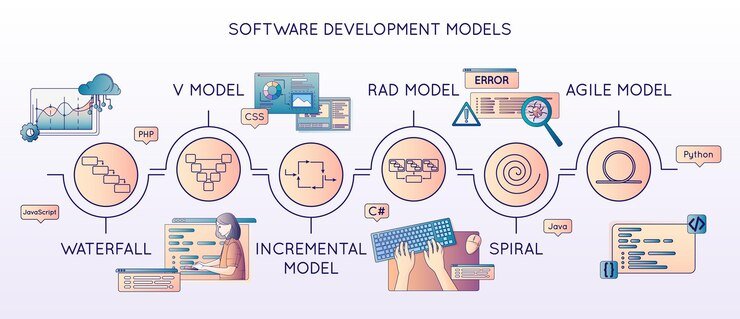
1. Waterfall Model

The Waterfall model is a linear and sequential approach to software development. It progresses through distinct phases, including Requirements Analysis, Design, Implementation, Testing, Deployment, and Maintenance. Each phase must be completed before moving on to the next, making it rigid and less adaptable to changes once development has started.

2.  Agile Model

The Agile model is an iterative and incremental approach to software development. It emphasizes flexibility, collaboration, and customer feedback throughout the development process. Agile methods involve iterative cycles (sprints) of planning, development, testing, and review, allowing for continuous improvement and adaptation to changing requirements.

3. Spiral Model

The Spiral model combines elements of the Waterfall model and iterative development. It allows for incremental releases of the product, with each iteration (or spiral) encompassing risk assessment, planning, engineering, and evaluation. The Spiral model emphasizes early identification and mitigation of risks through iterative refinement.

4. DevOps Model

DevOps is a cultural and operational approach that bridges the gap between development (Dev) and operations (Ops). It aims to automate and integrate the processes between software development, IT operations, and quality assurance (QA) teams. DevOps promotes continuous integration, continuous delivery (CI/CD), and continuous monitoring to achieve faster development cycles, improved deployment frequency, and more reliable releases.

5. V-Model (Verification and Validation Model)

The V-Model is an extension of the Waterfall model that emphasizes the verification and validation of each phase of development. It pairs each development stage with a corresponding testing phase, forming a V-shaped structure. This model ensures that testing activities are integrated throughout the entire SDLC.

6. Incremental Model

The Incremental model divides the development of software into smaller, manageable segments or increments. Each increment builds upon previous functionality, allowing for incremental development, testing, and deployment. This model enables early delivery of partial functionality and is useful for projects where requirements are not fully known upfront.

7. RAD Model (Rapid Application Development Model)

The RAD model is focused on rapid prototyping and iterative development of software. It emphasizes an accelerated development cycle, where prototypes are quickly developed and reviewed by stakeholders. RAD promotes user feedback and iterative refinements to deliver software rapidly and efficiently.

FAQ:

Why is the Software Development Lifecycle important?

Software Development Lifecycle ensures structured development, reduces risks, improves collaboration, and delivers high-quality software.

What are the different Software Development Lifecycle models?

Common models include Waterfall, Agile, Spiral, and DevOps, each with its approach to development phases.

How does the Software Development Lifecycle help manage project risks?

By defining clear phases and deliverables, SDLC helps identify and mitigate risks early in the development process.

Conclusion

The Software Development Lifecycle (SDLC) provides a systematic framework for developing software applications. By following the Software Development Lifecycle SDLC phases—planning, analysis, design, development, testing, deployment, and maintenance—teams can ensure efficient project management, high-quality deliverables, and customer satisfaction. Understanding Software Development Lifecycle SDLC models and adapting them to project requirements is crucial for successful software development in today’s dynamic environments.

Book  a consultation with us