


HanuiT Solutions

Email Marketing-HanuiT solutions

How Can Email Marketing Boost E-Commerce Revenue?

How Can Email Marketing Boost E-commerce Revenue?

Email marketing remains one of the most effective tools in an e-commerce business’s arsenal for driving revenue. With its ability to reach customers directly and provide personalized content, email marketing can significantly influence purchase decisions, foster customer loyalty, and increase overall sales.

In this article, we’ll explore how email marketing can boost e-commerce revenue, focusing on strategies and best practices that can maximize its impact.

Why Email Marketing Matters for E-Commerce

1. Direct Communication with Customers

Unlike social media or SEO, email marketing provides a direct line of communication between businesses and their customers. Emails land directly in the customer’s inbox, allowing businesses to send personalized and targeted messages without competing for attention. This is crucial in an era where customers are constantly bombarded with advertisements and notifications.

2. High ROI

According to research, email marketing delivers one of the highest returns on investment (ROI) among all digital marketing strategies, with an average return of $36 for every $1 spent. The key to this success is the ability to send personalized, data-driven messages that resonate with recipients, encouraging them to make a purchase.

3. Automation and Personalization

With tools like email automation and segmentation, businesses can tailor their campaigns to specific customer behaviors and preferences. By sending the right message at the right time, email marketing can significantly increase conversion rates and encourage repeat purchases. For example, abandoned cart emails remind customers about products they left behind, while personalized product recommendations based on past purchases can boost sales.

Key Strategies for Using Email Marketing to Boost Revenue

1. Build a Quality Email List

The foundation of any successful email marketing campaign is a well-curated email list. Quality is more important than quantity. Focus on collecting email addresses from customers who are genuinely interested in your products or services. Some strategies to build a quality list include offering incentives like discounts or exclusive content in exchange for email sign-ups.

Use double opt-in methods to ensure that the subscribers are genuinely interested. This can improve open and engagement rates, leading to higher conversion rates.

Also read: How Can Compressing Images & Files Boost Website Speed?

2. Segment Your Audience

Audience segmentation involves dividing your email list into smaller groups based on various factors like demographics, purchase history, or browsing behavior. This allows you to send targeted and relevant content to each group, increasing the chances of engagement and conversions.

For example:

New customers: Send a welcome email series to introduce them to your brand.

Returning customers: Offer special deals or recommend products based on previous purchases.

Cart abandoners: Use abandoned cart emails to encourage users to complete their purchases.

3. Craft Engaging Content

The content of your emails needs to be engaging, valuable, and tailored to your audience’s preferences. This includes catchy subject lines, clear and concise messaging, compelling visuals, and a strong call-to-action (CTA). The tone and style should reflect your brand and speak directly to your audience.

Here are some content ideas for e-commerce emails:

Product recommendations: Send personalized product suggestions based on previous purchases or browsing behavior.

Exclusive discounts: Create a sense of urgency by offering time-limited discounts.

Seasonal promotions: Align your offers with seasonal trends to increase relevancy.

4. Automate Email Campaigns

Automation is a powerful tool in email marketing, allowing businesses to send timely, personalized emails without manual intervention. Here are some automated emails that can boost e-commerce revenue:

Welcome emails: Automatically send a welcome email series to new subscribers. These emails can include an introduction to your brand, product recommendations, and a special discount code.

Abandoned cart emails: Remind customers who have added items to their cart but haven’t completed the purchase. Offering a discount in these emails can further incentivize conversion.

Re-engagement emails: Target inactive subscribers with a special offer or exclusive content to re-engage them.

Post-purchase emails: Thank customers for their purchases, provide shipping updates, and suggest complementary products to increase the chances of repeat purchases.

5. Track and Analyze Performance

To improve the effectiveness of your email marketing campaigns, it’s essential to track key performance indicators (KPIs) like open rates, click-through rates, and conversion rates. This data provides insights into what’s working and what needs improvement.

Regular A/B testing of subject lines, email content, and CTAs can help you optimize your campaigns and maximize revenue. Use the data to refine your strategy and focus on the tactics that deliver the best results.

Benefits of Email Marketing for E-Commerce

1. Increased Customer Retention

Email marketing helps maintain regular communication with your customers, keeping your brand top of mind. Whether it’s a simple thank-you email after a purchase or a reminder about an abandoned cart, these interactions foster loyalty and encourage repeat business.

2. Personalized Shopping Experience

Personalization is key in today’s e-commerce landscape. By leveraging customer data like browsing history and purchase behavior, businesses can create tailored email campaigns that speak directly to individual preferences, increasing the likelihood of a purchase.

3. Boost in Average Order Value (AOV)

Email marketing can encourage customers to spend more through upselling and cross-selling strategies. For example, post-purchase emails can suggest complementary products, while cart abandonment emails can offer incentives like free shipping or discounts on larger purchases.

4. Nurturing Customer Relationships

Regular email communication allows you to build relationships with your customers over time. By sending them relevant content, product updates, and exclusive offers, you create a sense of connection and trust that can turn one-time buyers into loyal, repeat customers.

FAQs

How often should I send emails to my customers?

It depends on your audience and the nature of your business. A general rule of thumb is to send emails 1-2 times per week. However, it’s essential to strike a balance between staying top of mind and avoiding spamming your customers. Test different frequencies and monitor engagement rates to find the sweet spot.

What type of content works best for e-commerce emails?

Product recommendations, exclusive discounts, abandoned cart reminders, and seasonal promotions tend to perform well. Personalization is key, so tailor your content to your audience’s preferences and behavior.

How can I increase my email open rates?

To boost open rates, focus on writing compelling subject lines and ensure that your emails are sent at optimal times. Personalization and segmentation can also improve open rates by making your emails more relevant to each recipient.

Can I use email marketing to attract new customers?

While email marketing is primarily a tool for nurturing existing leads, you can attract new customers by offering sign-up incentives, like discounts or exclusive content. Additionally, collecting email addresses through social media campaigns or paid ads can expand your list.

What tools can I use to automate my email marketing?

Popular email marketing platforms like Mailchimp, Klaviyo, and ActiveCampaign offer automation features that allow you to send personalized, timed emails based on customer behavior. These tools also provide analytics to help you track campaign performance.

Conclusion

Email marketing is an essential tool for e-commerce businesses seeking to increase revenue. With its ability to deliver personalized, direct communication, it enhances customer engagement, boosts conversion rates, and fosters long-term loyalty. By leveraging key strategies like audience segmentation, automation, and personalized content, businesses can create highly targeted campaigns that resonate with their audience. As one of the most cost-effective marketing channels, email marketing helps drive sales, increase average order value, and nurture lasting customer relationships, ultimately playing a crucial role in e-commerce growth.
if you need any help with Email Marketing then contact us
Upselling & Cross-Selling-HanuiT solutions

How to Upselling & Cross-Selling for E-Commerce Growth?

How to Upselling & Cross-Selling for E-Commerce Growth?

In the fast-paced world of e-commerce, driving more revenue from every transaction is a critical strategy for growth. Two proven techniques that help maximize profitability are Upselling & Cross-Selling. Both methods encourage customers to spend more while improving their shopping experience, making them essential tools for any eCommerce business. In this article, we will explore upselling and cross-selling, why they are vital for eCommerce growth, and how to implement them effectively.

What is Upselling?

Upselling is offering a customer a more expensive or enhanced version of the product they are already considering. The key here is introducing products with additional features, higher quality, or greater benefits, thereby adding value to the customer’s purchase decision.

For example, if a customer is interested in purchasing a laptop with basic specifications, you could upsell by recommending a model with better features such as more RAM, faster processing power, or additional storage. This increases the customer’s total spend while enhancing their shopping experience.

What is Cross-Selling?

Cross-selling refers to the practice of suggesting complementary or related products that enhance the customer’s original purchase. The goal of cross-selling is not to replace the primary product but to offer additional items that complete or improve the customer’s experience.

A common example of cross-selling is when a customer adds a smartphone to their cart, and the online store recommends items like phone cases, screen protectors, or headphones. These items are related to the initial purchase and add value by offering a more complete product solution.

 Also read: How to Increase Conversion Rates Tips for E-Commerce Success

Why are Upselling & Cross-Selling Important for eCommerce Growth?

Upselling & Cross-Selling are essential to increasing both revenue and customer satisfaction. Here’s why these techniques are so valuable:

Increased Average Order Value (AOV):
By encouraging customers to spend more on each transaction, upselling and cross-selling boost your Average Order Value (AOV). This means higher revenue without needing to acquire new customers.

Improved Customer Experience:
When done correctly, upselling and cross-selling can improve the customer’s shopping experience by offering them better, more comprehensive solutions that meet their needs more effectively.

Higher Customer Retention Rates:
Satisfied customers are more likely to return. By offering products that enhance their original purchase or solve additional problems, you build trust and increase the likelihood of repeat business.

Optimized Product Visibility:
Cross-selling is a great way to highlight products that customers might not have considered. By showcasing complementary items, you increase the visibility and sales of products that may not move as quickly on their own.    Also read: How Can You Optimize Website Speed & Improve User Experience

Best Practices for Effective Upselling & Cross-Selling

1. Understand Your Customers’ Needs

Knowing your customers is key to effective Upselling & Cross-Selling. Use data analytics tools to gather insights into customer behavior, preferences, and purchase history. This will allow you to make personalized recommendations that feel relevant, rather than pushing random products that might overwhelm or annoy customers.

2. Focus on Value, Not Just Price

When upselling, focus on the value of the higher-priced item rather than just the price difference. Customers will be more inclined to upgrade if they see clear benefits, such as increased durability, enhanced features, or long-term savings. For example, instead of simply showing a more expensive laptop, explain how the upgraded version will help the customer work faster and more efficiently.

3. Use Timing Wisely

Timing is everything when presenting upsell or cross-sell opportunities. The checkout process is one of the best times to offer product upgrades or complementary items, as customers are already in the mindset of making a purchase. You can also introduce these offers during product viewing or immediately after a customer adds an item to their cart.

4. Offer Bundles and Discounts

Cross-selling is more effective when it includes value-added offers, such as product bundles or discounts. For instance, if a customer is buying a laptop, offering a bundle that includes a laptop case, mouse, and external hard drive at a discounted price is more enticing than offering each item separately. Customers perceive bundles as convenient and cost-saving, making them more likely to complete the purchase.

5. Limit the Number of Suggestions

Avoid overwhelming your customers with too many options. Limit your upsell or cross-sell offers to 1-3 products that are highly relevant to their purchase. This reduces decision fatigue and increases the likelihood of conversion.

6. Leverage Product Reviews and Social Proof

When presenting an upsell or cross-sell option, include customer reviews and testimonials to show that others have benefited from the products. Social proof builds trust and helps convince customers that upgrading or adding a complementary product is a wise choice.

7. Post-Purchase Cross-Selling

The relationship with the customer doesn’t end after they make a purchase. Follow up with post-purchase emails to suggest complementary products that they may have missed during checkout. For example, if someone buys a camera, you could suggest lenses, memory cards, or carrying cases in a follow-up email.

Tools and Technologies for Upselling & Cross-Selling

AI-Powered Recommendations

AI tools help eCommerce businesses make personalized upsell and cross-sell recommendations based on customer behavior and preferences. These tools analyze previous purchases, browsing habits, and cart data to deliver relevant suggestions in real-time.

Pop-Ups and In-Cart Suggestions

Adding pop-ups or in-cart product recommendations can help gently nudge customers toward adding more items to their orders. Just be sure that these suggestions are relevant and non-intrusive.

Automated Email Campaigns

Use email automation tools to send post-purchase cross-sell emails. These campaigns can introduce customers to new products or remind them about related items they might have overlooked during their initial purchase.

FAQs

What is the main difference between upselling and cross-selling?

Upselling encourages customers to buy a more expensive or upgraded version of the product they are considering, while cross-selling suggests complementary products to enhance the customer’s main purchase.

How can I ensure my upselling and cross-selling strategies don’t annoy customers?

To avoid annoying your customers, focus on offering personalized, relevant suggestions. Limit the number of options you present and ensure the timing is right—such as during checkout or after the customer has shown interest in a particular product.

Should I use discounts to encourage cross-selling?

Yes, offering discounts or creating product bundles can be a powerful way to encourage cross-selling. Customers are more likely to purchase related items when they feel they’re getting a good deal.

Can upselling and cross-selling work for small e-commerce businesses?

Absolutely. Whether your eCommerce business is large or small, upselling and cross-selling can increase revenue and improve customer satisfaction. For small businesses, it’s important to focus on personalization and to use customer data to make strategic recommendations.

How do I track the effectiveness of my upselling and cross-selling strategies?

Use analytics tools to track metrics such as conversion rates, Average Order Value (AOV), and Customer Lifetime Value (CLTV). These metrics will help you gauge the effectiveness of your upselling and cross-selling efforts.

What is the ideal time to offer upsell and cross-sell suggestions?

The best times are during the checkout process, on product detail pages, or after a customer adds an item to their cart. You can also send post-purchase emails with cross-sell suggestions to encourage repeat purchases.

Conclusion

Upselling & Cross-Selling are essential strategies for driving e-commerce growth. When done correctly, they not only boost revenue but also enhance the customer experience. By focusing on personalization, offering value, and leveraging tools like AI and automated emails, you can implement these techniques effectively and see tangible results in your eCommerce business.

if you need any help with your product Sales Page? then contact us 
Email Marketing- HanuiT solutions

How Email Marketing Transformed a Solar Panel Company Sales

How Email Marketing Transformed a Solar Panel Company’s Sales

Email marketing has long been a powerful tool for businesses across various industries, but its impact on niche sectors like the solar panel industry can be especially transformative. This article delves into how email marketing revitalized a solar panel company’s sales strategy, transforming its customer engagement and revenue generation.

The Solar Panel Industry Landscape

The solar panel industry has seen significant growth in recent years due to increasing awareness of climate change, advancements in technology, and favorable government policies. However, it’s also a highly competitive market with a diverse range of players, from large corporations to local installers. In such a crowded space, standing out and capturing potential customers’ attention can be a significant challenge.

The Challenge

One solar panel company, let’s call it SolarTech Innovations, faced a common issue: despite having a high-quality product and competitive pricing, they struggled to convert leads into actual sales. Their initial marketing efforts included traditional methods like print ads, trade shows, and a basic website, but these were not yielding the desired results. SolarTech Innovations needed a more effective strategy to engage potential customers and drive sales.

The Solution: Embracing Email Marketing

Recognizing the potential of email marketing, SolarTech Innovations decided to integrate it into its overall marketing strategy. Here’s how email marketing played a pivotal role in transforming their sales:

1. Building a Targeted Email List

The first step was to build a high-quality, targeted email list. SolarTech Innovations focused on gathering contacts from various sources:

Website Integration: SolarTech Innovations enhanced its website with strategically placed email sign-up forms. They offered valuable incentives, such as a free solar consultation or an informative eBook on solar energy benefits, to encourage sign-ups.

Event-Based Collection: They collected email addresses through webinars, trade shows, and local events, engaging attendees with relevant information about solar technology.

Partnerships and Referrals: Collaborating with complementary businesses and leveraging referrals helped them grow their email list with quality leads

2. Crafting Targeted and Personalized Content

Once they had a substantial email list, SolarTech Innovations focused on creating personalized and relevant content for their subscribers. This involved segmenting their email list based on factors like:

Customer Categories: They segmented their email list based on customer types (residential vs. commercial) and stages in the buying process (leads vs. existing customers).

Interest-Based Groups: By analyzing subscriber behavior and preferences, they tailored content to address specific interests, such as energy savings or technological advancements.

 Also read: Turning Solar Leads into Customers: A Marketing Case Study

Content Types:

Educational Newsletters: Regular newsletters provided insights into solar technology, industry trends, and energy-saving tips.

Exclusive Offers and Promotions: Targeted emails with special offers, discounts, and limited-time promotions were sent to drive conversions.

Success Stories and Case Studies: Highlighting successful installations and customer testimonials built credibility and demonstrated the tangible benefits of their products.

3. Automating Campaigns

To streamline their efforts and ensure timely communication, SolarTech Innovations implemented email automation. This included:

Welcome Series: Automatically send a series of emails to new subscribers introducing them to the company, its products, and its value proposition.

Nurture Sequences: Developing a series of emails designed to educate and engage leads over time, guiding them through the sales funnel.

Follow-Up Reminders: Sending automated follow-ups to leads who had shown interest but hadn’t yet made a purchase.

4. Analyzing and Optimizing Performance

A crucial aspect of their email marketing strategy was continuous analysis and optimization. SolarTech Innovations tracked key metrics such as open rates, click-through rates, and conversion rates. They used this data to:

Refine Content: Adjusting email content based on what resonated most with their audience.

A/B Testing: Experiment with different subject lines, layouts, and calls to action to determine what drove the best results.

Feedback Loop: Gathering feedback from subscribers to understand their preferences and improve future campaigns.

The Results

The implementation of a robust email marketing strategy yielded impressive results for SolarTech Innovations:

Increased Engagement: Their email open rates and click-through rates saw a significant increase, indicating that their content was resonating with their audience.

Higher Conversion Rates: By nurturing leads through targeted email campaigns, SolarTech Innovations was able to convert a higher percentage of leads into paying customers.

Enhanced Customer Loyalty: Personalized communication and follow-up campaigns helped build stronger relationships with existing customers, leading to repeat business and referrals.

Revenue Growth: The combination of improved engagement, conversion rates, and customer retention resulted in a substantial increase in sales and revenue.

FAQ

What is email marketing?

Email marketing is a digital marketing strategy that involves sending emails to potential and existing customers to promote products, services, or content. It is used for various purposes, including lead generation, customer engagement, and retention.

How does email marketing benefit businesses?

Email marketing benefits businesses by providing a cost-effective way to reach a targeted audience, nurture leads, and build customer relationships. It allows for personalized communication, which can lead to higher engagement and conversion rates.

How can a solar panel company use email marketing effectively?

A solar panel company can use email marketing effectively by building a targeted email list, creating personalized content, automating campaigns, and continuously analyzing performance. This approach helps engage potential customers, nurture leads, and ultimately drive sales.

What types of emails should a solar panel company send?

A solar panel company should send various types of emails, including educational newsletters, exclusive offers, case studies, and automated follow-ups. Tailoring content to different customer segments can enhance relevance and effectiveness.

How can a company measure the success of its email marketing campaigns?

The success of email marketing campaigns can be measured using metrics such as open rates, click-through rates, conversion rates, and overall revenue generated. Analyzing these metrics helps businesses understand what works and where improvements can be made.

Conclusion

Email marketing has proven to be a game-changer for SolarTech Innovations, transforming their sales strategy and driving significant growth. By building a targeted email list, crafting personalized content, automating campaigns, and continuously optimizing their approach, they have achieved remarkable results. For businesses in the solar panel industry—and beyond—email marketing offers a powerful tool for engaging customers and driving sales.

if you need any help with Digital Marketing then contact us
Digital Marketing- HanuiT solutions

How Digital Marketing Boosted Solar Panel Sales by 70%

How Digital Marketing Boosted Solar Panel Sales by 70%

In today’s competitive business landscape, companies are increasingly turning to digital marketing to drive growth and increase sales. One such success story comes from a solar panel company that leveraged digital marketing to boost its sales by an impressive 70%. This case study highlights the strategies used, the challenges faced, and the key takeaways that can be applied to other businesses aiming to harness the power of digital marketing.

Digital marketing has become an essential tool for businesses looking to thrive in the modern marketplace. By leveraging a variety of online channels, companies can effectively reach their target audience, build brand awareness, and convert leads into customers. In this case, the solar panel company implemented a multifaceted digital marketing strategy, focusing on Search Engine Optimization (SEO), Pay-Per-Click (PPC) advertising, content marketing, social media marketing, email marketing, and influencer partnerships. These tactics were carefully selected to align with the company’s goals and target audience, leading to a substantial increase in both visibility and sales.

The Challenge: A Saturated Market

The solar energy industry has seen significant growth in recent years, leading to increased competition. For this particular company, the challenge was twofold: standing out in a saturated market and reaching potential customers who were often unaware of the benefits of solar energy. Traditional marketing methods, such as print ads and direct mail, were proving ineffective in reaching a tech-savvy audience. The company needed a more targeted approach to connect with potential customers and educate them on the advantages of solar panels.

The Strategy: Leveraging Digital Marketing

To address these challenges, the company decided to invest in a comprehensive digital marketing strategy. The focus was on reaching a broader audience, increasing brand awareness, and driving conversions. The following tactics were employed:

Search Engine Optimization (SEO): The company optimized its website and content to rank higher in search engine results pages (SERPs) for relevant keywords such as “solar panels,” “renewable energy,” and “solar energy solutions.” By improving its SEO, the company was able to attract organic traffic from users actively searching for solar energy solutions.

Pay-Per-Click (PPC) Advertising: The company launched targeted PPC campaigns on Google Ads and social media platforms. These ads were designed to capture the attention of users interested in renewable energy and direct them to the company’s landing pages. The PPC campaigns were carefully monitored and optimized to maximize return on investment (ROI).

Content Marketing: The company created high-quality, informative content that addressed common questions and concerns about solar energy. Blog posts, case studies, and whitepapers were published regularly to engage potential customers and establish the company as an authority in the solar energy industry. This content was also shared across social media channels to increase visibility and drive traffic to the website.

Social Media Marketing: Recognizing the power of social media in reaching a diverse audience, the company developed a strong presence on platforms such as Facebook, Instagram, and LinkedIn. Regular posts, interactive content, and customer testimonials were used to build trust and engage with followers. Paid social media campaigns further expanded their reach.

Email Marketing: The company implemented an email marketing campaign to nurture leads and keep existing customers engaged. Personalized emails with relevant content, special offers, and updates on solar technology were sent to subscribers. This helped to maintain interest and encourage repeat business.

Influencer Marketing: The company partnered with renewable energy and environmental influencers to promote their products. These influencers created content showcasing solar panels’ benefits and encouraged their followers to consider switching to solar energy.

How Custom Web Design Boosts Your Local Solar Panel Business

The Results: A 70% Increase in Sales

Within six months of implementing the digital marketing strategy, the company saw a 70% increase in sales. The key metrics that contributed to this success included:

Increased Website Traffic: The combination of SEO, PPC, and content marketing led to a significant increase in website traffic. Organic traffic from search engines saw a 50% rise, while paid traffic from PPC campaigns increased by 40%.

Higher Conversion Rates: The optimized landing pages and targeted PPC ads resulted in a higher conversion rate, with a 30% increase in inquiries and requests for quotes.

Improved Brand Awareness: The social media campaigns and influencer partnerships helped to raise brand awareness and establish the company as a leader in the solar energy industry. Social media followers increased by 60%, and engagement rates were consistently high.

Enhanced Customer Retention: The email marketing campaigns were particularly effective in retaining existing customers and encouraging repeat purchases. The company saw a 25% increase in customer retention rates.

Key Takeaways

The success of this solar panel company underscores the importance of a well-rounded digital marketing strategy. Here are some key takeaways for businesses looking to replicate this success:

Invest in SEO: Optimizing your website for search engines is crucial for attracting organic traffic. Focus on relevant keywords and ensure your content is valuable and informative.

Leverage PPC Advertising: Paid advertising can be highly effective when targeting specific audiences. Monitor and adjust your campaigns regularly to maximize ROI.

Create High-Quality Content: Content marketing is a powerful tool for educating potential customers and building trust. Provide valuable information that addresses the needs and concerns of your audience.

Engage on Social Media: A strong social media presence can significantly boost brand awareness and customer engagement. Use a mix of organic and paid strategies to reach a wider audience.

Utilize Email Marketing: Email marketing remains one of the most effective ways to nurture leads and retain customers. Personalize your emails and provide content that resonates with your subscribers.

Consider Influencer Partnerships: Collaborating with influencers can amplify your message and reach a broader audience. Choose influencers whose values align with your brand.

FAQ

What is digital marketing?

Digital marketing refers to the use of online channels and tools to promote products or services. It includes tactics such as SEO, PPC advertising, content marketing, social media marketing, and email marketing.

How does SEO contribute to increased sales?

SEO helps improve the visibility of your website in search engine results, leading to more organic traffic. Higher traffic can result in more inquiries and conversions, ultimately boosting sales.

Why is content marketing important?

Content marketing allows you to provide valuable information to your audience, build trust, and position your brand as an authority in your industry. Engaging content can attract potential customers and drive them to take action.

What role does social media play in digital marketing?

Social media is a powerful tool for reaching a diverse audience, engaging with followers, and building brand awareness. It also allows for targeted advertising, which can increase conversions.

How can email marketing improve customer retention?

Email marketing keeps your brand top-of-mind for existing customers. By providing relevant content, special offers, and updates, you can encourage repeat business and build long-term relationships.

What is PPC advertising, and how does it work?

PPC (Pay-Per-Click) advertising is a digital marketing model where advertisers pay a fee each time their ad is clicked. It allows for targeted advertising, where ads are shown to users based on their interests or search queries.

Can influencer marketing make a difference?

Yes, influencer marketing can be highly effective, especially when the influencer has a strong following in your target market. Their endorsement can build trust and encourage their followers to consider your products or services.

Conclusion

Digital marketing has proven to be a game-changer for businesses across various industries. The 70% increase in solar panel sales achieved by this company highlights the potential of a well-executed digital marketing strategy. By focusing on SEO, PPC, content marketing, social media, email marketing, and influencer partnerships, businesses can not only boost sales but also build lasting relationships with their customers.

if you need any help with Digital Marketing then contact us
Business Growth- HanuiT solutions

Achieving Better ROI: Best Practices for Business Growth

Achieving Better ROI: Best Practices for Business Growth

In today’s competitive market, achieving better Return on Investment (ROI) is essential for sustainable business growth. ROI is not just a financial metric; it reflects how effectively a business utilizes its resources to generate profit. With the right strategies, companies can optimize their ROI, ensuring they grow steadily and achieve their long-term goals. This article explores best practices that can help businesses enhance their ROI, fostering sustainable growth.

Understanding ROI and Its Importance

Return on Investment (ROI) is a performance measure used to evaluate the efficiency or profitability of an investment. It is calculated by dividing the net profit from an investment by the cost of the investment. ROI is a critical metric for businesses as it helps them assess the success of their investments, whether in marketing, technology, or human resources.

For business growth, improving ROI means making smarter decisions about where to allocate resources. High ROI indicates that the business is getting a good return on its investments, which is a key driver of growth. On the other hand, a low ROI suggests that the business may need to re-evaluate its strategies to ensure resources are being used effectively.

Best Practices for Achieving Better ROI

1. Focus on Customer Retention

One of the most effective ways to improve ROI is by focusing on customer retention. Acquiring new customers is often more expensive than retaining existing ones. Loyal customers not only provide repeat business but are also more likely to recommend your products or services to others, leading to organic growth.

To enhance customer retention, businesses should invest in excellent customer service, loyalty programs, and personalized marketing strategies. Regularly engaging with customers through follow-up emails, special offers, and feedback surveys can also strengthen customer relationships, leading to higher retention rates and, consequently, better ROI.

 Also read: Top Tips to Enhance ROI on Your Marketing Campaigns

2. Optimize Marketing Strategies

Marketing is a significant area where businesses can either gain or lose ROI. To maximize the effectiveness of marketing efforts, businesses should focus on targeted marketing strategies. This involves understanding your target audience, segmenting your market, and crafting personalized marketing messages that resonate with each segment.

Utilizing data analytics can help businesses track the performance of their marketing campaigns in real-time. By analyzing metrics such as conversion rates, click-through rates, and customer acquisition costs, businesses can fine-tune their strategies to improve ROI. Additionally, investing in content marketing, search engine optimization (SEO), and social media marketing can drive more qualified leads to your business, boosting growth and ROI.

3. Invest in Employee Development

Employees are one of the most valuable assets for any business. Investing in employee development not only enhances their skills but also increases their productivity, leading to better business outcomes. Training programs, workshops, and continuous learning opportunities can equip employees with the necessary skills to perform their roles more effectively.

Moreover, fostering a positive work environment and offering competitive compensation can improve employee satisfaction and reduce turnover rates. When employees are motivated and engaged, they contribute more to the business, leading to higher efficiency and, ultimately, better ROI.

 Also read: Why Your ROI is Falling Short (And How to Fix It)

4. Streamline Operations

Operational inefficiencies can significantly impact ROI. Streamlining operations by automating repetitive tasks, optimizing supply chains, and improving workflow processes can lead to cost savings and increased productivity. Businesses should regularly review their operations to identify bottlenecks and areas for improvement.

Implementing technologies such as Enterprise Resource Planning (ERP) systems or Customer Relationship Management (CRM) software can also enhance operational efficiency. These tools provide real-time data and insights, enabling businesses to make informed decisions quickly, thereby improving ROI and supporting business growth.

5. Leverage Technology and Innovation

In the digital age, leveraging technology is crucial for achieving better ROI. Investing in the right technology can help businesses automate processes, reduce costs, and improve customer experiences. For example, adopting e-commerce platforms, mobile apps, or cloud-based solutions can open up new revenue streams and improve operational efficiency.

Innovation is also key to staying ahead of the competition. Businesses should continuously explore new ways to improve their products, services, and processes. Whether it’s through research and development, adopting new technologies, or entering new markets, innovation drives growth and enhances ROI.

6. Measure and Analyze Performance

Regularly measuring and analyzing business performance is essential for improving ROI. Key Performance Indicators (KPIs) such as profit margins, customer lifetime value, and operational costs should be closely monitored. Businesses should use data analytics to gain insights into what is working and what isn’t.

By understanding the factors that contribute to high or low ROI, businesses can make informed decisions about where to invest their resources. Continuous performance monitoring allows businesses to stay agile, making necessary adjustments to strategies in real time to optimize growth and ROI.

FAQs

What is the role of ROI in business growth?

ROI plays a crucial role in business growth by helping businesses evaluate the effectiveness of their investments. High ROI indicates that a business is using its resources efficiently to generate profit, which is essential for sustainable growth.

How can customer retention improve ROI?

Customer retention improves ROI by reducing the costs associated with acquiring new customers. Loyal customers provide repeat business and often refer others to the business, leading to organic growth and better ROI.

Why is it important to optimize marketing strategies?

Optimizing marketing strategies is important because it ensures that marketing efforts are targeted and effective. By focusing on the right audience and using data-driven insights, businesses can maximize their marketing ROI and drive growth.

important to optimize marketing strategies?

Employee development impacts ROI by increasing employee productivity and satisfaction. Well-trained and motivated employees contribute more to the business, leading to higher efficiency and better ROI.

What are some ways to streamline operations?

Some ways to streamline operations include automating repetitive tasks, optimizing supply chains, and improving workflow processes. Implementing technologies such as ERP or CRM systems can also enhance operational efficiency, leading to better ROI.

How can businesses leverage technology for better ROI?

Businesses can leverage technology for better ROI by adopting tools and platforms that automate processes, reduce costs, and improve customer experiences. Innovation and the adoption of new technologies are also crucial for staying competitive and driving growth.

Conclusion

Achieving better ROI is essential for business growth. By focusing on customer retention, optimizing marketing strategies, investing in employee development, streamlining operations, leveraging technology, and continuously measuring performance, businesses can enhance their ROI. These best practices not only improve profitability but also set the stage for sustainable growth, ensuring long-term success in a competitive market. Incorporating these strategies will help businesses make informed decisions, allocate resources more effectively, and ultimately achieve better ROI. As businesses grow and evolve, maintaining a focus on ROI will ensure they remain on the path to success.

if you need any help with your ROI ? then contact us 
Marketing Campaigns- HanuiT solutions

Top Tips to Enhance ROI on Your Marketing Campaigns

Top Tips to Enhance ROI on Your Marketing Campaigns

Improving the return on investment (ROI) for your marketing campaigns is crucial for any business aiming to maximize revenue and efficiency. With the ever-increasing competition in the digital landscape, it’s essential to ensure that every dollar spent on marketing contributes positively to your bottom line. In this article, we’ll explore top tips to enhance ROI on your marketing campaigns, focusing on strategies that can boost performance and deliver better results.

1. Define Clear and Measurable Objectives

The first step in enhancing ROI on your marketing campaigns is to set clear, specific, and measurable objectives. These goals should be aligned with your overall business strategy and provide a benchmark for success. A well-defined objective might be to increase website traffic by 30% in six months or to boost email click-through rates by 15%.

Why it matters: Clear objectives allow you to track progress and make informed decisions, ensuring that your marketing campaigns are focused and effective.

2. Know Your Target Audience

Understanding your target audience is fundamental to the success of your marketing campaigns. Invest in market research to gain insights into your customers’ needs, preferences, and pain points. Use this information to tailor your marketing messages and choose the right platforms to reach your audience.

Why it matters: A deep understanding of your audience allows you to create personalized and relevant content that resonates with them, leading to higher engagement and conversion rates.

 Also read: Why Your ROI is Falling Short (And How to Fix It)

3. Leverage Data and Analytics

Data-driven decision-making is critical in optimizing marketing campaigns. Utilize analytics tools to track performance, measure ROI, and identify areas for improvement. Metrics such as conversion rates, cost per acquisition (CPA), and customer lifetime value (CLV) can provide valuable insights into the effectiveness of your campaigns.

Why it matters: Leveraging data helps you make informed decisions, allocate resources efficiently, and enhance the overall ROI of your marketing campaigns.

4. Optimize Your Marketing Channels

Not all marketing channels will yield the same results, so it’s essential to identify and optimize the ones that deliver the best ROI. This could involve reallocating the budget from underperforming channels to those that drive the most conversions. Regularly review and adjust your channel strategy to ensure optimal performance.

Why it matters: Focusing on high-performing channels maximizes your marketing spend and boosts ROI by reaching your audience where they are most likely to engage.

5. Invest in High-Quality Content

Content is a powerful tool in attracting, engaging, and converting customers. Invest in creating high-quality content that addresses your audience’s needs, provides value, and positions your brand as an industry leader. This could include blog posts, videos, infographics, and social media content.

Why it matters: High-quality content attracts more traffic, increases engagement, and drives conversions, contributing to a higher ROI on your marketing campaigns.

6. Utilize Marketing Automation Tools

Marketing automation can streamline processes, improve efficiency, and reduce costs. Automation tools can handle tasks like email marketing, lead nurturing, and social media management, allowing your team to focus on strategy and creativity. Automated campaigns can also deliver personalized messages at scale, enhancing customer experience.

Why it matters: Automation improves the efficiency and effectiveness of your marketing efforts, leading to a higher ROI.

7. Conduct A/B Testing

A/B testing involves comparing two versions of a marketing asset to determine which performs better. This could be an email, landing page, or advertisement. By testing different elements such as headlines, images, and call-to-action buttons, you can identify what resonates most with your audience.

Why it matters: A/B testing helps optimize your marketing campaigns by focusing on what works best, leading to improved performance and a better ROI.

8. Focus on Customer Retention

While acquiring new customers is important, retaining existing ones can be more cost-effective and lead to a higher ROI. Implement retention strategies such as loyalty programs, personalized marketing, and excellent customer service to keep your customers engaged and coming back.

Why it matters: Loyal customers are more likely to make repeat purchases and recommend your brand to others, increasing the overall ROI of your marketing campaigns.

9. Align Marketing with Sales

Your marketing and sales teams should work closely together to ensure that marketing campaigns are aligned with sales goals. This collaboration helps create a seamless customer journey from awareness to conversion, improving the efficiency and effectiveness of your campaigns.

Why it matters: When marketing and sales are aligned, you can create a more cohesive and effective strategy that drives better results and a higher ROI.

10. Regularly Monitor and Adjust Your Campaigns

Marketing is not a set-it-and-forget-it activity. Continuously monitor the performance of your campaigns using analytics tools and adjust your strategy as needed. This might involve tweaking your messaging, reallocating your budget, or experimenting with new channels.

Why it matters: Regular monitoring and adjustments ensure that your marketing campaigns remain effective and aligned with your goals, leading to a better ROI.

What is ROI in Marketing Campaigns?

ROI, or Return on Investment, in marketing campaigns, is a key performance indicator used to measure the profitability and efficiency of your marketing efforts. It calculates how much profit or value your marketing campaigns generate with the costs incurred. Understanding ROI helps businesses assess whether their marketing strategies are effective and worth the investment.

ROI is typically expressed as a percentage and is calculated using the formula:

Marketing Campaigns

Example:

Net Profit from Campaign: $10,000

Cost of Campaign: $2,000

Using the formula, ROI would be:

Marketing Campaigns

This means that for every dollar spent on the campaign, you earned $4 in profit.

Why ROI Matters in Marketing Campaigns

Performance Evaluation: ROI provides a clear picture of how well a marketing campaign is performing in terms of generating profit relative to its cost.

Budgeting and Resource Allocation: By understanding which campaigns yield the highest ROI, businesses can allocate their budget more effectively, investing more in successful campaigns and cutting back on less effective ones.

Strategic Planning: Analyzing ROI helps marketers refine their strategies, focusing on the most profitable channels and tactics to maximize returns.

Accountability: ROI holds marketing teams accountable for their expenditures, ensuring that the marketing budget is being used efficiently to drive business growth.

FAQ

What is ROI in marketing campaigns?

ROI, or Return on Investment, in marketing campaigns, refers to the profitability of your marketing activities. It is calculated by dividing the net profit generated by the campaign by the total cost of the campaign.

How can I measure the ROI of my marketing campaigns?

ROI can be measured using the formula: ROI = (Net Profit / Cost of Campaign) * 100. This will give you a percentage that indicates the efficiency of your marketing spend.

Why is it important to have clear objectives for marketing campaigns?

Clear objectives provide direction and a way to measure success. They help ensure that your marketing campaigns are focused and aligned with your overall business goals.

How does understanding my target audience improve ROI?

Knowing your target audience allows you to tailor your marketing messages and choose the right channels, leading to higher engagement and conversions, which ultimately improves ROI.

What is A/B testing, and why is it important?

A/B testing involves comparing two versions of a marketing asset to see which performs better. It helps optimize your campaigns by identifying the most effective elements, leading to a better ROI.

Conclusion

Enhancing the ROI of your marketing campaigns requires a strategic and data-driven approach. By setting clear objectives, understanding your audience, leveraging data, optimizing channels, and continuously monitoring and adjusting your efforts, you can ensure that your marketing spend delivers maximum value. Implement these top tips to improve the effectiveness of your marketing campaigns and achieve better business outcomes.

ROI- HanuiT solutions

Why Your ROI is Falling Short (And How to Fix It)

Why Your ROI is Falling Short (And How to Fix It)

In today’s fast-paced business environment, achieving a high Return on Investment (ROI) is crucial for maintaining profitability and sustaining growth. However, many businesses find themselves facing the frustrating reality that their ROI is falling short of expectations. This article delves into the common reasons why your ROI might be underperforming and offers actionable strategies to rectify the situation.

Understanding ROI and Its Importance

ROI, or Return on Investment, is a performance measure used to evaluate the efficiency of an investment. It is calculated by dividing the net profit from an investment by its cost and multiplying by 100 to get a percentage. A higher ROI indicates that an investment is yielding good returns, while a lower ROI suggests that the returns are not meeting expectations.

Common Reasons Your ROI is Falling Short

1. Ineffective Marketing Strategies

One of the primary reasons for a disappointing ROI is ineffective marketing strategies. If your marketing efforts are not targeting the right audience or if the campaigns are poorly executed, your investments may not generate the desired returns.

Solution: Conduct a thorough market analysis to ensure your marketing strategies align with your target audience’s preferences and behaviors. Utilize tools like Google Analytics and social media insights to track campaign performance and adjust your strategies accordingly.

2. High Operational Costs

High operational costs can erode your profit margins and negatively impact your ROI. Expenses such as production costs, labor, and overhead can all contribute to a diminished return.

Solution: Evaluate your operational expenses and identify areas where you can reduce costs without compromising quality. Implementing cost-saving measures and optimizing resource allocation can help improve your ROI.

3. Poor Financial Management

Inadequate financial management can lead to inefficient use of resources and missed investment opportunities. If your financial planning and budgeting are not up to par, your ROI may suffer as a result.

Solution: Review your financial management practices and consider employing financial planning tools or consulting with a financial advisor. Effective budgeting and financial planning can help you allocate resources more efficiently and enhance your ROI.

Also read: The Ultimate Guide to Increasing Your ROI

4. Low Product or Service Quality

Offering products or services that do not meet customer expectations can lead to low sales and, consequently, a poor ROI. Customer satisfaction is closely linked to your financial performance.

Solution: Invest in quality control and continuously seek feedback from customers to identify and address issues with your products or services. Enhancing quality can lead to increased customer satisfaction and higher returns.

5. Inefficient Sales Processes

An inefficient sales process can hinder your ability to convert leads into paying customers, affecting your ROI. Sales inefficiencies can arise from outdated techniques, lack of training, or poor lead management.

Solution: Optimize your sales processes by adopting modern sales tools and techniques. Provide your sales team with ongoing training and support to ensure they are equipped to close deals effectively.

6. Lack of Data-Driven Decision Making

Relying on intuition rather than data when making business decisions can lead to suboptimal outcomes. Without proper data analysis, you may miss opportunities to improve your ROI.

Solution: Implement data analytics tools to gather and analyze relevant business data. Use these insights to make informed decisions and adjust your strategies to improve ROI.

How to Fix Your ROI Issues

1. Set Clear Goals and KPIs

Establishing clear goals and Key Performance Indicators (KPIs) is essential for tracking ROI and measuring success. Define what you want to achieve and how you will measure progress.

2. Invest in Training and Development

Investing in employee training and development can lead to improved performance and efficiency, ultimately boosting ROI. Ensure your team is up-to-date with the latest skills and knowledge.

3. Leverage Technology and Automation

Utilize technology and automation tools to streamline processes and reduce manual effort. Automation can help cut costs and increase efficiency, leading to a better ROI.

4. Monitor and Adjust Your Strategies Regularly

Regularly review and adjust your business strategies to ensure they are aligned with your goals. Continuous monitoring allows you to identify areas for improvement and make necessary changes.

5. Focus on Customer Retention

Building strong relationships with existing customers can lead to repeat business and higher ROI. Implement customer retention strategies such as loyalty programs and personalized marketing.

6. Optimize Your Marketing Efforts

Continuously refine your marketing strategies to improve their effectiveness. Test different approaches, analyze results, and make data-driven adjustments to enhance ROI.

FAQ

What is ROI, and why is it important?

ROI, or Return on Investment, measures the profitability of an investment. It is important because it helps businesses evaluate the efficiency of their investments and determine whether they are generating positive returns.

What are the common reasons for a falling ROI?

Common reasons include ineffective marketing strategies, high operational costs, poor financial management, low product or service quality, inefficient sales processes, and lack of data-driven decision-making.

How can I improve my ROI?

Improving ROI can be achieved by setting clear goals, investing in training, leveraging technology, monitoring and adjusting strategies, focusing on customer retention, and optimizing marketing efforts.

What role does data play in improving ROI?

Data plays a crucial role in improving ROI by providing insights into business performance. Data-driven decision-making helps businesses identify areas for improvement and make informed adjustments to enhance ROI.

How can technology and automation impact ROI?

Technology and automation can impact ROI by increasing efficiency, reducing manual effort, and cutting costs. By streamlining processes, businesses can achieve better returns on their investments.

Why is customer retention important for ROI?

Customer retention is important for ROI because retaining existing customers leads to repeat business, which can be more cost-effective than acquiring new customers. High customer retention contributes to higher overall profitability.

What should I do if my financial management is lacking?

If your financial management is lacking, consider employing financial planning tools or consulting with a financial advisor. Improving budgeting, resource allocation, and financial oversight can enhance ROI.

How often should I review my business strategies?

Business strategies should be reviewed regularly to ensure they remain aligned with your goals. Continuous monitoring allows you to make necessary adjustments and improve ROI over time.

Can investing in employee training help with ROI?

Yes, investing in employee training can help improve ROI by enhancing employee performance and efficiency. Well-trained employees are more likely to contribute positively to the company’s financial outcomes.

What are some examples of technology that can boost ROI?

Examples of technology that can boost ROI include Customer Relationship Management (CRM) systems, marketing automation tools, data analytics platforms, and project management software. These tools help streamline processes and improve overall efficiency.

Conclusion

Understanding why your ROI is falling short is the first step towards improving it. By addressing common issues such as ineffective marketing, high operational costs, and poor financial management, you can implement strategies to boost your returns. Focus on data-driven decision-making, invest in technology and employee development, and regularly review your business strategies to achieve better ROI. With the right approach, you can turn your ROI around and drive your business toward greater profitability and success.

if you need any help with your ROI ? then contact us 
Product Sales Rate- HanuiT solutions

The Ultimate Guide to Boosting Your Product Sales Rate

The Ultimate Guide to Boosting Your Product Sales Conversion Rate

Achieving a high product sales rate is a top priority for businesses aiming to drive revenue and sustain growth. Your product sales rate, the metric indicating how efficiently your products are sold, is directly influenced by your sales conversion rate—the percentage of leads who ultimately make a purchase. Enhancing this rate is critical for turning potential into profit and improving overall sales performance. This guide offers a deep dive into strategies and techniques specifically designed to boost your product sales conversion rate, helping you optimize your sales process and achieve better results.

The Ultimate Guide to Boosting Your Product Sales Conversion Rate focuses on elevating your product sales rate by enhancing the efficiency of your sales conversions. This guide provides actionable insights and practical methods to increase the percentage of prospects who turn into paying customers.

Understanding Product Sales Rate

Product Sales Rate refers to the speed at which your products are sold over a specific period. Improving this rate involves increasing sales volume and optimizing various aspects of your sales and marketing strategies to ensure sustained growth.

1. Optimize Your Pricing Strategy

Your pricing strategy can significantly impact your product sales rate. Consider these approaches:

Competitive Pricing: Analyze your competitors’ pricing and adjust yours to be attractive while maintaining profitability.

Value-Based Pricing: Set prices based on the perceived value of your product to the customer rather than just production costs.

Dynamic Pricing: Use algorithms to adjust prices based on market demand, competition, and other factors.

2. Enhance Product Visibility

Increasing the visibility of your product is crucial for boosting sales. Here’s how you can do it:

SEO and Content Marketing: Optimize your website and product listings with relevant keywords to improve search engine rankings.

Social Media Marketing: Use platforms like Instagram, Facebook, and LinkedIn to reach and engage with your target audience.

Influencer Collaborations: Partner with influencers who can promote your product to their followers.

3. Improve Your Sales Funnel

A well-optimized sales funnel helps guide potential customers from awareness to purchase. Focus on:

Lead Generation: Use effective lead magnets and calls to action to attract potential customers.

Lead Nurturing: Implement email marketing campaigns to nurture leads and move them through the sales funnel.

Conversion Optimization: Analyze and improve your landing pages and checkout processes to minimize cart abandonment.

4. Leverage Customer Feedback

Customer feedback can provide valuable insights into how you can improve your product and sales strategies:

Surveys and Reviews: Collect feedback through surveys and online reviews to understand customer preferences and pain points.

Product Iteration: Use feedback to make necessary adjustments to your product, enhancing its appeal and functionality.

5. Invest in Customer Retention

Retaining existing customers is often more cost-effective than acquiring new ones. Strategies include:

Loyalty Programs: Implement programs that reward repeat purchases and encourage brand loyalty.

Personalized Marketing: Use customer data to create customized offers and communications that resonate with individual preferences.

Exceptional Customer Service: Ensure that your customer service is top-notch to address issues promptly and maintain customer satisfaction.

6. Analyze and Adjust

Regularly review your sales data and performance metrics to identify trends and areas for improvement:

Sales Analytics: Track key metrics such as conversion rates, average order value, and customer acquisition costs.

A/B Testing: Test different sales and marketing strategies to determine what works best for your audience.

Continuous Improvement: Use insights gained from analysis to make ongoing adjustments and optimize your sales approach.

What is a Sales Conversion Rate?

Sales Conversion Rate is a key performance metric that measures the effectiveness of your sales and marketing efforts in turning potential leads or prospects into actual customers. It is expressed as a percentage and is calculated by dividing the number of successful sales by the total number of leads or prospects, then multiplying by 100.

 Also read: Maximizing Product Sales: Enhance Conversion Rate Strategies

Formula:

Product Sales Rate

Example:

If you had 200 leads in a given period and 40 of those converted into sales, your sales conversion rate would be:

Product Sales Rate

Importance of Sales Conversion Rate

1. Effectiveness Indicator: It reflects how well your sales and marketing strategies are working. A high conversion rate indicates that your tactics are effective in persuading leads to make a purchase.

2. Performance Benchmarking: It helps in setting benchmarks and goals for sales performance. By analyzing conversion rates, you can identify areas for improvement and measure the impact of changes in strategy.

3. Resource Allocation: Understanding your conversion rate helps in optimizing resource allocation. It allows you to focus on strategies and channels that yield the best results, improving overall efficiency and ROI.

4. Customer Insights: A good conversion rate often indicates that your messaging, offers, and customer targeting are aligned with what your prospects are looking for. It provides insights into customer preferences and behaviors.

 Also read: 5 Key Strategies to Turn Browsers into Buyers

Improving Sales Conversion Rate

To improve your sales conversion rate, consider the following strategies:

Refine Your Sales Funnel: Optimize each stage of your sales funnel to reduce friction and make it easier for prospects to convert.

Enhance Lead Qualification: Implement better lead qualification processes to ensure you’re targeting prospects who are more likely to convert.

Personalize Your Approach: Use personalized messaging and offers based on customer data to increase engagement and conversion likelihood.

Optimize Your Sales Pitch: Train your sales team to deliver compelling and persuasive pitches that address potential objections and highlight the benefits of your product or service.

FAQ

What is the product sales rate?

The product sales rate is the speed at which products are sold over a specific period. It reflects how quickly your inventory is moving and can be influenced by various sales and marketing factors.

 How can I determine the optimal price for my product?

Analyze your competitors’ prices, understand your product’s value to customers, and consider using dynamic pricing strategies to set an optimal price that balances competitiveness with profitability.

What are some effective ways to improve my sales funnel?

Optimize your sales funnel by enhancing lead generation through targeted campaigns, nurturing leads with personalized follow-ups, and improving conversion rates through optimized landing pages and streamlined checkout processes.

How can customer feedback help increase my sales rate?

Customer feedback provides insights into what customers like or dislike about your product, allowing you to make improvements that can boost satisfaction and sales. Collect feedback through surveys, reviews, and direct interactions.

Why is customer retention important for boosting sales?

Retaining existing customers is often more cost-effective than acquiring new ones. Loyal customers are more likely to make repeat purchases and can also act as brand advocates, helping to increase overall sales.

Conclusion

Boosting your product sales rate is crucial for driving business growth and ensuring long-term success. By implementing the strategies outlined in this guide—such as optimizing your pricing, enhancing visibility, refining your sales funnel, leveraging customer feedback, and investing in retention—you can significantly improve how quickly and effectively your products are sold. Adopting a comprehensive approach and continuously analyzing your performance will help you stay competitive and achieve your sales goals. Apply these insights and watch as your product sales rate transforms, leading to increased profitability and a stronger market presence.

if you need any help with your product Sales Page? then contact us 
ROI in Digital Marketing- HanuiT solutions

10 Strategies to Improve Your ROI in Digital Marketing

10 Strategies to Improve Your ROI in Digital Marketing

In the competitive world of ROI in Digital Marketing, optimizing your return on investment (ROI) is essential for maximizing the impact of your marketing efforts and achieving sustainable growth. As businesses increasingly rely on digital channels to reach and engage their target audiences, understanding how to enhance ROI becomes crucial. By adopting effective strategies, you can improve the efficiency of your marketing campaigns, drive better results, and ensure that your investments yield significant returns.

Here are ten actionable strategies to help you boost your ROI in digital marketing.

1. Define Clear Goals

Establishing clear, measurable goals is the foundation of any successful digital marketing strategy.

Start by setting specific objectives that align with your overall business goals. Whether you want to increase brand awareness, drive website traffic, or boost sales, having well-defined goals helps in creating targeted campaigns and measuring success effectively. This clarity enables you to focus your efforts and resources on activities that deliver the highest ROI.

2. Leverage Data Analytics

Data analytics is a powerful tool for optimizing your marketing efforts and improving ROI.

Utilize analytics tools like Google Analytics and social media insights to monitor campaign performance and user behavior. Analyzing this data helps you understand which strategies are effective and which need adjustment. By making data-driven decisions, you can allocate your budget more efficiently and enhance your ROI in Digital Marketing.

3. Optimize Your Website for Conversions

Your website plays a crucial role in converting visitors into customers.

Ensure your website is designed to maximize conversions by improving user experience, optimizing page load speeds, and incorporating clear calls-to-action (CTAs). A well-optimized website enhances the user journey and increases the likelihood of achieving your digital marketing goals, thereby improving your ROI.

4. Implement Targeted Advertising

Targeted advertising allows you to reach your ideal audience more effectively.

Invest in targeted ads such as pay-per-click (PPC) and social media ads to focus on specific demographics, interests, and behaviors. By targeting ads to users who are more likely to be interested in your products or services, you can improve ad performance and achieve a higher ROI in Digital Marketing.

5. Embrace Content Marketing

High-quality content is essential for engaging your audience and driving traffic.

Develop a robust content marketing strategy that includes blog posts, videos, infographics, and more. Providing valuable and relevant content helps in building trust with your audience and attracts organic traffic. Effective content marketing can lead to increased leads and conversions, boosting your ROI.

6. Utilize Email Marketing

Email marketing is a cost-effective method for nurturing leads and retaining customers.

Create segmented email lists to send personalized messages that cater to the interests of your audience. Implement automation to streamline follow-ups and nurture leads throughout their journey. A well-executed email marketing strategy can significantly enhance customer engagement and improve ROI in Digital Marketing.

7. Enhance Social Media Engagement

Social media platforms are powerful channels for building brand loyalty and driving traffic.

Actively engage with your audience by sharing valuable content, responding to comments, and participating in relevant conversations. Building a strong social media presence helps increase brand awareness and drive traffic to your website, which can lead to a higher ROI.

8. Conduct A/B Testing

A/B testing is an effective method for optimizing marketing materials.

Test different versions of your marketing assets, such as email subject lines, landing pages, and ad copy, to determine which performs better. By analyzing the results, you can refine your strategies and improve the effectiveness of your campaigns, leading to better ROI.

9. Focus on Customer Retention

Retaining existing customers can be more cost-effective than acquiring new ones.

Implement strategies like loyalty programs, personalized offers, and excellent customer service to enhance customer retention. Satisfied customers are more likely to make repeat purchases and recommend your business to others, improving your ROI.

Also read: 10 Proven Techniques to Boost Your Product Sales Conversion

10. Regularly Review and Adjust Strategies

Continuous improvement is key to maintaining a high ROI.

Regularly review your digital marketing strategies and performance metrics. Stay updated with market trends and competitor activities to ensure your strategies are effective. Making timely adjustments based on performance data helps optimize your ROI in Digital Marketing.

What is ROI in Digital Marketing

ROI in Digital Marketing stands for “Return on Investment” and measures the effectiveness and profitability of digital marketing efforts. It quantifies the financial return generated from digital marketing activities relative to the cost incurred. In essence, ROI in Digital Marketing evaluates how well your marketing investments are performing in terms of revenue generation, helping businesses determine the value and efficiency of their marketing strategies.

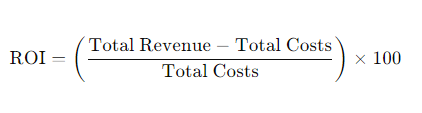
Formula to Calculate ROI in Digital Marketing

ROI in Digital Marketing

FAQ

What is ROI in digital marketing?

ROI in digital marketing refers to the return on investment achieved from marketing activities. It measures the effectiveness of campaigns in generating revenue relative to the cost incurred.

How do I calculate ROI in digital marketing?

To calculate ROI, use the formula: ROI = (Revenue – Cost) / Cost * 100. This provides a percentage that reflects the return generated from your marketing investment.

Why is data analytics crucial for improving ROI?

Data analytics provides insights into campaign performance and user behavior, allowing you to make informed decisions and optimize strategies. This leads to more efficient use of resources and improved ROI.

What role does content marketing play in ROI?

Content marketing attracts and engages your target audience, driving organic traffic and generating leads. High-quality content builds trust and authority, contributing to higher conversion rates and improved ROI.

How often should I review my digital marketing strategies?

Regular reviews are essential, ideally on a monthly or quarterly basis. This helps you stay aligned with performance metrics, market trends, and competitor activities, ensuring your strategies remain effective and ROI is maximized.

Conclusion

Improving your ROI in Digital Marketing requires a strategic approach and ongoing optimization. By setting clear goals, leveraging data analytics, optimizing your website, and implementing targeted strategies, you can enhance your marketing efforts and achieve better results. Regularly reviewing and adjusting your strategies ensures that your campaigns remain effective and contribute positively to your ROI. Implement these ten strategies to maximize your investment and drive sustainable growth for your business.

if you need any help with your ROI ? then contact us