


HanuiT Solutions

Drive Quality Traffic-HanuiT solutions

How to Use Paid Ads to Drive Quality Traffic to Your Website

How to Use Paid Ads to Drive Quality Traffic to Your Website

Driving quality traffic to your website is essential for business growth. One of the most effective ways to achieve this is by leveraging paid advertising. With the right strategy, paid ads can bring targeted visitors who will likely engage with your content and convert it into customers. In this article, we’ll dive into how to use paid ads to drive quality traffic to your website, explore key platforms, and provide practical tips to maximize your return on investment (ROI).

Why Paid Ads Matter for Traffic Generation

Before discussing the specifics of using paid ads to drive quality traffic to your website, let’s first understand why they are effective.

Paid ads provide immediate visibility, placing your brand in front of potential customers exactly when they are searching for products or services like yours. Unlike organic search strategies, which can take months to build momentum, paid ads allow you to drive traffic quickly. When done correctly, these ads target your ideal audience, ensuring that you attract visitors who are genuinely interested in what you offer.

Choosing the Right Paid Ad Platform

Different advertising platforms cater to different types of audiences. Choosing the right platform is crucial for ensuring that your paid ads reach the right people. Below are some of the top platforms to consider:

1. Google Ads

Google Ads is one of the most powerful tools for driving quality traffic. By targeting specific keywords related to your business, you can ensure that your ads appear when potential customers are searching for relevant products or services. Google Ads offers various formats, including text, display, shopping, and video ads, allowing for flexibility depending on your marketing goals.

Tip: Focus on long-tail keywords for more targeted traffic. These keywords are less competitive but more specific, ensuring you attract visitors with a higher chance of conversion.

2. Facebook and Instagram Ads

Social media platforms like Facebook and Instagram offer incredible targeting options based on demographics, interests, and behavior. With these tools, you can display ads to users who fit your customer profile, making it easier to drive traffic that is more likely to engage with your website.

Tip: Use engaging visuals and concise copy. Since social media users tend to scroll quickly, catching their attention with appealing designs is key to improving click-through rates (CTR).

3. LinkedIn Ads

For B2B businesses, LinkedIn Ads can be an excellent way to reach professionals and decision-makers. LinkedIn offers precise targeting based on job titles, industries, and company size, making it ideal for businesses looking to drive traffic from a professional audience.

Tip: Utilize LinkedIn’s InMail feature for direct communication with potential leads. Personalized ads or messages often result in higher engagement.

4. YouTube Ads

Video marketing continues to grow in popularity, and YouTube is the second-largest search engine in the world. If your target audience prefers video content, YouTube ads can be a highly effective way to drive quality traffic to your website.

Tip: Keep your video ads short and engaging. The first 5 seconds are crucial for capturing attention.

How to Set Up a Paid Ad Campaign

Once you’ve selected the right platform, the next step is setting up your campaign. Follow these steps for a successful ad campaign:

1. Define Your Goals

Identify what you want to achieve with your paid ads. Do you want to drive traffic to a product page, generate leads, or increase brand awareness? Defining your goals will help you structure your campaign and measure its success.

2. Target Your Audience

Using the targeting options available on your chosen platform, define your ideal audience based on factors like age, location, interests, or keywords. The more specific you are with your targeting, the better quality traffic you’ll drive to your website.

3. Choose the Right Ad Format

Different platforms offer different ad formats. For example, Google Ads allows for text and display ads, while Facebook offers carousel and video ads. Choose the format that best suits your goals and audience.

4. Create Compelling Ad Copy and Design

Your ad copy and design are what will ultimately attract clicks. Ensure your messaging is clear, highlights a benefit, and includes a strong call-to-action (CTA) that encourages users to visit your site. Use visuals that grab attention and are relevant to your product or service.

 Also read: The Power of Blogging: Why It’s Essential for Traffic Growth

5. Set Your Budget and Bidding Strategy

Decide how much you’re willing to spend on your ads and choose the right bidding strategy. Some platforms allow you to pay per click (PPC), while others charge based on impressions. Be sure to monitor your budget closely to ensure you’re not overspending.

Best Practices for Driving Quality Traffic with Paid Ads

Now that your campaign is set up, it’s important to follow some best practices to ensure your ads are driving quality traffic, not just clicks.

1. Use Retargeting

Retargeting ads are shown to users who have previously visited your website. This helps bring back visitors who may have shown interest but didn’t convert the first time. Retargeting is highly effective in driving quality traffic, as these users are already familiar with your brand.

2. A/B Test Your Ads

Test different versions of your ad copy, design, and targeting to see which performs better. A/B testing helps you optimize your ads for the best possible results, ensuring that you get the highest-quality traffic.

3. Optimize Landing Pages

Even the best ad won’t be effective if the landing page isn’t optimized. Make sure your landing page is relevant to the ad, loads quickly, and offers a clear CTA. A seamless experience from ad click to the landing page will increase the likelihood of conversion.

4. Monitor and Adjust Your Campaigns

Paid ad campaigns require constant monitoring to ensure they’re delivering results. Keep an eye on metrics like click-through rate (CTR), cost-per-click (CPC), and conversion rate. If you notice certain ads or targeting options aren’t performing well, make adjustments to improve results.

5. Focus on High-Intent Keywords

When running search ads, prioritize high-intent keywords. These are keywords that indicate a strong likelihood of the user being ready to purchase or take action. High-intent keywords may have lower search volumes, but they often drive more qualified traffic.

FAQ

How much should I budget for paid ads?

Your budget depends on your specific goals and the platform you’re using. Start small, test your campaigns, and scale up once you see what’s working. Keep in mind that each platform has different cost-per-click rates, so research average costs beforehand.

Which platform is best for driving traffic to my website?

The best platform depends on your audience and business goals. Google Ads works well for targeting users actively searching for products, while Facebook and Instagram ads are great for brand awareness and engagement.

How do I know if my paid ads are successful?

Success is measured through key metrics such as click-through rate (CTR), conversion rate, cost-per-click (CPC), and return on ad spend (ROAS). Monitor these metrics regularly and make adjustments as needed.

What is the difference between PPC and display ads?

PPC (pay-per-click) ads charge you when a user clicks on your ad, while display ads are typically billed per impression (cost-per-mille, or CPM). PPC ads are often used for search engine advertising, while display ads appear on websites across the internet.

Can paid ads to improve SEO?

While paid ads don’t directly impact your organic rankings, they can drive more traffic to your website, increase brand awareness, and lead to higher engagement. This can indirectly boost your SEO by increasing visibility and clicks.

Conclusion

Understanding how to use paid ads to drive quality traffic to your website is crucial for digital marketing success. By selecting the right platforms, targeting the right audience, and continuously optimizing your campaigns, you can attract high-quality visitors who are more likely to convert. Paid ads offer an efficient, scalable way to drive traffic, build brand awareness, and boost your business growth.
if you need any help with Digital Marketing then contact us
Boost Sales

How to Boost Sales in Your E-Commerce Store: 10 Proven Tips

How to Boost Sales in Your E-Commerce Store: 10 Proven Tips

In today’s competitive e-commerce landscape, finding effective ways to boost sales is essential for any online business. With millions of online stores vying for consumer attention, deploying the right strategies can set your store apart and drive significant revenue growth. Here are ten proven tips to help you boost sales and enhance your e-commerce performance.

1. Optimize Your Website for Conversions

To boost sales, your website must be optimized for conversions. This means ensuring that every element of your site is designed to encourage visitors to complete a purchase. Key aspects to focus on include:

Fast Loading Times: Slow websites can deter customers and lead to abandoned carts. Aim for loading times under 3 seconds to keep visitors engaged.

Responsive Design: Your site should provide a seamless experience on all devices, including desktops, tablets, and smartphones. A mobile-friendly site is crucial as more consumers shop on their phones.

Clear Navigation: Ensure your site is easy to navigate with a clear menu structure and intuitive search functionality. This will help visitors find products quickly and reduce frustration.

2. Implement Effective SEO Strategies

Search Engine Optimization (SEO) is pivotal in boosting sales by improving your store’s visibility in search engine results. Focus on the following SEO practices:

Keyword Research: Identify and target relevant keywords, including “boost sales,” in your product descriptions, meta titles, and headers. This helps search engines understand your content and rank it higher.

Content Creation: Regularly publish valuable content such as blog posts, buying guides, and how-to articles that address customer needs and incorporate targeted keywords.

On-Page SEO: Optimize individual product pages with well-written descriptions, high-quality images, and appropriate meta tags to improve their search engine ranking.

3. Leverage Social Proof

Social proof can significantly boost sales by building trust and credibility with potential customers. Here’s how to leverage it effectively:

Customer Reviews: Display customer reviews and ratings prominently on your product pages. Positive reviews can reassure new customers about the quality of your products.

Testimonials: Feature testimonials from satisfied customers on your homepage or landing pages to showcase real experiences with your brand.

Social Media Mentions: Highlight positive mentions or endorsements from influencers and satisfied customers on your social media channels.

 Also read: How Can Hanu IT Solutions Help Solar Firms Stand Out Online?

4. Offer Discounts and Promotions

Discounts and promotions are powerful tools to drive sales and attract new customers. Consider implementing the following strategies:

Limited-Time Offers: Create a sense of urgency with time-limited discounts or flash sales. Use countdown timers to visually reinforce the urgency.

Bundle Deals: Offer discounts on product bundles or multi-buy options to increase the average order value and encourage customers to purchase more.

Free Shipping: Provide free shipping on orders over a certain amount or for first-time customers to incentivize purchases.

5. Utilize Email Marketing

Email marketing remains one of the most effective ways to boost sales and maintain customer engagement. Here’s how to make the most of it:

Build a Subscriber List: Collect email addresses through sign-up forms, pop-ups, and at checkout. Offer incentives like discounts or exclusive content to encourage sign-ups.

Segment Your Audience: Divide your email list into segments based on factors such as purchase history, browsing behavior, or location. This allows you to send personalized and relevant content.

Craft Targeted Campaigns: Send targeted email campaigns featuring product recommendations, special offers, and updates tailored to each segment. Use automation to trigger emails based on customer actions, such as cart abandonment or previous purchases.

6. Enhance Customer Experience

A positive customer experience is crucial for boosting sales and fostering brand loyalty. Focus on the following areas:

Customer Support: Offer responsive customer support through live chat, email, or phone. Quick and helpful responses to inquiries and issues can lead to higher customer satisfaction and repeat business.

Easy Returns: Implement a hassle-free return policy that makes it easy for customers to return or exchange products. This can reduce the perceived risk of purchasing and encourage more sales.

User-Friendly Checkout: Simplify the checkout process by minimizing the number of steps required and offering multiple payment options. Ensure that the checkout page is secure and easy to navigate.

7. Optimize for Mobile

With mobile commerce on the rise, optimizing your e-commerce store for mobile devices is essential. Here’s how to ensure a smooth mobile experience:

Responsive Design: Ensure your site adjusts seamlessly to different screen sizes and resolutions. A responsive design enhances usability and can lead to higher conversion rates.

Mobile-Friendly Navigation: Implement touch-friendly navigation elements and ensure that buttons and links are easily clickable on mobile devices.

Streamlined Checkout: Optimize the mobile checkout process by minimizing form fields and offering mobile payment options like Apple Pay or Google Wallet.

8. Implement Upselling and Cross-Selling

Upselling and cross-selling strategies can effectively boost sales by encouraging customers to purchase additional or higher-value items. Here’s how to implement these tactics:

Product Recommendations: Use algorithms to recommend related products or complementary items based on customers’ browsing and purchase history. Display these recommendations on product pages and during checkout.

Bundled Offers: Create bundle deals that offer a discount when customers purchase related products together. This can increase the average order value and enhance the customer’s overall experience.

Upgrade Options: Offer premium versions of products with additional features or benefits. Highlight the advantages of upgrading to encourage customers to choose higher-value options.

9. Analyze and Use Data Insights

Data analytics provide valuable insights into customer behavior and sales performance, enabling you to make informed decisions. Here’s how to use data to boost sales:

Track Key Metrics: Monitor metrics such as conversion rates, average order value, and customer lifetime value to understand how well your strategies are performing.

Identify Trends: Use data to identify trends in customer behavior, such as popular products, peak shopping times, and purchasing patterns. Adjust your marketing and sales strategies accordingly.

A/B Testing: Conduct A/B tests on various elements of your website, such as product pages, headlines, or call-to-action buttons, to determine what drives better performance and optimize your site based on the results.

10. Invest in Paid Advertising

Paid advertising can drive targeted traffic to your e-commerce store and boost sales. Here’s how to maximize the impact of your ad campaigns:

Targeted Ads: Use platforms like Google Ads, Facebook Ads, and Instagram Ads to reach specific audiences based on demographics, interests, and online behavior. Create tailored ads that resonate with your target customers.

Retargeting Campaigns: Implement retargeting campaigns to reach visitors who have previously interacted with your site but did not complete a purchase. Remind them of your products and offer incentives to return.

Monitor and Optimize: Regularly monitor the performance of your ads and adjust your campaigns based on metrics such as click-through rates, conversion rates, and ROI. Optimize your ad spend to focus on the most effective channels and strategies.

FAQ

What are some effective strategies to boost sales in an e-commerce store?

Effective strategies to boost sales include optimizing your website for conversions, implementing SEO strategies, leveraging social proof, offering discounts and promotions, utilizing email marketing, enhancing customer experience, optimizing for mobile, implementing upselling and cross-selling, analyzing data insights, and investing in paid advertising.

How does SEO help in boosting sales?

SEO boosts sales by improving your store’s visibility in search engine results, driving organic traffic to your site. By targeting relevant keywords and creating valuable content, you increase your chances of attracting potential customers and converting them into buyers.

Why is social proof important for increasing sales?

Social proof, such as customer reviews and testimonials, builds trust and credibility with potential customers. Positive feedback and endorsements can reassure new visitors about the quality of your products and encourage them to make a purchase.

How can email marketing contribute to boosting sales?

Email marketing boosts sales by keeping your brand top-of-mind and delivering personalized offers, recommendations, and updates directly to subscribers. Effective email campaigns drive repeat purchases, increase customer engagement, and encourage conversions.

What role does mobile optimization play in boosting sales?

Mobile optimization ensures that your e-commerce store provides a seamless experience on mobile devices. A mobile-friendly site improves usability, reduces friction during the checkout process, and can lead to increased conversions and sales as more consumers shop on their phones.

Conclusion

Boosting sales in your e-commerce store is a multifaceted challenge that requires a strategic blend of innovation, customer insight, and operational excellence. The ten proven tips outlined in this article provide a comprehensive roadmap for enhancing your sales performance and achieving long-term success in the competitive online marketplace.

if you need any help with your product Sales Page? then contact us 
Sales- HanuiT solutions

Unlock Sales Potential Tips Boost Product Conversion Rates

Unlock Sales Potential: Tips to Boost Product Conversion Rates

In the competitive world of e-commerce and digital marketing, unlocking your sales potential is crucial. One of the most effective ways to achieve this is by focusing on boosting your product conversion rates. A higher conversion rate means more of your site visitors are taking the desired actions, such as making a purchase or signing up for a service. In this article, we’ll delve into actionable strategies to enhance your product conversion rates, with a strong focus on the keyword “product.”

Understanding Product Conversion Rates

Product conversion rates measure the percentage of visitors who complete a desired action on your product pages. This could be making a purchase, signing up for a trial, or any other action that signifies interest in your product. Improving this rate can lead to increased sales and better ROI for your marketing efforts.

1. Optimize Product Descriptions

Why It Matters: Product descriptions play a pivotal role in influencing purchase decisions. They provide potential customers with the information they need to make informed choices.

How to Optimize:

Be Clear and Concise: Avoid jargon and ensure your descriptions are easy to understand.

Highlight Benefits: Focus on how your product solves a problem or improves the customer’s life.

Use Persuasive Language: Incorporate compelling language that encourages action, such as “limited-time offer” or “exclusive.”

2. Use High-Quality Images and Videos

Why It Matters: Visual content can significantly impact conversion rates. High-quality images and videos help potential buyers visualize the product, increasing their confidence in making a purchase.

How to Optimize:

High-Resolution Images: Ensure images are clear and professionally taken.

Product Videos: Create videos that demonstrate the product in use, showcasing its features and benefits.

Multiple Angles: Provide images from different angles to give a complete view of the product.

 Also read: From Clicks to Customers: Boosting Product Sales Rates

3. Implement Clear Call-to-Actions (CTAs)

Why It Matters: A clear CTA guides visitors on what to do next, reducing confusion and increasing the likelihood of conversion.

How to Optimize:

Visibility: Place CTAs in prominent positions on the page.

Action-Oriented Text: Use verbs that encourage action, like “Buy Now,” “Shop Today,” or “Get Started.”

Contrast: Ensure CTA buttons stand out from the rest of the page with contrasting colors.

4. Streamline the Checkout Process

Why It Matters: A complicated or lengthy checkout process can lead to cart abandonment. Simplifying it can reduce friction and increase conversions.

How to Optimize:

Minimize Steps: Reduce the number of steps needed to complete a purchase.

Offer Multiple Payment Options: Provide various payment methods to cater to different preferences.

Auto-Fill Features: Implement auto-fill for address and payment details to speed up the process.

5. Utilize Social Proof

Why It Matters: Social proof, such as reviews and testimonials, can build trust and credibility, encouraging more visitors to convert.

How to Optimize:

Customer Reviews: Display reviews prominently on product pages. Ensure they are authentic and relevant.

Testimonials: Include testimonials from satisfied customers that highlight the product’s benefits.

Ratings: Use star ratings or other visual indicators of customer satisfaction.

6. Offer Limited-Time Promotions and Discounts

Why It Matters: Time-sensitive promotions can create a sense of urgency, prompting visitors to act quickly and complete their purchases.

How to Optimize:

Clear Messaging: Communicate the details of the promotion or discount.

Countdown Timers: Use countdown timers to visually show the time remaining for a deal.

Exclusive Offers: Provide special discounts or offers to incentivize purchases.

7. Optimize for Mobile

Why It Matters: With an increasing number of consumers shopping on mobile devices, ensuring your site is mobile-friendly is essential for maximizing conversions.

How to Optimize:

Responsive Design: Ensure your site adjusts to different screen sizes and devices.

Fast Loading Times: Optimize images and scripts to reduce load times on mobile.

Easy Navigation: Make it easy for users to navigate and complete purchases on their mobile devices.

8. A/B Testing

Why It Matters: A/B testing allows you to compare different versions of your product pages to determine which elements perform best.

How to Optimize:

Test Variations: Experiment with different headlines, images, CTAs, and layouts.

Analyze Results: Use analytics to measure the performance of each variation.

Implement Findings: Apply the winning elements to your product pages for improved conversions.

9. Enhance Product Search Functionality

Why It Matters: A robust search function can help visitors quickly find the products they’re interested in, leading to higher conversion rates.

How to Optimize:

Auto-Suggestions: Implement search suggestions to guide users to relevant products.

Filter Options: Provide filters to help users narrow down their search based on various criteria.

Search Analytics: Monitor search queries to identify and address any gaps in your product offerings.

10. Personalize the Shopping Experience

Why It Matters: Personalization can make visitors feel valued and understood, increasing their likelihood of converting.

How to Optimize:

Product Recommendations: Use algorithms to suggest products based on browsing history or previous purchases.

Dynamic Content: Customize content and offers based on user behavior and preferences.

Targeted Emails: Send personalized emails with relevant product recommendations and promotions.

FAQ

What is a product conversion rate?

A product conversion rate is the percentage of visitors who take a desired action on a product page, such as making a purchase. It measures how effectively your product pages turn visitors into customers.

How can I improve my product page descriptions?

To improve product page descriptions, be clear and concise, focus on the benefits of the product, and use persuasive language that encourages action. Highlight unique selling points and ensure your descriptions are easy to understand.

Why is social proof important for boosting product conversions?

Social proof, such as customer reviews and testimonials, builds trust and credibility, which can influence potential buyers’ decisions. It shows that others have had positive experiences with your product, increasing the likelihood of conversion.

How can A/B testing help improve product conversion rates?

A/B testing allows you to compare different versions of your product pages to identify which elements are most effective in driving conversions. By testing variations and analyzing results, you can implement the best-performing elements to optimize your pages.

What role does mobile optimization play in product conversions?

Mobile optimization is crucial as more consumers shop on mobile devices. A mobile-friendly site with fast loading times and easy navigation ensures a seamless shopping experience, which can significantly improve product conversion rates.

How can limited-time promotions affect product conversion rates?

Limited-time promotions create a sense of urgency, prompting visitors to act quickly to take advantage of the offer. This urgency can lead to higher conversion rates as customers are more likely to complete their purchase before the promotion ends.

What are some effective ways to personalize the shopping experience?

Effective personalization strategies include offering product recommendations based on user behavior, customizing content and offers to match user preferences, and sending targeted emails with relevant promotions and products.

Conclusion

Unlocking your sales potential involves a strategic approach to boosting product conversion rates. By optimizing product descriptions, utilizing high-quality visuals, implementing clear CTAs, and enhancing the overall shopping experience, you can significantly improve your conversion rates. Additionally, leveraging social proof, offering promotions, and personalizing the shopping experience can further drive conversions. Focus on these strategies to maximize your sales potential and achieve greater success in the competitive e-commerce landscape.

if you need any help with your product Sales Page? then contact us 
ROI in Digital Marketing- HanuiT solutions

10 Strategies to Improve Your ROI in Digital Marketing

10 Strategies to Improve Your ROI in Digital Marketing

In the competitive world of ROI in Digital Marketing, optimizing your return on investment (ROI) is essential for maximizing the impact of your marketing efforts and achieving sustainable growth. As businesses increasingly rely on digital channels to reach and engage their target audiences, understanding how to enhance ROI becomes crucial. By adopting effective strategies, you can improve the efficiency of your marketing campaigns, drive better results, and ensure that your investments yield significant returns.

Here are ten actionable strategies to help you boost your ROI in digital marketing.

1. Define Clear Goals

Establishing clear, measurable goals is the foundation of any successful digital marketing strategy.

Start by setting specific objectives that align with your overall business goals. Whether you want to increase brand awareness, drive website traffic, or boost sales, having well-defined goals helps in creating targeted campaigns and measuring success effectively. This clarity enables you to focus your efforts and resources on activities that deliver the highest ROI.

2. Leverage Data Analytics

Data analytics is a powerful tool for optimizing your marketing efforts and improving ROI.

Utilize analytics tools like Google Analytics and social media insights to monitor campaign performance and user behavior. Analyzing this data helps you understand which strategies are effective and which need adjustment. By making data-driven decisions, you can allocate your budget more efficiently and enhance your ROI in Digital Marketing.

3. Optimize Your Website for Conversions

Your website plays a crucial role in converting visitors into customers.

Ensure your website is designed to maximize conversions by improving user experience, optimizing page load speeds, and incorporating clear calls-to-action (CTAs). A well-optimized website enhances the user journey and increases the likelihood of achieving your digital marketing goals, thereby improving your ROI.

4. Implement Targeted Advertising

Targeted advertising allows you to reach your ideal audience more effectively.

Invest in targeted ads such as pay-per-click (PPC) and social media ads to focus on specific demographics, interests, and behaviors. By targeting ads to users who are more likely to be interested in your products or services, you can improve ad performance and achieve a higher ROI in Digital Marketing.

5. Embrace Content Marketing

High-quality content is essential for engaging your audience and driving traffic.

Develop a robust content marketing strategy that includes blog posts, videos, infographics, and more. Providing valuable and relevant content helps in building trust with your audience and attracts organic traffic. Effective content marketing can lead to increased leads and conversions, boosting your ROI.

6. Utilize Email Marketing

Email marketing is a cost-effective method for nurturing leads and retaining customers.

Create segmented email lists to send personalized messages that cater to the interests of your audience. Implement automation to streamline follow-ups and nurture leads throughout their journey. A well-executed email marketing strategy can significantly enhance customer engagement and improve ROI in Digital Marketing.

7. Enhance Social Media Engagement

Social media platforms are powerful channels for building brand loyalty and driving traffic.

Actively engage with your audience by sharing valuable content, responding to comments, and participating in relevant conversations. Building a strong social media presence helps increase brand awareness and drive traffic to your website, which can lead to a higher ROI.

8. Conduct A/B Testing

A/B testing is an effective method for optimizing marketing materials.

Test different versions of your marketing assets, such as email subject lines, landing pages, and ad copy, to determine which performs better. By analyzing the results, you can refine your strategies and improve the effectiveness of your campaigns, leading to better ROI.

9. Focus on Customer Retention

Retaining existing customers can be more cost-effective than acquiring new ones.

Implement strategies like loyalty programs, personalized offers, and excellent customer service to enhance customer retention. Satisfied customers are more likely to make repeat purchases and recommend your business to others, improving your ROI.

Also read: 10 Proven Techniques to Boost Your Product Sales Conversion

10. Regularly Review and Adjust Strategies

Continuous improvement is key to maintaining a high ROI.

Regularly review your digital marketing strategies and performance metrics. Stay updated with market trends and competitor activities to ensure your strategies are effective. Making timely adjustments based on performance data helps optimize your ROI in Digital Marketing.

What is ROI in Digital Marketing

ROI in Digital Marketing stands for “Return on Investment” and measures the effectiveness and profitability of digital marketing efforts. It quantifies the financial return generated from digital marketing activities relative to the cost incurred. In essence, ROI in Digital Marketing evaluates how well your marketing investments are performing in terms of revenue generation, helping businesses determine the value and efficiency of their marketing strategies.

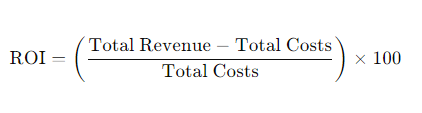
Formula to Calculate ROI in Digital Marketing

ROI in Digital Marketing

FAQ

What is ROI in digital marketing?

ROI in digital marketing refers to the return on investment achieved from marketing activities. It measures the effectiveness of campaigns in generating revenue relative to the cost incurred.

How do I calculate ROI in digital marketing?

To calculate ROI, use the formula: ROI = (Revenue – Cost) / Cost * 100. This provides a percentage that reflects the return generated from your marketing investment.

Why is data analytics crucial for improving ROI?

Data analytics provides insights into campaign performance and user behavior, allowing you to make informed decisions and optimize strategies. This leads to more efficient use of resources and improved ROI.

What role does content marketing play in ROI?

Content marketing attracts and engages your target audience, driving organic traffic and generating leads. High-quality content builds trust and authority, contributing to higher conversion rates and improved ROI.

How often should I review my digital marketing strategies?

Regular reviews are essential, ideally on a monthly or quarterly basis. This helps you stay aligned with performance metrics, market trends, and competitor activities, ensuring your strategies remain effective and ROI is maximized.

Conclusion

Improving your ROI in Digital Marketing requires a strategic approach and ongoing optimization. By setting clear goals, leveraging data analytics, optimizing your website, and implementing targeted strategies, you can enhance your marketing efforts and achieve better results. Regularly reviewing and adjusting your strategies ensures that your campaigns remain effective and contribute positively to your ROI. Implement these ten strategies to maximize your investment and drive sustainable growth for your business.

if you need any help with your ROI ? then contact us